

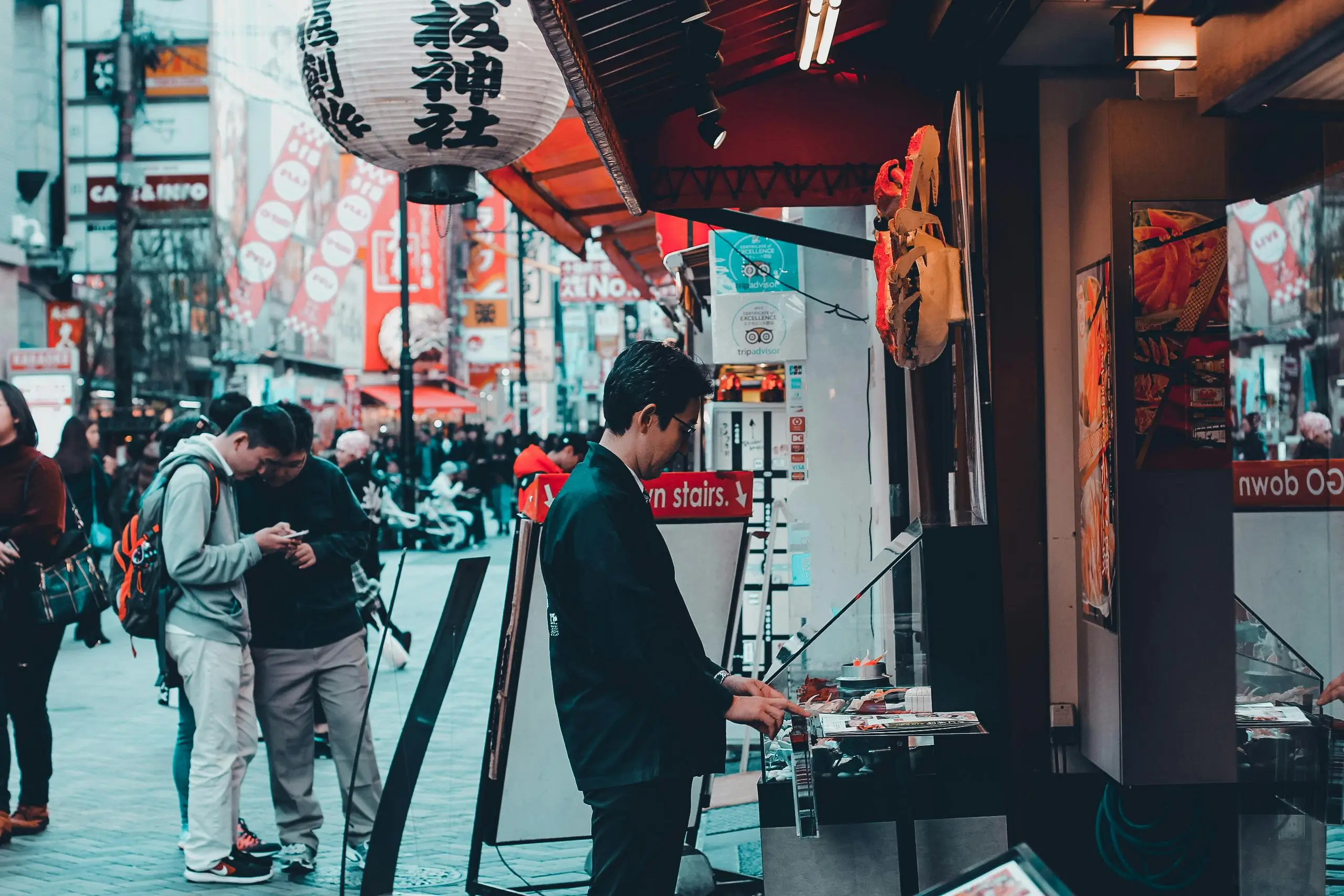
Traveling to Japan is an exciting adventure. It offers a rich culture, historical sites, and lively cities. But, knowing the Japan travel cost is key to a great trip.
When planning a Japan trip, it’s important to understand the costs. This includes flights, places to stay, food, and activities. All these add up to the cost of traveling to Japan.
By breaking down these costs, you can manage your Japan trip expenses better. This helps you make smart choices about your trip.
Key Takeaways
- Understanding Japan travel costs helps in planning a trip effectively.
- Breaking down expenses into flights, accommodations, food, and activities aids in budgeting.
- Researching and comparing prices can lead to significant savings.
- Considering the time of year and popular destinations can impact costs.
- Budgeting for Japan trip expenses in advance ensures a stress-free trip.
Planning Your Trip to Japan: Cost Overview
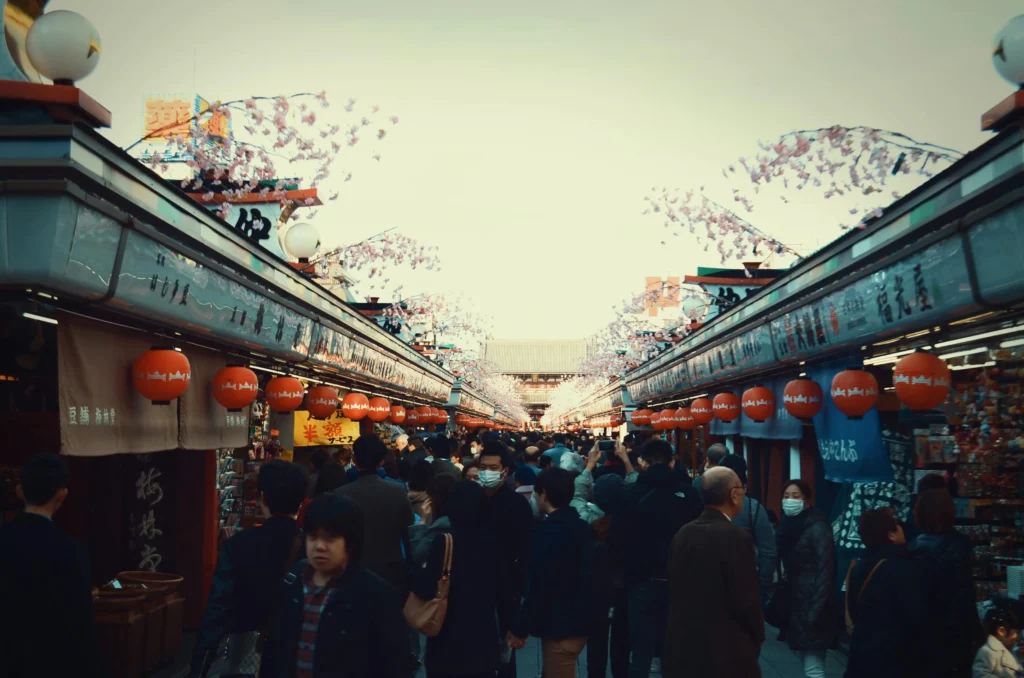
Japan is a place that promises unforgettable moments. But, knowing how much does it cost to travel to japan is key for a good trip plan. It’s important to understand what affects your spending.
Why Japan Is Worth Every Penny
Japan might seem pricey, but it’s worth it. It has traditional culture, modern tech, and stunning views. From Tokyo’s busy streets to Kyoto’s calm gardens, every moment is an investment.
The country’s focus on detail, rich history, and amazing food add to its charm.
Understanding the Cost Factors
Several factors can change how much your Japan trip costs. Knowing these can help you plan better.
Exchange Rates and Their Impact
The exchange rate between your money and the Japanese yen (JPY) is very important. A good rate can save you money, while a bad one can increase costs. Keep an eye on exchange rates and think about when to exchange money or use ATMs.
Urban vs. Rural Destinations
Where you go in Japan also affects your spending. Cities like Tokyo and Osaka are pricier because of higher costs for places to stay and eat. But, rural spots are cheaper, with lower prices for lodging and food.
Try to mix city life with quiet countryside to get the best of both worlds.
| Destination Type | Average Daily Cost | Key Expenses |
|---|---|---|
| Urban | $200-$300 | Accommodation, dining, transportation |
| Rural | $100-$200 | Lodging, meals, local activities |
Flight Costs: Getting to Japan from the United States
Flights from the U.S. to Japan can cost a lot, depending on when you go and how early you book. Knowing these factors can help you save money and plan better.
Average Airfare Prices by Season
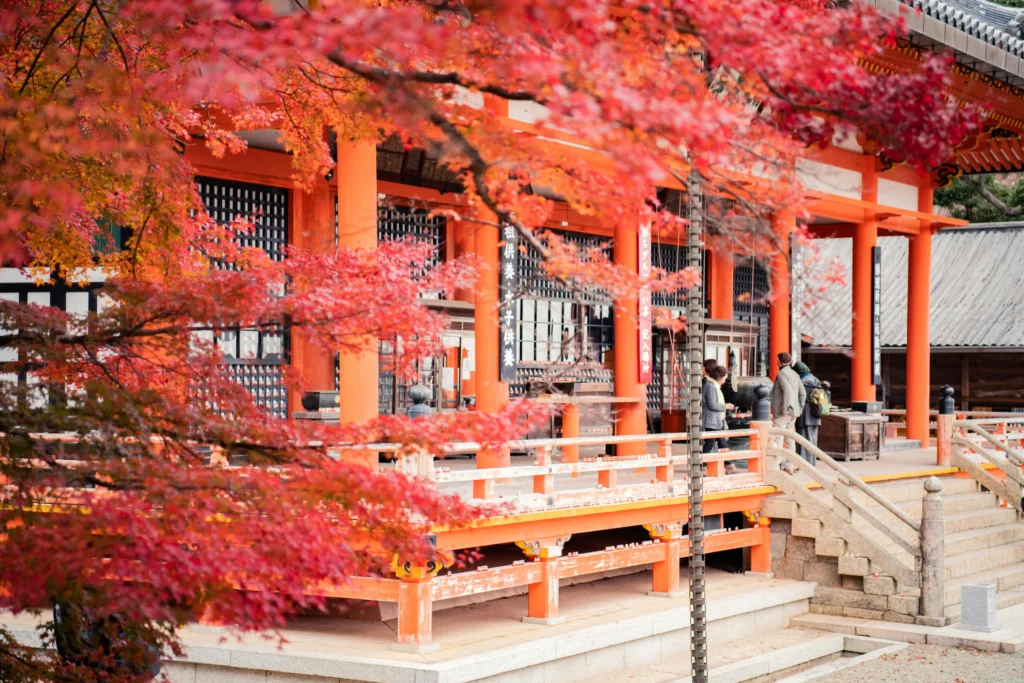
Airfare to Japan changes with the seasons. Prices go up during busy times like cherry blossom season and fall foliage. You might pay $600 to $1,200 for a round-trip ticket during these times.
But, prices drop during off-peak seasons. You could find tickets for $400 to $800 during these times.
| Season | Average Price Range |
|---|---|
| Peak Season (Cherry Blossom/Fall Foliage) | $600 – $1,200 |
| Off-Peak Season | $400 – $800 |
How to Find the Best Flight Deals
Looking for the best flight deals takes some effort. Here are some tips to help you find a good deal:
Best Booking Windows
Booking early can get you better rates. Aim to book 2-3 months before your trip for international flights.
Recommended Flight Search Tools
Use websites like Google Flights, Skyscanner, and Kayak to compare prices. Setting up price alerts can also help you catch price drops.
Budget vs. Premium Airlines
When flying to Japan, you can choose between budget and premium airlines. Budget airlines like AirAsia X and Jeju Air are cheaper but offer less. Premium airlines like Japan Airlines and ANA are more comfortable but cost more. Think about what matters most to you when making your choice.
Accommodation Expenses in Japan
Japan has many places to stay, from cheap to fancy. You can find something that fits your budget and style.
Hotels: From Budget to Luxury
Japan’s hotels cater to all travelers. You can pick from business hotels, boutique hotels, and luxury resorts.
Business Hotels ($80-150/night)
Business hotels are great for those who want comfort and value. Toyoko Inn and Nihonryokan offer clean, practical rooms.
Luxury Accommodations ($200+/night)
For a fancy stay, Japan’s top hotels offer amazing services. The Ritz-Carlton, Tokyo and Four Seasons Hotel Kyoto are top choices.

Traditional Ryokans and Their Costs
Staying in a ryokan is a special experience. Prices range from $100-$300 per night for basic ones. Luxury ones cost more.
Hostels and Budget Options
Hostels are good for saving money. Dorms start at $10-$30, and private rooms at $50-$100 per night.
Airbnb and Vacation Rentals
Airbnb has many choices, from shared rooms to whole apartments. Prices change based on location and features. A Tokyo one-bedroom apartment costs about $40-$80 per night.
| Accommodation Type | Price Range (per night) |
|---|---|
| Business Hotels | $80-$150 |
| Luxury Hotels | $200+ |
| Traditional Ryokans | $100-$300 |
| Hostels (Dorms) | $10-$30 |
| Airbnb (1-bedroom) | $40-$80 |
In conclusion, Japan has many places to stay. Whether you’re on a tight budget or looking for luxury, you’ll find something perfect.
Transportation Costs Within Japan
Planning your trip to Japan means understanding transportation costs. Japan has a vast network of trains, buses, taxis, and rental cars. Each option has its own price tag.
Japan Rail Pass: Is It Worth It?
The Japan Rail Pass is a favorite among travelers. It gives you unlimited access to JR trains, buses, and ferries. But is it worth the money? The pass comes in three durations: 7-day, 14-day, and 21-day.
7-Day, 14-Day, and 21-Day Pass Options
The 7-day pass costs about $288. The 14-day pass is around $456, and the 21-day pass is $630. If you travel a lot, it could save you money.
Regional Rail Passes
For local trips, regional rail passes are a good choice. They cover areas like Kansai or Hokkaido. These passes are cheaper for shorter trips.
Local Transportation Expenses
Local travel in Japan includes subways, buses, and streetcars. A single ride costs $2 to $3. But, using prepaid IC cards like Suica or Pasmo makes travel easier.
Taxi and Rideshare Costs
Taxis in Japan are pricey, starting at $6. Rideshare services are also available but less common than in other countries.
Renting a Car in Japan
Renting a car is great for exploring rural Japan. Prices depend on the vehicle and how long you rent it. Expect to pay $40-$100 per day.
In summary, Japan’s transportation costs vary based on your travel plans. You can choose from the Japan Rail Pass, local transport, taxis, rideshares, or car rentals. Pick what suits your budget and travel style.
Food and Dining Expenses
Exploring Japan’s food scene is a big part of any trip. You’ll find many dining options for every budget. From sushi and ramen to modern dishes, Japan’s food is both diverse and delicious.
Affordable Dining Options
Eating well in Japan doesn’t have to be expensive. You can find tasty meals at good prices.
Ramen, Udon, and Soba Shops
A bowl of ramen, udon, or soba noodles costs ¥500 to ¥1,000 (about $4 to $9 USD). These are great, affordable meals.
Conveyor Belt Sushi Prices
Kaiten-zushi, or conveyor belt sushi, is also cheap. Plates cost ¥100 to ¥500 (around $1 to $4.50 USD).
Mid-Range Restaurant Costs
Mid-range restaurants offer a variety of cuisines and prices. The cost varies based on the type and location.
A meal at a mid-range restaurant can cost ¥1,500 to ¥3,500 (about $14 to $32 USD) per person.
High-End and Michelin-Star Experiences
For a fancy meal, Japan has many Michelin-starred restaurants. A meal can cost over ¥20,000 (about $180 USD) per person.
Street Food and Convenience Store Meals
Street food and convenience store meals are cheap and quick. You can find onigiri (rice balls) and sandwiches for ¥200 to ¥500 (about $2 to $5 USD).

| Dining Option | Average Cost (¥) | Average Cost (USD) |
|---|---|---|
| Ramen/Udon/Soba | 500-1,000 | $4-$9 |
| Conveyor Belt Sushi | 100-500 per plate | $1-$4.50 per plate |
| Mid-Range Restaurant | 1,500-3,500 | $14-$32 |
| High-End/Michelin-Star | 20,000+ | $180+ |
| Street Food/Convenience Store | 200-500 | $2-$5 |
Sightseeing and Attraction Costs
Exploring Japan’s cities and landmarks is a must. But knowing the costs is key for a stress-free trip. Japan offers rich culture and modern attractions for all interests and budgets.
Major Tourist Attractions and Entry Fees
Japan’s top attractions have different entry fees. Some top sites include:
- Tokyo Attractions: Tokyo Tower, TeamLab Borderless, and the Meiji Shrine are must-sees. Entry fees range from ¥500 to ¥2,000.
- Kyoto Temples and Shrines: Famous spots like Fushimi Inari Taisha and Kiyomizu-dera Temple have entry fees from ¥500 to ¥1,000.
Tokyo has many attractions. For example, Tokyo Skytree costs around ¥2,000. The Ghibli Museum is ¥1,000. Many temples and gardens are free or cheap.
Kyoto Temples and Shrines
Kyoto is full of historical temples and shrines. While many are low-cost, some like Kinkaku-ji Temple charge ¥500. Visiting when it’s less busy can make it better.
Museum and Cultural Site Prices
Museums and cultural sites in Japan cost between ¥500 to ¥1,500. The Tokyo National Museum and the Ghibli Museum are notable. The Ghibli Museum is a hit with anime fans.
Free and Low-Cost Attractions
Japan has many free or low-cost attractions. You can visit local parks, explore markets, and see Japan’s natural beauty without spending much. Some temples and shrines are free, and many festivals are open to everyone for free.
By mixing visits to major attractions with free and low-cost sites, you can have a rich experience in Japan without breaking the bank.
Entertainment and Nightlife Expenses
Japan’s entertainment scene is vibrant and varied. It offers everything from high-tech karaoke rooms to traditional theater performances. Whether you’re into cutting-edge nightlife or cultural heritage, Japan has it all.
Karaoke, Arcades, and Gaming
Karaoke is a favorite pastime in Japan. You can find many places with private rooms and the latest technology. Prices range from ¥1,000 to ¥3,000 per person for a few hours, depending on the place and time.
Arcades and gaming centers are also popular, mainly among the young. Prices vary based on the games and activities you choose.
Bars and Izakaya Costs
Izakayas, or Japanese gastropubs, are key to the nightlife. They offer a wide range of drinks and snacks in a lively setting. On average, you might spend ¥2,000 to ¥5,000 per person, including drinks and snacks.
Bars in major cities like Tokyo and Osaka vary from casual to upscale. Prices adjust based on the venue.
Shows and Cultural Performances
Japan is famous for its rich cultural heritage. Traditional theater performances like Kabuki and Noh are highlights. Ticket prices range from ¥5,000 to over ¥20,000 for premium seats.
Robot Restaurant and Similar Shows
The Robot Restaurant in Tokyo is a unique and bizarre experience. It’s known for its wild performances. Tickets cost around ¥8,000, but it’s an experience you won’t forget.
Traditional Theater (Kabuki, Noh)
For those interested in traditional Japanese theater, Kabuki and Noh performances are a must. They offer a glimpse into Japan’s cultural past. Ticket prices vary, but expect to pay at least ¥5,000 for a good seat.
Shopping Expenses and Souvenirs
Japan offers a wide range of shopping experiences. You can find unique souvenirs or enjoy some retail therapy. There’s something for everyone.
Traditional Crafts and Gifts
Japan is known for its traditional crafts. You can find pottery, lacquerware, and washi paper products. These items make great souvenirs, with prices from a few dollars to hundreds of dollars.
Some popular items include:
- Handmade pottery from Mashiko and Shigaraki
- Lacquerware boxes and trays
- Washi paper products, like notebooks and cards
Electronics and Manga
Japan is a tech lover’s dream and a paradise for fans of Japanese pop culture. Stores like Bic Camera and Yodobashi Camera have the latest gadgets. Manga and anime shops are filled with merchandise and collectibles.
Prices vary, from affordable manga volumes to expensive electronics.
Fashion and Beauty Products
Japan is also famous for its fashion and beauty products. You can find high-end designer brands and unique, local cosmetics. Some popular items include:
- Skincare products from Shiseido and SK-II
- Fashion items from Harajuku and Shibuya
- Traditional Japanese fragrances and perfumes
Shopping in Japan can be a big part of your travel expenses. But with some planning, you can find great deals and unique souvenirs to take home.
How Much Does It Cost to Travel to Japan: Total Breakdown
Planning a trip to Japan means thinking about all the costs. The cost can change a lot based on how you travel, how long you stay, and what you like. It’s key to know these costs for a great trip.
Budget Traveler (7-14 Days)
Japan can be affordable for budget travelers. With $100-150 a day, you can have a good time. Here’s what you can get:
$100-150 Daily Budget Breakdown
- Accommodation: $30-50 for a hostel or budget hotel each night
- Food: $10-20 for meals at convenience stores or street food
- Transportation: $2-5 for a ride or $10-20 for a prepaid IC card
- Attractions: $5-10 for temples and gardens per person
By watching your spending, you can enjoy Japan’s culture without spending too much.
Mid-Range Traveler (7-14 Days)
Mid-range travelers spend about $200-300 a day. This lets you travel more comfortably and flexibly.
$200-300 Daily Budget Breakdown
- Accommodation: $80-150 for a mid-range hotel each night
- Food: $20-50 for meals at mid-range restaurants
- Transportation: $10-20 for a Japan Rail Pass or local transport
- Attractions: $10-20 per person for big attractions
With this budget, you can take it easy and see Japan’s cities and countryside.
Luxury Traveler (7-14 Days)
Luxury travelers spend $400 or more a day. This offers top comfort and special experiences.
$400+ Daily Budget Breakdown
- Accommodation: $200-500 for luxury hotels each night
- Food: $50-100 for meals at high-end restaurants
- Transportation: Private car services or luxury trains
- Attractions: Exclusive tours or private viewing experiences
For the ultimate experience, Japan has many luxury options worth the cost.
Seasonal Price Variations
Planning a budget-friendly trip to Japan means knowing about seasonal prices. The country’s tourism changes with the seasons, affecting costs and experiences.
Cherry Blossom Season (Peak Pricing)
Cherry blossom season, from late March to early April, is Japan’s busiest time. Prices for places to stay, like Tokyo and Kyoto, go up a lot. You might pay 2-3 times more than usual.
Fall Foliage Season
Autumn in Japan, or “koyo,” happens in November. It’s also a busy time, with prices for stays and tourist services higher than off-season. Places like Nikko and Kyoto get more visitors, making things pricier.
Off-Season Travel Savings
Traveling off-season can save you a lot of money. Winter, except for New Year, and the rainy season are good times to visit.
Winter Deals (Except New Year)
Winter, from December to February, except New Year, is cheaper. Hotels and ryokans offer discounts to draw visitors.
Rainy Season Discounts
The rainy season, in June and July, has lower prices. The weather might not be perfect, but you can find deals and avoid crowds.
Money-Saving Tips for Japan Travel
Traveling to Japan can be pricey, but smart planning can help you save. You can enjoy all Japan has to offer, from bustling cities to peaceful landscapes, without breaking the bank.
Discount Passes and Cards
Discount passes and cards are great for saving money in Japan. They cut down on what you spend on getting around and seeing sights.
Tokyo Subway Ticket
The Tokyo Subway Ticket lets you ride Tokyo’s subway lines all you want for a set time. It’s perfect for exploring the city.
Hakone Free Pass
The Hakone Free Pass offers travel perks and discounts on attractions in Hakone. It’s great for those visiting this beautiful area.
Tax-Free Shopping
Tourists in Japan can get tax-free shopping on certain items. This can save a lot, mainly on big-ticket items like electronics and luxury goods.
Timing Your Visit Strategically
Traveling during off-peak seasons can lower costs for places to stay and flights. Also, avoiding busy times like New Year (Oshogatsu) and Golden Week can save money.
Eating Like a Local
Eating at local spots, convenience stores, and street food stalls is a fun and affordable way to try Japan’s food. Look for places that locals love for real and cheap meals.
| Money-Saving Tip | Description | Potential Savings |
|---|---|---|
| Discount Passes | Use passes like the Japan Rail Pass or Tokyo Subway Ticket for cheaper travel. | Up to 50% on travel |
| Tax-Free Shopping | Get tax back on eligible buys. | Up to 10% on some items |
| Off-Peak Travel | Travel during less busy times. | Lower costs for places to stay and flights |
| Eating Locally | Eat at local places and try street food. | Up to 30% on food costs |
Currency Exchange and Payment Methods
To get around Japan’s money scene, knowing about currency exchange and payment methods is key. Japan mainly uses cash, but credit cards are becoming more common, mainly among the younger crowd.
Best Ways to Exchange Money
You can exchange money in Japan at airports, banks, and currency exchange shops. It’s smart to exchange some cash before you arrive to cover your first expenses. Using an ATM with a debit or credit card is also a convenient option. But, some places might charge high fees or give bad exchange rates.
Credit Card Acceptance
Credit cards are getting more accepted in Japan, but cash is king. Big credit cards like Visa, Mastercard, and American Express work at many places. But, smaller shops and old-school restaurants might want cash. It’s wise to carry both cash and credit cards.
ATM Access and Fees
ATMs are easy to find in Japan, like at 7-Eleven and post offices. These ATMs often accept international cards and are a convenient way to withdraw cash.
7-Eleven and Post Office ATMs
7-Eleven ATMs and post office ATMs are great for travelers. They take many cards and are found in lots of places.
| Location | Accepts International Cards | Fees |
|---|---|---|
| 7-Eleven ATMs | Yes | Variable |
| Post Office ATMs | Yes | Variable |
| Bank ATMs | Yes | Variable |
Hidden Costs to Consider
When planning a trip to Japan, think about more than just the obvious costs. Hidden expenses can quickly add up. Knowing these costs helps you budget better and avoid surprises during your trip.
Travel Insurance
Travel insurance is key when visiting Japan. It covers medical emergencies, trip cancellations, and lost luggage. The cost varies by provider and coverage level. On average, expect to pay $50-$100 per person for a week. It’s a small price for peace of mind.
SIM Cards and Pocket WiFi
Staying connected is important. You can buy a SIM card or rent a pocket WiFi. SIM cards cost $20-$50, while pocket WiFi is $10-$20 per day. Choose based on your data needs.
Baggage Fees and Shipping Costs
Shopping in Japan? Watch out for baggage fees and shipping costs. Some airlines charge extra for checked bags. Shipping purchases home can also add up.
Conclusion: Is Japan Worth the Cost?
Traveling to Japan can change your life, but is it worth the money? Looking at flights, places to stay, food, and sights, Japan can be pricey. Yet, its unique culture, rich history, and stunning views make it a trip worth taking.
When thinking about Japan’s cost, remember the value of the experiences you’ll have. Enjoying sushi at a traditional place or visiting Kyoto’s gardens are unforgettable. The real value of Japan isn’t just the money spent, but the memories and knowledge you gain.
In the end, Japan may cost a lot, but the benefits are huge. With some planning and budgeting, you can have a rewarding and enriching time in this amazing country.
FAQ
How much does a typical trip to Japan cost?
A trip to Japan can cost a lot, but it depends on how you travel. On average, a 7-14 day trip might cost between $1,500 to $3,000 per person. This price can change based on your travel style and exchange rates.
What is the best time to visit Japan in terms of cost?
Visiting Japan in the off-season (usually November to March, except New Year) can save you money. Prices for places to stay and tourist spots are lower during this time.
Are there any additional fees or costs I should be aware of when traveling to Japan?
Yes, there are extra costs to think about. These include travel insurance, SIM cards or pocket WiFi, baggage fees, and shipping for souvenirs.
How can I save money on transportation in Japan?
Buying a Japan Rail Pass can help you save money on long trips. Also, using local transport like subways and buses is cheaper than taxis.
What are some affordable dining options in Japan?
Japan has many cheap places to eat. You can try ramen and udon shops, conveyor belt sushi, and meals from convenience stores.
Can I use credit cards widely in Japan?
Major credit cards are accepted at many places, but cash is preferred in Japan. Some small shops or traditional restaurants might not take credit cards.
How can I exchange currency for Japanese yen?
You can exchange money at airports, banks, or currency exchange offices. Using ATMs with your debit or credit card is also a good option.
Are there any discounts or passes available for tourist attractions in Japan?
Yes, many attractions offer discounts or special passes. For example, the Tokyo Subway Ticket or Hakone Free Pass can help you save money.
What are some budget-friendly accommodation options in Japan?
Affordable places to stay include hostels, guesthouses, and budget hotels. You can also look into Airbnb or vacation rentals for longer stays.
Is Japan expensive for shopping?
Shopping in Japan can be pricey, but it depends on what you buy. High-end or brand-name items are expensive. But, you can find cheaper options at local markets or souvenir shops.
