

Planning a trip to Japan is an exhilarating experience. You might dream of Tokyo’s neon lights or Kyoto’s serene temples. Your journey starts with smart financial planning.
Many worry about the cost, but knowing how much does a 7 day japan trip cost is key. With research and planning, Japan is affordable for all travelers.

You don’t need a big bank account for sushi or bullet trains. By smart spending and using local tips, you can make a trip that fits your budget.
Key Takeaways
- Determine your total travel budget before booking flights or hotels.
- Use public transportation passes to save significantly on regional transit.
- Eat at local markets and convenience stores for delicious, affordable meals.
- Book accommodations in advance to secure the best possible rates.
- Focus on free cultural experiences like visiting public parks and shrines.
- Prioritize your spending on experiences that matter most to you.
Understanding the Baseline Costs for Your Japan Adventure
Starting with a solid budget is key to a stress-free trip to Japan. Before you plan your trip, set a daily budget that fits your travel style. This way, you can focus on the things you really want to do.
Remember to check the exchange rate between the US Dollar and the Japanese Yen. Changes in currency can affect how much you can buy. Staying informed about these changes can prevent surprises in cities like Tokyo or Osaka.

The cost of living in Japan depends on where you stay, eat, and travel. Knowing these costs early lets you adjust your spending during your trip. Smart planning helps you enjoy both luxury and affordable daily activities.
The table below gives a general idea of daily costs for a single traveler in Japan. These are typical daily averages.
| Travel Style | Daily Budget (USD) | Primary Focus |
|---|---|---|
| Budget Backpacker | $60 – $90 | Hostels and street food |
| Mid-Range Traveler | $120 – $180 | Business hotels and local cafes |
| Luxury Explorer | $250+ | Ryokans and fine dining |
These estimates are just a starting point for planning your trip. Always add a little extra for unexpected costs to keep your peace of mind. Taking these steps now will make your trip more enjoyable and organized.
Breaking Down How Much Does a 7 Day Japan Trip Cost
Many travelers wonder about the cost of a 7-day Japan trip before booking flights. It’s essential to plan your finances well to enjoy your trip without stress. By categorizing your expenses, you can manage your money better while exploring Japan.
Your main costs include airfare, lodging, meals, and transportation. Airfare changes a lot based on where you’re flying from and when. But, other daily costs are more stable. Prioritizing your spending helps you spend more on what you really want, like dining out or cultural tours.

We’ve broken down typical costs for a week-long trip. These estimates cover different travel styles, from budget-friendly to luxurious. Knowing these costs helps you decide where to save and where to splurge.
| Expense Category | Budget Traveler | Mid-Range Traveler | Luxury Traveler |
|---|---|---|---|
| Accommodation | $350 | $800 | $1,500+ |
| Food & Drink | $200 | $450 | $900+ |
| Local Transit | $100 | $200 | $400+ |
| Activities | $150 | $300 | $600+ |
Your budget depends on your preferences and travel goals. Flexibility is key when dealing with these costs. By looking at these figures, you can adjust your spending to fit your travel style and have a great time in Japan.
Budgeting for International and Domestic Transportation
Getting around Japan without stress is easy if you know the transit network. The country’s famous high-speed trains can be pricey if not planned right. Knowing your ticket options helps keep your travel costs down.
Most people mix long-distance rail passes with local cards for the best deal. This mix offers flexibility and saves money. Planning your trip before you go saves time and money too.
Navigating the Japan Rail Pass Options
The Japan Rail Pass is great for those visiting many cities. It lets you travel on most JR lines, including the Shinkansen. But, it might not be the cheapest for everyone.
Before buying a pass, compare it to buying individual tickets. If you only need a few long trips, separate tickets might be cheaper. Think about your travel plans and the pass’s benefits when deciding.
- How far you’ll travel between cities.
- How long you’ll be traveling, like 7 or 21 days.
- The areas you’ll visit, as some lines are private.

Local Transit Costs in Tokyo and Kyoto
In cities, you’ll use subways, buses, and local trains a lot. IC cards like Suica or Pasmo are the best way to pay. They make buying tickets easy and quick.
Just tap your card at the gate, and the fare is taken out. This works across most public transit in big cities. It’s a big help in busy stations, making travel easier.
| Travel Method | Best For | Cost Efficiency |
|---|---|---|
| JR Pass | Multi-city trips | High for long distances |
| IC Cards | Daily local transit | Very high convenience |
| Single Tickets | Short, infrequent trips | Low for frequent travelers |
Using an IC card makes daily travel easy. Most spend $5 to $15 a day in cities like Tokyo or Kyoto. Keep some cash for small buses or rural stations that don’t take digital payments.
Accommodation Strategies for Every Budget Level
Your choice of accommodation greatly affects your daily travel budget. It shapes your Japanese adventure. Finding the right balance between comfort and cost is key for a smooth trip. Knowing the different lodging categories helps you make choices that fit your budget.

Choosing Between Business Hotels and Capsule Hotels
Business hotels are great for those who value convenience and cleanliness. They offer compact, functional rooms at a lower price than luxury resorts. Plus, they’re near major train stations, perfect for city-hoppers.
Capsule hotels are even more budget-friendly. They offer a minimalist sleeping pod, ideal for solo travelers. While space is small, they maintain high hygiene standards and have shared amenities.
The Experience of Staying in a Traditional Ryokan
Staying in a traditional ryokan is a memorable cultural experience. These inns have tatami-matted rooms, futon bedding, and hot spring baths. They’re pricier, but meals are included, making it a good value.
To stay within budget, mix ryokans with business hotels. Spend a few nights in a ryokan and the rest in hotels. This way, you enjoy Japan’s authentic hospitality without breaking the bank.
| Lodging Type | Average Cost | Best For |
|---|---|---|
| Capsule Hotel | $30 – $50 | Solo budget travelers |
| Business Hotel | $70 – $120 | Convenience and efficiency |
| Traditional Ryokan | $150+ | Cultural immersion |
Dining Out Without Breaking the Bank
You can enjoy Japan’s amazing flavors without spending a lot. The country is known for its affordable dining options. This makes eating out a breeze on your budget.
Choosing the right places to eat can help you save money. Smart eating is key to making your travel budget go further.

Affordable Convenience Store Meals and Street Food
Japan’s convenience stores, or konbini, are great for travelers. Stores like 7-Eleven, Lawson, and FamilyMart have many tasty, ready-to-eat meals.
For a few dollars, you can get fresh onigiri, bento boxes, and hot snacks. These are perfect for a quick and delicious breakfast or a light lunch.
Street food is another great way to try local flavors without spending much. Look for stalls near shrines or festivals. They often sell takoyaki or yakitori for a satisfying bite at a low cost.
Finding Value at Conveyor Belt Sushi and Ramen Shops
For a sit-down meal, try conveyor belt sushi restaurants. You can pick what you want as it goes by your table. This way, you control your spending.
These restaurants offer high-quality fish at a lower price than traditional sushi bars. It’s a fun, wallet-friendly experience.
Ramen shops are also great for those watching their budget. You can get a delicious bowl of noodles for under ten dollars at local counters.
Using a ticket machine at the entrance is common in these shops. It keeps service fast and prices low. Slurping your noodles with locals is a must-try experience.
Essential Sightseeing and Attraction Fees
You can dive into Japanese culture without spending a dime on entrance fees. Many think seeing Japan’s best spots costs a lot, but it doesn’t have to. By combining free cultural sites with a few special experiences, you can make a memorable trip without breaking the bank.
Free Cultural Experiences and Public Parks
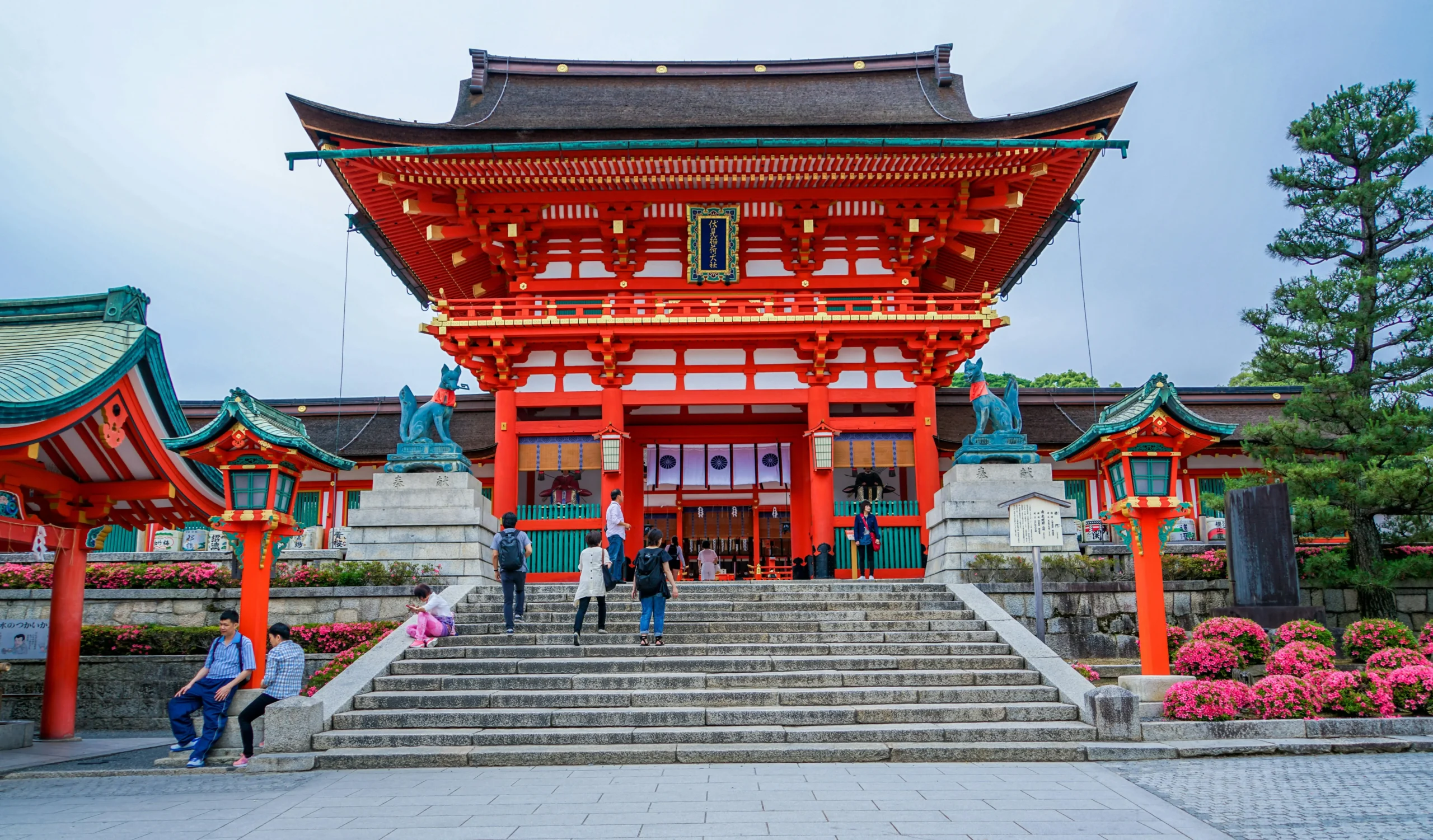
Japan has thousands of shrines and temples that don’t charge a fee. Walking through Fushimi Inari’s famous torii gates or exploring local shrines gives you a real taste of Japanese history. These spots are often the trip’s highlight, providing a peaceful break from city life.
Public parks are also a great way to enjoy nature without spending money. Yoyogi Park in Tokyo or the Imperial Palace grounds offer beautiful walks and seasonal views. Bringing a picnic to enjoy in these parks can help you save on food while enjoying the local vibe.
Budgeting for Major Theme Parks and Observation Decks
While many spots are free, some big attractions cost a lot. Theme parks like Universal Studios Japan or Tokyo Disney Resort need careful planning to fit your budget. Buying tickets early can save you from long lines and price increases.
Observation decks offer amazing city views but are pricey. To save, visit smaller decks or check if your hotel has a free view. Focus on the experiences that mean the most to you to keep your spending in check.
| Attraction Type | Typical Cost (USD) | Budget Impact |
|---|---|---|
| Shrines & Temples | $0 – $5 | Very Low |
| Public Parks | $0 | None |
| Observation Decks | $10 – $25 | Moderate |
| Major Theme Parks | $60 – $90 | High |
Connectivity and Communication Expenses
Exploring Tokyo’s busy streets or Kyoto’s peaceful temples is easier with reliable internet access. It helps you check train schedules or translate menus. Choosing the right option can save you from high roaming fees.
Comparing Pocket Wi-Fi Rentals and Travel SIM Cards
Travelers have three main options for staying online: renting a pocket Wi-Fi, buying a travel SIM card, or using an eSIM. Each has its own convenience and flexibility based on your needs.
A pocket Wi-Fi device is great for families or groups. It lets many devices connect at once. Solo travelers might prefer a travel SIM or eSIM for its simplicity and ease of use.
| Option | Best For | Key Advantage |
|---|---|---|
| Pocket Wi-Fi | Groups/Families | Connects multiple devices |
| Travel SIM | Solo Travelers | No extra hardware to carry |
| eSIM | Tech-savvy users | Instant activation |
If you pick a SIM or eSIM, make sure your phone is unlocked before you leave. Booking online can save you time and money. A stable connection lets you use maps to explore Japan confidently.
Hidden Costs and Emergency Funds
Even the best-planned trips to Japan can have unexpected costs. Major expenses like airfare and accommodation are easy to plan. But, smaller daily fees can surprise you. Staying prepared helps keep your trip stress-free and fun.
Accounting for Luggage Forwarding and Coin Lockers
Japan’s Takkyubin service is a big help. It lets you send your luggage from the airport to your hotel or between cities. This service costs between $15 and $25 per bag.
Also, coin lockers at train stations are very useful. They let you carry less when exploring a city before checking into your hotel. The cost varies from 300 to 800 yen, depending on the size. It’s smart to have 100-yen coins ready for these lockers.
Why You Need a Buffer for Unexpected Expenses
Even with a detailed plan, unexpected situations can happen. You might miss a train, take a taxi, or face sudden weather changes. Having a financial buffer keeps your trip enjoyable.
It’s a good idea to save $100 to $200 for your seven-day trip. This fund should only be used for real emergencies. If you don’t need it, you can enjoy a special dinner or a unique souvenir before leaving.
Smart Money Management and Currency Tips
Traveling on a budget can be easier if you know a few key money management tips. Japan is mostly a cash-heavy society, even though it’s getting more digital. Planning your money before you go can help you save on fees and enjoy more of what Japan has to offer.
Using ATMs and Credit Cards in Japan
Looking for an ATM is simpler than you might think. Seven-Eleven convenience stores and Japan Post Bank branches are great for travelers. They usually accept international cards without a problem.
Always choose to be charged in Japanese Yen when you can. This way, you avoid bad exchange rates. It’s also smart to carry a backup card and some cash for when you’re in rural areas.
Tax-Free Shopping Benefits for Tourists
Japan has a great deal for visitors through its tax-free shopping. Most big stores and department shops offer this. You save the 10% consumption tax on your buys. Just show your original passport when you pay.
You need to spend at least 5,000 Yen in one store to get the discount. Look for the “Tax-Free” logo in shop windows or at the checkout. This deal is good for lots of things, like electronics, clothes, cosmetics, and souvenirs.
| Payment Method | Best Use Case | Fee Consideration |
|---|---|---|
| Cash (Yen) | Small shops and shrines | Low (if withdrawn at 7-Eleven) |
| Credit Card | Hotels and department stores | Check for foreign transaction fees |
| IC Cards (Suica/Pasmo) | Trains and vending machines | Convenient for small daily costs |
Seasonal Price Fluctuations to Consider
When you plan your trip to Japan, the time you go matters a lot. Prices for flights and hotels change a lot throughout the year. Understanding these trends can help you save money and have a great trip.
Traveling During Cherry Blossom Season vs. Off-Peak
Japan’s spring is famous for its cherry blossoms. But, this beauty comes with a premium price tag. In late March and early April, prices for places to stay can double or triple.
Traveling in November or February can save you a lot of money. You’ll see fewer people at shrines and enjoy more space in cities. These times offer a chance to see Japan without the high costs of peak season.
The Impact of Golden Week on Your Wallet
Golden Week in early May is a series of national holidays. It leads to a huge increase in domestic travel. Trains are full, and hotels are hard to find. It’s the busiest and most expensive time to visit Japan, so many people avoid it.
If you must travel during Golden Week, be prepared to pay a lot. Booking early is essential to find a place to stay. Popular spots will also be very crowded with families and tourists.
| Season | Cost Level | Crowd Density | Best For |
|---|---|---|---|
| Cherry Blossom | Very High | Extreme | Sightseeing |
| Golden Week | Maximum | Maximum | Local Culture |
| Off-Peak | Low | Minimal | Budget Travel |
| Summer | Moderate | High | Festivals |
Sample Budget Templates for Different Traveler Profiles
Creating a realistic budget is key to enjoying your Japanese vacation without financial stress. We’ve made two budget models for a seven-day trip. These templates are a good start for customizing your travel plans based on your priorities.
The Shoestring Backpacker Itinerary
If you want to see Japan on a tight budget, the shoestring approach is for you. Stay in dorms or capsule hotels to save on accommodation. Opt for convenience store meals and street food over restaurants.
Use local subway passes instead of Shinkansen tickets for transport. Walking and using free parks can stretch your budget. This way, you can see more or save for unique cultural experiences.
The Mid-Range Comfort Seeker Plan
The mid-range comfort seeker aims for balance between cost and comfort. Stay in business hotels for private bathrooms and more space. Try local ramen or conveyor belt sushi for a real taste of Japan.
Buy a regional rail pass for easy city travel. You can afford to visit major spots without breaking the bank. It’s about saving money while enjoying the comforts that make a trip memorable.
| Expense Category | Shoestring Budget | Mid-Range Budget |
|---|---|---|
| Accommodation | $30 – $50 per night | $80 – $120 per night |
| Food & Drink | $20 – $30 per day | $50 – $70 per day |
| Transportation | $10 – $15 per day | $25 – $40 per day |
| Activities | $5 – $10 per day | $20 – $35 per day |
Conclusion
Planning a trip to Japan is rewarding with a clear budget plan. Knowing the cost of a 7-day trip helps you choose what’s most important. You can balance luxury with practical needs.
Smart planning makes the countdown exciting. Track your spending and use tools like the Japan Rail Pass. This way, you can enjoy every moment without financial stress.
Your trip to Tokyo, Kyoto, and more is possible with smart budgeting. Use these tips to create a trip that fits your style and budget. Book your flights and hotels now for the best deals.
We encourage you to share your travel tips or ask about your trip plans. Talking with other travelers helps everyone find great deals in Japan. Get ready for an unforgettable week in this amazing country.
FAQ
Overall, how much does a 7 day japan trip cost for an average traveler?
A mid-range traveler can spend $1,500 to $2,500 for a week. This includes international airfare, business hotel stays, local transport, and tasty meals. Your total will change based on your choice of capsule hotels or ryokans.
Is the Japan Rail Pass worth the investment for a one-week itinerary?
It depends on your plans. If you’ll take many Shinkansen trips, like from Tokyo to Kyoto, the Japan Rail Pass saves money. But, for city stays, use a Suica or Pasmo card for local travel.
What are some tips for eating well on a budget in Japan?
Enjoy great Japanese food without spending a lot. Visit konbini stores like 7-Eleven for quality snacks. Try Ichiran Ramen for amazing noodles or Kura Sushi for fun, affordable sushi.
Should I rent a Pocket Wi-Fi or buy a travel SIM card?
For groups, renting a Pocket Wi-Fi from Ninja WiFi is cheaper. It lets everyone connect at once. Solo travelers might prefer a travel SIM or eSIM from Airalo for phone use without extra hardware.
How can I save money on sightseeing and attractions?
Japan has many free cultural experiences. Visit famous spots like Senso-ji Temple or Yoyogi Park. For paid spots like Tokyo Skytree, book tickets online to save money and skip lines.
How does tax-free shopping work for international tourists?
Large stores like Don Quijote offer tax-free shopping for tourists. You need to spend over 5,000 yen and show your original passport. The 10% tax is then deducted at the register.
Are there any hidden costs I should include in my budget?
Yes, budget for luggage forwarding services like Takkyubin from Yamato Transport. It’s handy for sending bags between hotels. Also, remember to have small change for coin lockers at stations for bag storage.
Does the time of year affect how much does a 7 day japan trip cost?
Yes, it does. Prices for flights and hotels rise during Cherry Blossom season and Golden Week. For better deals, visit in winter or early autumn when it’s less crowded and cheaper.
