

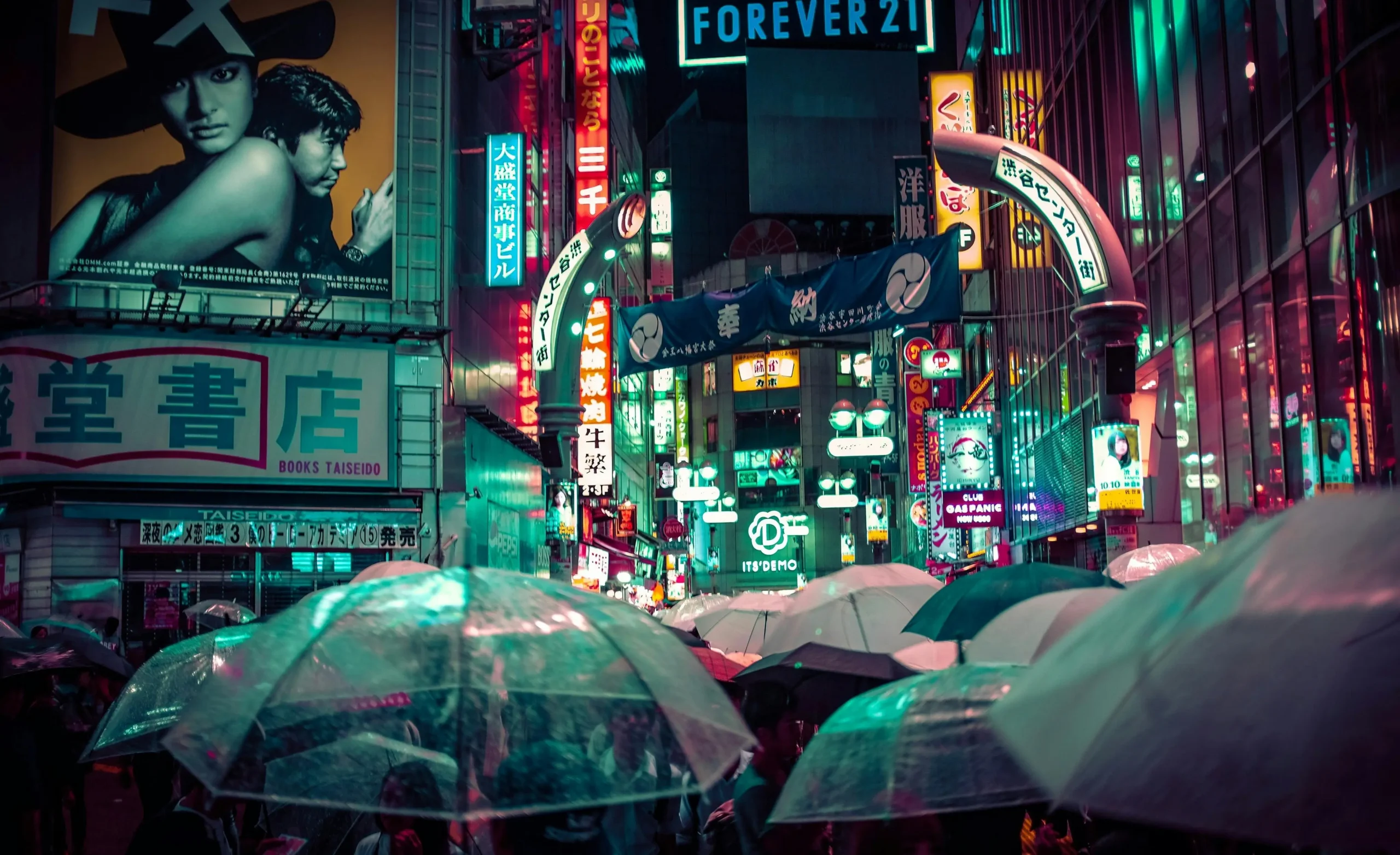
Planning a trip to Japan is thrilling. Many wonder how much should I budget for a trip to Japan before they start planning. Knowing your costs helps make your trip stress-free in this beautiful country.

Japan is a mix of old traditions and new tech. With a budget plan, you can enjoy Tokyo’s busy streets and Kyoto’s calm temples. This guide will help you figure out your costs easily.
Key Takeaways
- Researching daily costs helps prevent financial surprises during your travels.
- Accommodation choices significantly impact your overall spending habits.
- Transportation passes offer great value for exploring multiple regions efficiently.
- Dining options range from affordable street food to high-end culinary experiences.
- Setting a flexible reserve fund ensures peace of mind throughout your journey.
Understanding the Factors That Influence Your Japan Budget
Many travelers ask how much should i budget for a trip to japan. The answer varies based on your choices. You might choose to travel lightly or go for luxury. Knowing these choices helps you plan your budget better.

Determining Your Travel Style
Your travel style greatly affects your costs. If you prefer luxury accommodations and dining, you’ll spend more. On the other hand, staying in hostels or capsule hotels is cheaper. Your choice of pace also impacts your spending on transport and activities.
The Impact of Seasonal Travel
When you visit Japan matters a lot. Peak seasons like cherry blossom time or Golden Week are pricier. But, winter can be cheaper because fewer people travel then.
Duration of Your Stay
How long you stay affects your budget. Longer trips might cost more upfront but can be cheaper daily. They let you use passes and get discounts not available for short visits. This way, you can spread out your costs over more days.
How Much Should I Budget for a Trip to Japan: Daily Cost Estimates
When you ask how much should i budget for a trip to japan, the answer varies. It depends on your travel style. By looking at daily costs, you can plan your trip financially. Planning ahead lets you enjoy your trip without financial stress.

Budget Traveler Daily Breakdown
For a minimalist trip, budget $50 to $80 per day. This covers stays in hostels or capsule hotels. You’ll eat at convenience stores and street food stalls to save money.
Mid-Range Traveler Daily Breakdown
For more comfort, budget $120 to $200 per day. You can stay in business hotels and eat at casual restaurants. This tier balances value and convenience well.
Luxury Traveler Daily Breakdown
For luxury, expect to spend upwards of $400 per day. This includes stays in ryokans and fine dining. If you want luxury and comfort, this is a good starting point.
Managing Airfare and Transportation Expenses
When planning a trip to Japan, transportation costs are a big deal. Flying from the U.S. needs careful planning for the best rates. Knowing your options helps keep costs down and travel smooth.

Finding Affordable Flights from the United States
Finding a cheap flight is key for a great trip. Being flexible when searching is your best strategy. Try to avoid busy times like Golden Week or cherry blossom season for better deals.
Use price alerts on travel sites to track changes. Booking early, three to four months ahead, usually gets you the best deals. Flying into smaller airports or on weekdays can save you money too.
Navigating the Japan Rail Pass System
The Japan Rail Pass is great for visiting many cities. It lets you travel unlimitedly on most JR trains, including the Shinkansen. But, it’s not always the cheapest for every trip.
Check the cost of single tickets for your route before buying a pass. Regional passes might be better if you’re staying in one area. Always compare costs to make sure you’re saving money.
Local Transit Costs: Subways and Buses
Local transit is key once you’re in a city. Japan’s subways and buses are efficient, clean, and on time. Using an IC card like Suica or Pasmo makes paying for fares easy.
These cards work across different lines and even at stores. While single rides are cheap, they add up. Keeping track of these costs is important for budgeting your trip.
Choosing the Right Accommodation for Your Budget
Your choice of lodging will greatly affect how much should i budget for a trip to japan. Japan has many options, from simple pods to fancy suites. Finding a balance between comfort and cost is key for a great trip.

Capsule Hotels and Hostels for Budget Travelers
Capsule hotels and hostels are great for saving money. They offer a unique and efficient stay for solo travelers or those on a tight budget. You can find clean, safe places in the center of cities for less than a regular hotel.
- Capsule Hotels: Perfect for a quick, one-night stay in major cities like Tokyo.
- Hostels: Great for meeting fellow travelers and accessing shared kitchen facilities.
- Internet Cafes: A last-resort option that offers private booths for overnight stays.
Business Hotels and Traditional Ryokans
Business hotels are ideal for those who want convenience. They have clean, functional rooms near major train stations. They’re a good choice for exploring without spending too much.
For a cultural experience, try a traditional ryokan. They’re pricier but offer elaborate meals called kaiseki. This is a highlight for many and helps you understand how much should i budget for a trip to japan when including food costs.
Luxury Resorts and High-End Hotels
Japan has top-notch luxury resorts with unmatched service and comfort. They have private hot spring baths, stunning views, and personal concierge services. Staying here is an investment in a memorable experience.
| Accommodation Type | Price Range (USD) | Best For |
|---|---|---|
| Capsule/Hostel | $30 – $60 | Budget Travelers |
| Business Hotel | $70 – $150 | Mid-Range Travelers |
| Luxury Ryokan | $300+ | High-End Experiences |
Your choice depends on what you value most. Whether it’s a budget pod or a luxury resort, knowing how much should i budget for a trip to japan lets you enjoy your stay without worry.
Dining Out: From Street Food to Fine Dining
When planning your trip to Japan, think about your food choices. They can greatly affect your daily costs. Japan has a wide range of food options, from cheap street food to expensive fine dining.

Convenience Store Gems and Street Food
Local convenience stores, or konbini, are great for saving money. Stores like 7-Eleven, Lawson, and FamilyMart have tasty bento boxes and sandwiches. They’re perfect for a quick, affordable meal.
Street food is another way to enjoy Japan’s flavors without spending much. Try takoyaki in Osaka or yakitori from a stall. These snacks offer a real taste of Japan at a low cost.
Affordable Casual Dining Chains
Japan is known for its casual dining chains. Yoshinoya, Matsuya, and CoCo Ichibanya serve delicious meals at low prices. They offer hearty bowls of beef or curry.
These places are great for travelers who want a filling meal without spending too much. They help you stay within your budget while enjoying tasty food.
Budgeting for Authentic Kaiseki and Sushi Experiences
Many travelers dream of trying high-end sushi or a traditional kaiseki meal. These experiences are unforgettable but need careful budgeting.
Set aside some money for these special meals. Balance them with cheaper lunches to enjoy both worlds within your budget.
| Dining Category | Estimated Cost (USD) | Frequency |
|---|---|---|
| Convenience Store | $5 – $10 | Daily |
| Casual Dining Chain | $8 – $15 | Daily |
| Mid-Range Restaurant | $20 – $50 | Occasional |
| Fine Dining/Kaiseki | $100+ | Special Occasion |
Understanding your budget for Japan depends on your priorities. Mix affordable meals with occasional luxury for a memorable trip.
Budgeting for Sightseeing and Cultural Experiences
When planning a trip to Japan, it’s important to think about all the activities you want to do. Japan has both breathtaking free spots and expensive attractions. You need to plan your budget carefully.
Free Attractions and Public Parks
Many famous spots in Japan are free to visit. You can explore beautiful parks like Shinjuku Gyoen or the colorful streets of Dotonbori without spending money.
Local shrines and gardens offer a peaceful place to learn about culture for free. Using these free spots can help you save money while enjoying Japan’s essence.
Temple and Shrine Entrance Fees
Some famous temples and historic sites charge a small fee. These fees are usually between 300 to 1,000 yen per person. It’s a small price for the cultural value you get.
It’s wise to carry some cash for these tickets. Planning for these costs will help you budget better for your trip to Japan.
Specialized Tours and Theme Park Tickets
For thrill-seekers, Japan has amazing theme parks like Universal Studios Japan and Tokyo Disney Resort. These experiences cost between 8,000 and 10,000 yen for a day pass.
Guided tours, like food walks or historical tours, also add to your expenses. Booking these tickets early can save you money and ensure availability.
| Activity Type | Estimated Cost (USD) | Frequency |
|---|---|---|
| Public Parks/Shrines | $0 – $5 | Daily |
| Historical Temples | $3 – $8 | Occasional |
| Theme Parks | $60 – $90 | One-time |
| Guided Cultural Tours | $40 – $120 | Optional |
Essential Hidden Costs and Travel Insurance
Planning a trip to Japan is more than just booking flights and finding a place to stay. When figuring out how much should i budget for a trip to japan, remember to include those hidden costs. These can add up quickly during your journey.
The Importance of Comprehensive Travel Insurance
Unexpected events can ruin even the best plans. Getting comprehensive travel insurance is wise. It helps protect your money from medical emergencies or trip cancellations.
Peace of mind is priceless when you’re far from home. Make sure your policy covers hospital stays and emergency evacuations. This way, you’re fully protected.
Connectivity Costs: Pocket Wi-Fi and SIM Cards
Staying connected is key for finding your way around and discovering local spots. You’ll need to decide between a pocket Wi-Fi device or a local SIM card for your phone.
Pocket Wi-Fi is great for groups or families needing one connection. Solo travelers might prefer a prepaid SIM card for its convenience and lower cost.
Cash Withdrawal Fees and Currency Exchange
Japan is mostly a cash society, so you’ll need to use ATMs often. Be mindful of foreign transaction fees and ATM withdrawal charges. They can eat into your travel budget.
To save money, withdraw larger amounts of cash at once. When figuring out how much should i budget for a trip to japan, include a small extra for these fees. This way, you won’t be surprised.
Smart Strategies for Saving Money in Japan
When planning your trip to Japan, finding ways to cut down on daily costs is key. Making small, smart choices can lead to big savings. This way, you can enjoy your trip without breaking the bank.
Taking Advantage of Tax-Free Shopping
Japan has a great tax-free shopping program for visitors. Major stores, electronics shops, and some convenience stores offer it. Just show your passport to save 10% on items like cosmetics and clothes.
Look for the “Tax-Free” logo in shop windows. You need to spend at least 5,000 yen to get the tax-free deal. This is a simple way to save money for other fun activities.
Utilizing Discount Passes for Regional Travel
Traveling between cities can be expensive. Instead of buying single tickets, get regional rail passes. These passes let you travel unlimited within a certain area for a set number of days.
Before you go, check which passes are best for your travel plans. For example, a Kansai region pass is cheaper than a nationwide ticket. Planning ahead helps keep your travel costs down.
Planning Your Itinerary to Minimize Travel Costs
Limiting long-distance trips can save a lot of money. Focus on one or two areas to avoid high travel costs. This also lets you dive deeper into local cultures.
When budgeting for Japan, think about luggage costs and train time. Staying in one place longer can lead to better deals. Slow travel is not just relaxing; it’s also smart for your wallet.
Using Technology and Apps to Track Your Spending
If you’re wondering how much should i budget for a trip to japan, your smartphone is key. Modern tech helps you manage your money while traveling. With the right apps, you can track your spending and avoid overspending.
Best Budgeting Apps for International Travel
Travel apps like TravelSpend or Trail Wallet let you log expenses as you go. They help you sort your spending into categories like food and souvenirs. Setting daily limits in these apps keeps you on budget.
Monitoring Exchange Rates in Real-Time
Changes in currency rates can affect your costs a lot. Tools like XE Currency or Google alerts track rates for you. Timing your currency conversions right can save you a lot of money.
Digital Wallets and Contactless Payment Systems
Japan loves digital payments, making transactions safer and easier. You can link your Suica or Pasmo cards to Apple or Google Wallet. This makes traveling by train or bus cashless, helping you budget better.
Conclusion
Figuring out how much to budget for a trip to Japan is easy once you sort out your costs. You now have the tools to match your travel style with your budget.
Your dream trip to Tokyo or Kyoto is within reach if you manage your spending well. Making small changes to your daily life can lead to big savings. Now, you can plan with confidence.
Be open to new experiences and keep your plans flexible. Having a little extra money set aside can make unexpected moments stress-free. You’re all set to enjoy Japan’s beauty while keeping your finances in check.
Don’t forget to share your money-saving tips with others in our forums. We can’t wait to hear about your adventures. Start booking your flights and get ready to dive into Japan’s amazing culture.
FAQ
How much should i budget for a trip to japan for a standard two-week vacation?
Your budget for Japan depends on your travel style. Budget travelers should plan for $700 to $1,100 (excluding airfare). Mid-range travelers should budget $1,700 to $2,800. Luxury travelers might spend over $5,600.
Is the Japan Rail Pass a cost-effective option for transportation?
The JR Pass is great for visiting cities like Tokyo, Kyoto, and Hiroshima quickly. But, it might not be the best for staying in one area. For local travel, a digital Suica or Pasmo card is convenient and affordable.
What is the average daily cost for food in Japan?
Japan offers great value at all price levels. You can get a quality meal at a konbini for under $10. Casual spots like Ichiran Ramen cost $10 to $15. High-end meals can be $100 to $300 per person.
How does seasonality affect the cost of a trip to Japan?
Traveling during Peak Season, like Cherry Blossom time, can double costs. Off-peak winter or late autumn offer better value. You can see fall colors at Arashiyama Bamboo Grove for less.
Are there hidden costs I should be aware of before I leave?
Remember to budget for travel insurance and staying connected. Renting a Pocket Wi-Fi or buying a SIM card costs $5 to $10 daily. Also, watch for ATM fees and exchange rates.
Can I save money by shopping tax-free in Japan?
Yes! International tourists can shop tax-free at places like Bic Camera or Don Quijote. Spend over 5,000 yen and show your passport to save 10% on purchases.
What are the best ways to track my spending while traveling?
Use technology to track your spending. Apps like TravelSpend or Splitwise help log expenses. Digital wallets like Apple Pay or Google Pay make local purchases easy to track.
