

Imagine walking through Rome’s historic streets, enjoying coffee in Florence’s cafes, or riding a gondola in Venice. Italy is a dream for many, but planning a trip needs careful budgeting. With its history, art, architecture, and food, Italy can be pricey. So, is 10000 dollar enough for a trip to Italy?
This article will cover the costs of traveling to Italy. We’ll look at accommodation, food, transportation, and attractions. We’ll see if $10,000 can cover a great trip, giving you a detailed cost breakdown for your Italian adventure.
Key Takeaways
- Understanding the main expenses for a trip to Italy.
- Breaking down the costs of accommodation, food, and transportation.
- Tips for budgeting and saving during your Italian trip.
- Insights into whether $10,000 is enough for a fulfilling experience in Italy.
- Guidance on planning a memorable trip to Italy.
Understanding the Scope of a $10,000 Italy Budget
A $10,000 budget for Italy can go a long way, depending on your travel style and how long you stay. Knowing what you can get for your money is key to a great trip.
What This Budget Can Realistically Cover
With $10,000, you can handle many costs like accommodations, food, transportation, and activities. This budget lets you enjoy Italy comfortably, with room to splurge on special experiences.
Factors That Will Impact Your Spending
Several things will affect how far your $10,000 goes in Italy. Knowing these can help you manage your budget better.
Travel Style and Preferences
Your spending habits are shaped by your travel style. For example, choosing luxury accommodations and fine dining will use up more of your budget. On the other hand, staying in hostels or cooking your own meals can save you money.
Season and Duration
The time you visit Italy and how long you stay also matter. Traveling in peak season (June to August) or during big festivals can be pricier. This is because more people want to visit, raising prices for places to stay and tourist services.
By thinking about these factors and making smart choices, you can make the most of your $10,000 budget. This way, your trip to Italy will be both fulfilling and enjoyable.
Breaking Down Essential Travel Costs to Italy from the US
Planning a trip to Italy from the US? Knowing the key costs is key for a smooth trip. Your total trip cost will depend on several things. These include the time of year, where you stay, and how you travel.
Average Airfare Prices and When to Book
Flights from the US to Italy can cost a lot, depending on when you go and the airline. On average, a round-trip economy ticket can cost between $600 and $1,200. Booking early, 2-3 months in advance, can get you a better deal.
“Skyscanner’s data, the cheapest month to fly from the US to Italy is usually January, with average prices around $700.”
Being flexible with your travel dates can also save you money.
Visa Requirements and Associated Fees
US citizens don’t need a visa for tourism or business stays up to 90 days in Italy. But, you must have a valid passport that’s good for at least six months after you leave Italy. The cost of getting or renewing a passport should be included in your budget. Passport fees for adults are currently $110 for a new application, plus an execution fee.
Travel Insurance Considerations
Travel insurance is not required but is highly recommended. It covers unexpected medical or travel costs. Policies vary in cost and what they cover. On average, travel insurance can cost between 5% to 10% of your total trip cost. Look for policies that cover trip cancellation, medical, and luggage insurance to protect you well.
Understanding these key travel costs helps you plan your Italy trip better and stay within your budget.
Accommodation Options and Their Cost Impact
Planning a trip to Italy means deciding where to stay. There are many options, from expensive hotels to affordable hostels and vacation rentals. Each choice affects your budget and experience.
Luxury Hotels vs. Boutique Stays
Luxury hotels in Italy offer top-notch comfort and service. They come with high prices, mainly in cities like Rome and Venice. Boutique hotels, though pricey, provide a unique charm and personalized service.
Mid-Range Accommodation Choices
For those on a moderate budget, Italy has many mid-range options. You can find three-star hotels, guesthouses, and vacation rentals. These offer a good balance of cost and comfort.
Budget-Friendly Alternatives: Hostels and Vacation Rentals
Italy has many affordable places to stay. Hostels are great for solo travelers or those who want to meet others. Vacation rentals, like Airbnb, offer more space and flexibility.
Airbnb and Apartment Rentals
Airbnb is popular in Italy, with options from cozy apartments to large villas. It lets you live like a local. Prices vary, but it’s often cheaper than hotels, perfect for longer stays or groups.
Agriturismo Experiences
Staying at an agriturismo is a unique Italian experience. It lets you live in rural Italy, enjoy local food, and help with farm work. Options range from simple rooms to self-catering apartments, a charming alternative to hotels.
| Accommodation Type | Average Cost per Night | Features |
|---|---|---|
| Luxury Hotel | $250-$500 | High-end amenities, premium service |
| Boutique Hotel | $150-$300 | Unique decor, personalized service |
| Mid-Range Hotel | $80-$150 | Balanced cost and comfort, decent amenities |
| Hostel | $20-$50 | Budget-friendly, social atmosphere |
| Airbnb Apartment | $60-$120 | Flexibility, home-like environment |
| Agriturismo | $70-$150 | Rural experience, local cuisine |
Knowing the different places to stay helps travelers plan within their budget. This way, they can have a memorable and affordable trip to Italy.
Transportation Expenses Within Italy
Italy has many ways to get around, making it easier to plan your trip. You can use high-speed trains, regional railways, rent cars, or take public transport in big cities.
High-Speed Trains and Regional Railways
The high-speed train network in Italy connects big cities fast. Trenitalia and Italo run these trains. Prices change based on the train and class you choose.
A ticket from Rome to Florence can cost between $60 and $150. This depends on the service class you pick.
Regional trains are cheaper and reach more places, including small towns. A ticket for these trains usually costs between $5 and $20.
Car Rental Costs and Considerations
Car rentals let you see rural areas and small towns easily. The cost for a rental car is about $40 to $100 a day. This price varies based on the car and rental company.
ZTL Zones and Parking Fees
In Italian cities, watch out for ZTL areas where cars can’t enter. Entering without permission can lead to big fines. Parking fees also vary, costing $1 to $3 an hour in cities.
Public Transportation in Major Cities
Cities like Rome, Florence, and Venice have good public transport. This includes buses, trams, and metro lines. A single ticket costs $1.50 to $2, while daily passes are $5 to $15.
Weekly or monthly passes are cheaper for those who travel a lot. For example, a weekly pass in Rome is about $30.
Knowing about these transport options and costs helps you travel Italy on a budget of $10,000.
Food and Dining Budget: From Street Food to Fine Dining
The Italian culinary scene is full of variety, from cheap street food to fancy dining. Traveling to Italy means a big part of your budget will go to food. Knowing how to manage these costs can help you enjoy Italy’s food without spending too much.
Authentic Italian Dining Experiences
Italy is known for its real dining experiences, from casual trattorias to fancy restaurants. Eating at local spots gives you a taste of true Italian food and can save money. A meal at a typical trattoria costs between $15-$30 per person.
For a fancier meal, high-end restaurants in big cities like Rome and Florence can cost over $100 per person, without wine.
Self-Catering Options to Save Money
Self-catering is a good way to cut down on food costs. Many places, like vacation rentals, have kitchens. Buying ingredients at local markets and cooking your own meals can save a lot of money.
Shopping at local markets also lets you experience the culture and try fresh foods and products.
Regional Food Specialties Worth Splurging On
Italy is famous for its local dishes, and trying these is a must. From fresh seafood in coastal areas to truffles in Umbria, each place has its own special foods. While these might cost more, they’re worth it for the quality and taste.
Wine Tasting and Food Tours
Wine tastings and food tours are great ways to dive into Italy’s food culture. Prices vary by region and the type of wine. Food tours, which include tastings and a look behind the scenes of local food, cost between $50 to $150 per person.
| Dining Experience | Average Cost per Person |
|---|---|
| Street Food | $5-$10 |
| Trattoria Meal | $15-$30 |
| Fine Dining | $100-$200+ |
| Food Tour | $50-$150 |
Is 10000 Dollar Enough for a Trip to Italy? Real-World Scenarios
To figure out if $10,000 is enough for Italy, let’s look at different travel styles and lengths.
Luxury 7-Day Trip for Two
A luxury trip to Italy for two can cost a lot. Here’s what you might spend on a 7-day luxury trip:
- Accommodation: $3,000 (avg. $428 per night for a luxury hotel)
- Food and Dining: $1,500 (avg. $214 per day for fine dining)
- Transportation: $500 (high-speed trains and luxury car services)
- Activities and Attractions: $1,000 (guided tours and exclusive experiences)
Total estimated cost for a luxury 7-day trip: $6,000
Mid-Range 14-Day Trip for Two
A mid-range 14-day trip to Italy can be more affordable. You can enjoy Italy without breaking the bank.
| Category | Cost |
|---|---|
| Accommodation | $2,500 (avg. $179 per night for mid-range hotels) |
| Food and Dining | $2,000 (avg. $143 per day for mid-range dining) |
| Transportation | $800 (regional trains and public transport) |
| Activities and Attractions | $700 (entry fees and guided tours) |
| Total | $6,000 |
Budget 21-Day Trip for Two
For those on a tight budget, a 21-day trip to Italy can be done affordably with planning.
“The key to a budget-friendly trip is planning ahead and being flexible with your travel dates,” says travel expert,
Travel Italia
.
Sample Itineraries and Cost Breakdowns
Here’s a breakdown for a budget 21-day trip:
- Accommodation: $2,000 (avg. $95 per night for hostels and vacation rentals)
- Food and Dining: $1,500 (avg. $71 per day for self-catering and street food)
- Transportation: $500 (public transport and budget airlines)
- Activities and Attractions: $500 (free and low-cost experiences)
In conclusion, $10,000 can cover a trip to Italy, depending on your style and length of stay. Luxury travelers might spend about $6,000 for a week. Mid-range travelers can enjoy a two-week trip for $6,000. Budget travelers can have a great 21-day trip for $4,500.
Exploring Major Italian Cities: Cost Comparisons
Italy’s cities, from Rome’s ancient ruins to Venice’s canals, offer unique experiences. But, they come with different prices. Knowing these costs helps travelers plan better.
Rome: The Eternal City’s Price Tag
Rome is famous for landmarks like the Colosseum and Vatican City. It’s pricier than other cities. Accommodation prices can go up to $500 per night in peak season. But, you can find hostels for about $30 per night.
Dining in Rome ranges from cheap trattorias to expensive restaurants. Meals can cost from $15 to over $100 per person.
Florence and Tuscany: Art and Wine Country Costs
Florence, in Tuscany, is known for its art and vineyards. It’s less expensive than Rome but has its own costs. Accommodation in Florence costs between $100 to $300 per night.
Tuscany’s countryside is more laid-back and might be cheaper for staying and eating.
Venice: Navigating the Floating City’s Expenses
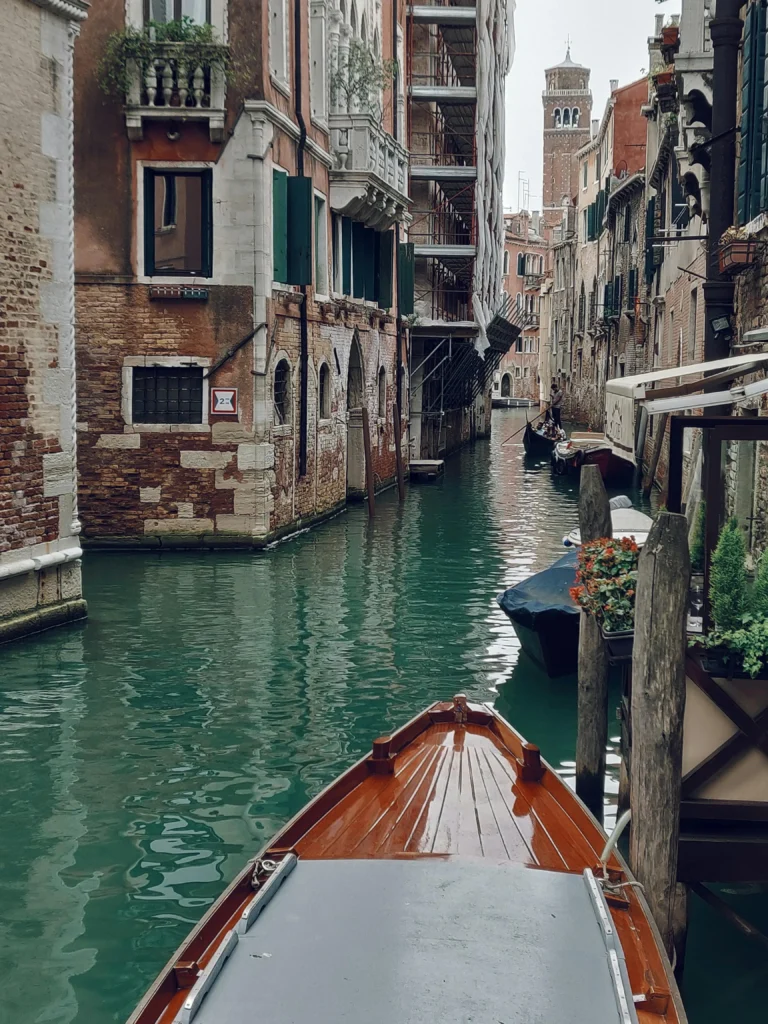
Venice is famous for its canals and history. It’s a pricey destination. Accommodation in central Venice can cost from $150 to over $400 per night. Don’t forget to budget for gondola rides and water taxis.
Milan: Fashion Capital Budget Considerations
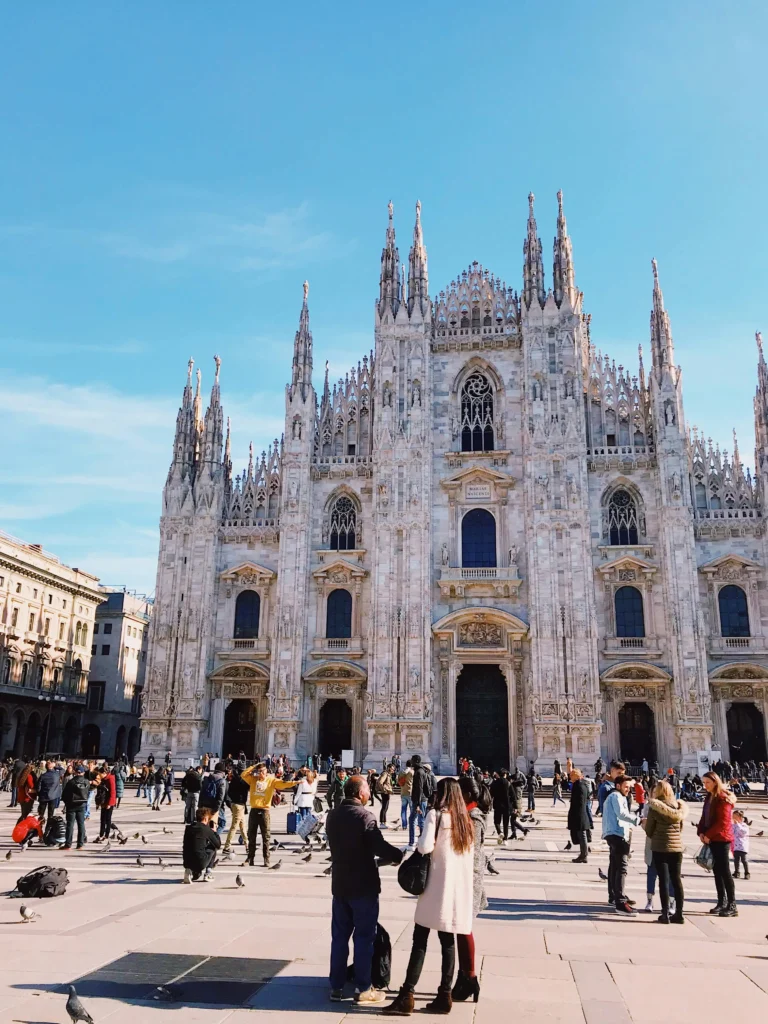
Milan is all about fashion and design. It’s expensive, but you can find affordable options. Budget accommodations are about $80 per night. Eating at local trattorias can start at $20.
Understanding the costs of Italy’s major cities helps plan a budget-friendly trip. This way, you can enjoy your journey without breaking the bank.
Off-the-Beaten-Path Destinations That Offer Better Value
Exploring places not many visit can reveal Italy’s hidden treasures. Famous spots like Rome and Florence draw crowds, but there are many hidden gems. These spots offer a real Italian feel at a lower cost.
Southern Italy’s Hidden Gems
Southern Italy boasts some of the country’s most breathtaking and overlooked areas. These regions are not just beautiful but also steeped in history and culture.
Puglia and Calabria
Puglia is famous for its unique trulli houses and stunning beaches. It’s a place of calm. Calabria, with its dramatic coastline and ancient sites, is perfect for those who love adventure and history.
Lesser-Known Northern Italian Towns
Many people visit Lake Como and the Dolomites, but there are other northern towns just as captivating. Mantua and Piedmont are known for their art, history, and food. They offer a unique experience without the crowds.
Italian Countryside Experiences
The Italian countryside is ideal for those wanting to get away from city life. Tuscany and Umbria are famous for their vineyards and olive groves. They provide a peaceful and beautiful setting.
| Region | Main Attractions | Average Cost per Day |
|---|---|---|
| Puglia | Trulli houses, beaches | $80 |
| Calabria | Ancient ruins, rugged coastline | $70 |
| Mantua | Historical architecture, art | $90 |
Visiting these hidden spots can greatly improve your Italian travel experience. It offers a closer look at local culture and landscapes.
Activities and Attractions: Where to Spend and Where to Save
Italy is full of ancient ruins and world-class museums. It’s a perfect place for travelers looking for fun and adventure. It’s important to balance your spending to enjoy your $10,000 Italian trip.
Must-See Attractions Worth the Entrance Fee
Italy has many famous landmarks like Rome’s Colosseum and Florence’s Uffizi Gallery. These places offer amazing experiences but cost a bit more. For example, the Colosseum is $12, and the Uffizi Gallery is about $20 per person.
Free and Low-Cost Experiences
Not everything in Italy costs a lot. Many churches, like St. Peter’s Basilica in Rome, are free. You might need to dress modestly or make a small donation. Also, exploring the countryside, visiting local markets, or enjoying a coffee outside can be cheap.
Unique Experiences Worth Splurging On
For unforgettable moments, try something special like a gondola ride in Venice or a wine tasting tour in Tuscany. These activities give you lasting memories and a deeper look into Italian culture.
Cooking Classes and Guided Tours
Joining a cooking class or guided tour is a great way to dive into Italian culture. You can learn to make pasta or explore hidden spots in cities. Prices vary, but expect to pay $50-$100 for a half-day experience.
By choosing wisely where to spend and save, you can have a rich and enjoyable Italian trip within your budget.
Shopping and Souvenirs: Budgeting for Italian Treasures
Shopping in Italy is more than just buying souvenirs. It’s a chance to dive into the local culture. You can find everything from high-end fashion to handmade crafts, fitting all budgets.
Authentic Italian Products Worth Bringing Home
Italy is known for its top-notch products. You’ll find luxury leather goods, handmade ceramics, and artisanal textiles. Look for items like Venetian glass, Tuscan olive oil, or Florentine paper. They make great gifts and remind you of your trip.
Tax Refund Opportunities for Tourists
Italy has a tax refund for tourists, called IVA (Imposta sul Valore Aggiunto) remboursement. You need to spend at least €100-€150 at a single store. Make sure it’s part of the tax refund scheme. Get a tax refund form and have it stamped at the airport before leaving.
Avoiding Tourist Traps and Overpriced Items
To get the best out of shopping in Italy, watch out for tourist traps and overpriced items. Stay away from street vendors and stores full of tourists. They often charge too much for low-quality goods. Instead, check out local markets and boutiques in residential areas for real deals.
With some knowledge and smart shopping, you can enjoy Italy’s shopping scene without overspending. Whether you’re after something fancy or a simple keepsake, Italy has something for every shopper.
Seasonal Considerations: How Timing Affects Your Budget
Knowing when to visit Italy is key for saving money. The country’s history, art, and culture draw people all year. But, the time you go can really change your costs.
Peak Season vs. Shoulder Season Pricing
Summer (June to August) is peak tourist time in Italy. Prices for places to stay and things to do are highest then. Shoulder season, from April to May and September to October, offers better weather and lower prices.
Visiting in the shoulder season can save you a lot. You’ll pay less for places to stay and attractions.
Winter Travel Cost Benefits
Winter (November to March) in Italy can be cheaper. Prices for places to stay are lower, and fewer people visit popular spots. The cooler weather might not be for everyone, but Italy’s indoor sights and cultural events are great.
Festival and Holiday Price Surges
Events like Carnevale di Venezia or Easter can make prices go up. More people want to see things, so prices rise. Booking early or avoiding these times can help you save.
Regional Events and Their Impact on Prices
Big events, like the Palio di Siena in Tuscany, bring in crowds. This can make prices go up. Knowing about these events helps you plan and budget better.
By picking the right time to visit and avoiding busy times, you can save money. This way, your trip to Italy can be more affordable and enjoyable.
Money-Saving Tips for Maximizing Your Italian Experience
Traveling to Italy on a budget is possible with the right tips. Italy is famous for its culture and beauty. You can enjoy it without spending too much if you know how to save.
City Passes and Tourism Cards
City passes and tourism cards are great for saving money in Italy. They give you free entry to attractions and discounts on transport. For instance, the Rome Pass lets you into many places for free and offers discounts.
Strategic Meal Planning
Eating out in Italy can be fun but pricey if not planned. Try the aperitivo culture for free snacks with a drink. Also, fixed-price menus can make meals affordable and enjoyable.
Aperitivo Culture and Fixed-Price Menus
Aperitivo is a drink with snacks before dinner. It’s a great way to save money and try local foods. Fixed-price menus let you try different dishes without worrying about the cost.
Smart Booking Strategies
Book early for big savings on hotels, tours, and transport. Many places offer discounts for early bookings. Always compare prices to find the best deals.
Local Insights for Budget Travelers
Talking to locals can reveal budget-friendly spots. They know the best, affordable places to eat and see. Stay in local neighborhoods for cheaper food and hidden gems.
Conclusion: Making the Most of Your $10,000 Italian Adventure
A $10,000 budget can cover a lot in Italy, depending on how you travel. We’ve looked at the main costs like flights, places to stay, food, and things to do.
Knowing what to expect can help you plan an amazing trip. Italy offers luxury and budget options. With smart planning, your $10,000 can explore Italy’s history, art, buildings, and food.
In short, a well-thought-out italy trip can create lasting memories. This budget summary aims to guide you through the costs for a great Italian vacation.
FAQ
Is $10,000 enough for a trip to Italy?
Whether $10,000 is enough for Italy depends on your travel style and how long you stay. For a fancy trip, it might cover a short stay. But for a budget trip, it could last longer.
What are the most significant expenses when traveling to Italy?
Big costs include flights, where you stay, what you eat, getting around, and fun activities. Prices change based on when you go, how you travel, and where you are.
How can I save money on accommodations in Italy?
Look for cheaper places like hostels, Airbnb, or vacation rentals. Booking early and staying outside big cities can also save you money.
What is the best time to visit Italy to save money?
Visiting in the shoulder season (April-May or September-October) is cheaper. Prices are lower than in the busy summer months (June-August).
Are there any free or low-cost activities in Italy?
Yes, many cities offer free or cheap things to do. You can visit markets, explore old centers, and enjoy parks and gardens.
How can I budget for food in Italy?
Eating at local places, trying street food, and cooking your own meals can save money. Treat yourself to special meals and local dishes as splurges.
What are some money-saving tips for traveling in Italy?
Use city passes, plan meals, enjoy aperitivo, and book smart. Local tips can also help find affordable options.
Can I get a tax refund on my purchases in Italy?
Yes, non-EU visitors can get a tax refund on some buys. Look for stores with tax refund programs and follow the steps.
How does the duration of my trip affect my budget?
Longer trips might be cheaper daily, as some costs like flights are spread out. But, your total expenses will be higher.
Are there any specific destinations in Italy that offer better value?
Places like Southern Italy (Puglia and Calabria) and the countryside offer better deals. They have cheaper places to stay, eat, and do things.
