

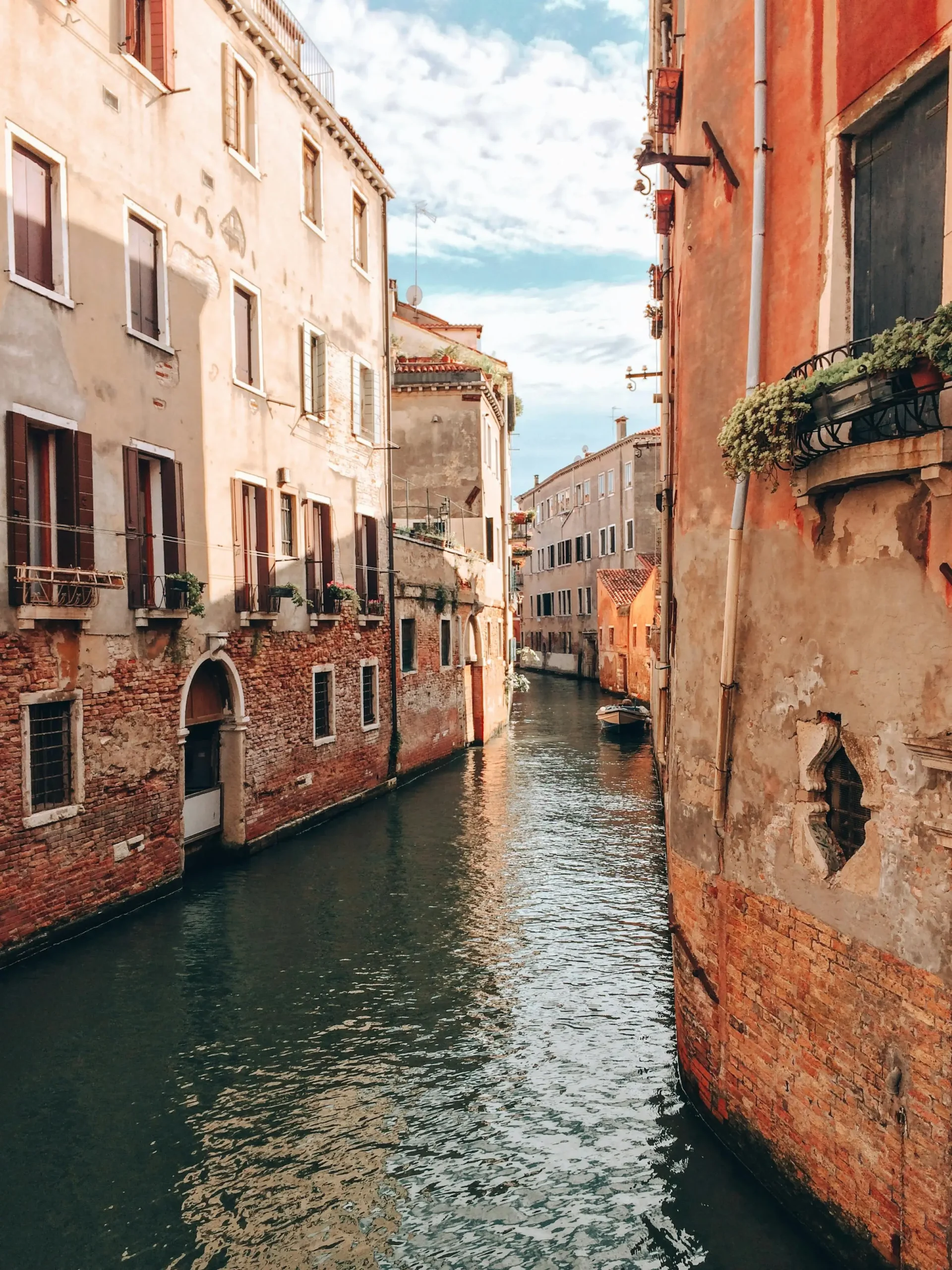
Wondering what is the most beautiful city in Italy? Explore iconic spots, breathtaking views, and must-see destinations for an unforgettable trip. Discover now.
As I walked through Italy’s cobblestone streets, I felt a deep enchantment. The country’s rich history and stunning architecture captivated me. From Venice’s romantic canals to Rome’s ancient ruins, each city has its own charm. But, which one is the crown jewel of Italian cities?
Italian cities are famous for their beautiful landscapes, art, and culture. It’s hard to choose just one city that captures Italy’s beauty. In this article, we’ll explore the most captivating Italian cities and what makes them special.
Key Takeaways
- Overview of Italy’s most stunning cities
- Historical significance of Italian cities
- Cultural experiences that make Italian cities unique
- Landmarks that define the beauty of Italian cities
- Tips for travelers visiting Italian cities
The Allure of Italian Cities
Italy is famous for its cities, filled with history, art, and stunning architecture. Each city is a treasure, with landmarks that symbolize beauty and culture. The charm of Italian cities comes from their rich history, beautiful buildings, and lively streets.
A Nation of Architectural Masterpieces
Italy boasts some of the world’s most famous buildings. Rome’s ancient ruins and Florence’s Renaissance palaces are just a few examples. The detailed stone work, grand squares, and beautiful fountains make Italian cities breathtaking.
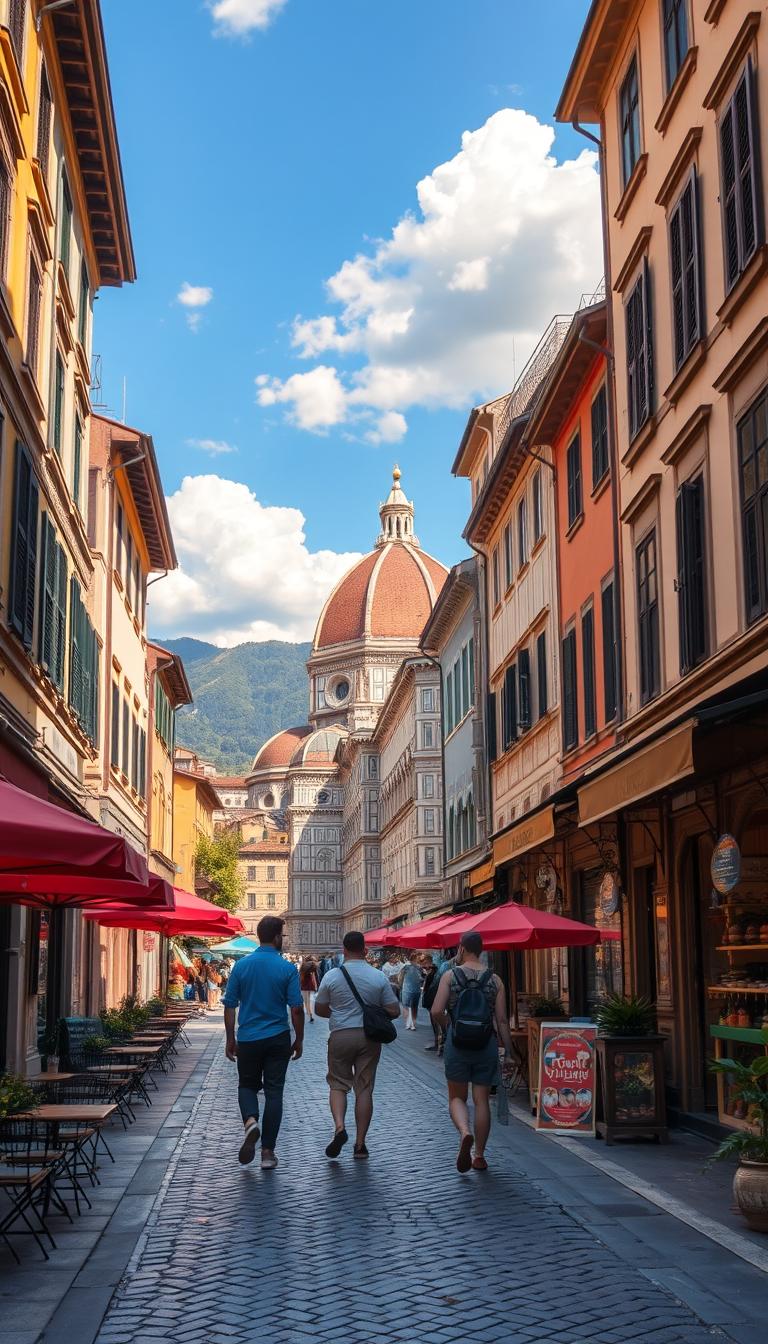
These architectural wonders show Italy’s deep history and inspire artists and architects today. They make Italian cities must-sees for anyone who loves history, art, and architecture.
The Blend of History and Modernity
Italian cities are special because they mix old and new perfectly. Ancient buildings sit next to modern shops, cafes, and restaurants. This mix creates a vibrant city life.
This balance of old and new is what makes cities like Rome, Florence, and Venice alive today. They are not just old places but also bustling, modern cities.
What is the Most Beautiful City in Italy? My Top Pick
Traveling through Italy, you see each city has its own charm. But finding the most beautiful city is a tough but exciting task. Italy’s cities are filled with history and culture, making it hard to pick just one.
Why Beauty is Subjective in Italian Cities
Beauty is in the eye of the beholder, and Italy’s cities show this clearly. Each city has its own history, art, and architecture. Some might love Venice’s canals, while others prefer Rome’s grandeur or Florence’s art.
This makes Italy’s cities special. Each offers a unique beauty that speaks to different people in different ways.
The Criteria for My Selection
I looked at several things when choosing the most beautiful city in Italy. The city’s historical significance and cultural impact were key. I also considered iconic landmarks and architectural marvels.
The city’s beauty, layout, and mix of old and new were important too. I wanted a city that’s not just beautiful but also vibrant and livable. This way, I could find a city that truly represents Italy’s rich culture.
Florence: The Renaissance Jewel
Florence is where the Renaissance began. It’s full of art, culture, and history. This city offers more than just a visit; it’s a journey into human creativity and innovation.
The Cradle of Art and Culture
Florence is famous for its art and culture. It was home to Leonardo da Vinci, Michelangelo, and Galileo Galilei. The city’s impact on art, architecture, and science is huge, making it a cultural hub that inspires many.
The Uffizi Gallery is a world-famous art museum. It has works by Botticelli, Raphael, and Titian. It’s a must-see for anyone who loves Renaissance art.
Walking Through History in Florence
Walking in Florence feels like going back in time. The historic center, a UNESCO World Heritage Site, is filled with landmarks like the Duomo and Ponte Vecchio. Every step tells a new story or shows a new masterpiece.
The city’s layout, with its narrow streets and charming piazzas, invites exploration. From the iconic terracotta rooftops to the elegant bridges over the Arno River, Florence’s architecture shows its rich history.
Must-See Masterpieces and Museums
Florence has many museums and galleries. Each one offers a unique look at the city’s culture and art. The Uffizi Gallery, Accademia Gallery, and Palazzo Davanzati Museum are some of the top places to visit.
Here’s a comparison of some top museums in Florence:
| Museum | Notable Works | Highlights |
|---|---|---|
| Uffizi Gallery | Botticelli’s “The Birth of Venus” | Comprehensive collection of Renaissance art |
| Accademia Gallery | Michelangelo’s “David” | Sculpture from the Renaissance period |
| Palazzo Davanzati Museum | Renaissance art and artifacts | Unique insight into Renaissance interiors |
Venice: The Floating Wonder
Venice is a city unlike any other, floating on water with its canals and bridges. Walking through its streets, I felt the city’s timeless charm. The views were breathtaking.
Canals, Gondolas, and Timeless Romance
The canals of Venice are its heart, giving a special view of the city. A gondola ride shows the beauty of Venetian life, old and new. Under the city’s bridges, the calm and beauty are unforgettable.
The Unique Venetian Architecture
Venetian buildings mix Byzantine, Gothic, and Renaissance styles. This shows the city’s history as a meeting place of cultures. The magnificent St. Mark’s Basilica and the Doge’s Palace are perfect examples. They show Venice’s grandeur and beauty.
Beyond the Tourist Spots: Authentic Venice
To really see Venice, go beyond the usual spots. Exploring hidden neighborhoods and talking to locals reveals the city’s true culture. Enjoying local food and finding unique artisan shops shows there’s more to Venice than the surface.
Rome: The Eternal City
Rome is a city where the old and new meet. Walking its streets, you feel the city’s deep history. It’s filled with ancient ruins and Renaissance art.
Ancient Wonders Amid Modern Life
Walking in Rome, you feel its ancient history. The Colosseum and Roman Forum show the city’s rich past. These sites are part of today’s Rome, with cafes and shops nearby.
The city’s mix of old and new is special. For example, the Pantheon sits in a busy square. It’s surrounded by modern buildings and street vendors.
The Vatican City: A State Within a City
The Vatican City is inside Rome. It’s a city-state with famous sites like St. Peter’s Basilica and the Sistine Chapel. The Vatican is known for its amazing art and architecture.
Visiting the Vatican feels like entering another world. St. Peter’s Basilica is stunning, with Michelangelo’s dome. The Sistine Chapel is famous for its ceiling, also by Michelangelo.
Roman Neighborhoods Worth Exploring
Rome’s neighborhoods, or quartieri, are all different. Trastevere is charming, while the Spanish Steps area is fashionable. There’s a neighborhood for everyone.
Exploring Rome on foot is the best way to see it. You can enjoy a coffee in a local cafe or shop at markets. There’s always something new to find.
Siena: Medieval Perfection
Siena is a city that captures the heart of medieval Italy. It’s a top spot for history and architecture lovers. Walking its narrow streets, I felt the city’s timeless charm.

The Historic Center and Piazza del Campo
The historic center of Siena is a medieval wonder. Its buildings and streets look much the same as they did centuries ago. At its heart is Piazza del Campo, a grand square famous for the Palio horse racing.
The square is flanked by stunning buildings, like the Palazzo Pubblico. This palace is home to the city’s government and a museum. You can also climb the Torre del Mangia for breathtaking views.
| Landmark | Description |
|---|---|
| Piazza del Campo | Main square hosting the Palio horse racing event |
| Palazzo Pubblico | City government offices and museum |
| Torre del Mangia | Tower with panoramic views of Siena |
The Palio and Living Traditions
Siena is famous for its Palio di Siena, a horse racing event held twice a year. This ancient competition between the city’s contradas is a global attraction.
The Palio is more than a race. It’s a celebration of Siena’s history and culture. Participants wear traditional clothes and the event is filled with pageantry. It shows the city’s strong community spirit and heritage.
The Amalfi Coast: Coastal Splendor
The Amalfi Coast is a stunning part of Italy. It’s famous for its beautiful towns on cliffs, clear waters, and amazing views.
The Amalfi Coast is known for its colorful cliffside towns. Each town has its own special charm. Positano is famous for its bright houses, steep streets, and lovely beaches.
Positano and Colorful Cliffside Towns
Positano is loved for its laid-back atmosphere and stunning scenery. You can shop, eat, or just relax on its beaches. Amalfi and Ravello are also worth visiting for their unique experiences.
- Amalfi: Known for its historic harbor and stunning cathedral.
- Ravello: Famous for its music festivals and breathtaking views from its hilltop location.
The Dramatic Coastline Views
The Amalfi Coast is known for its dramatic coastline views. The scenic drives along the coast show off the Mediterranean Sea and the landscape. You can see these views from viewpoints, beaches, and on boat tours.
Top activities include hiking the famous Sentiero degli Dei (Path of the Gods). You can also take a boat ride to explore the coast and visit the island of Li Galli.
Milan: Fashion and Design Capital
Milan is a city that mixes modern style with old charm. Walking through, I saw ancient buildings next to modern designs. It’s a unique sight.
Modern Elegance and Historic Charm
Milan’s modern side is seen in its tall buildings and design areas like Porta Nuova. But, it also keeps its history alive with places like the Castello Sforzesco.
The city’s mix of old and new shows its special character. As
“Milan is a city that wears its history on its sleeve, yet is always looking to the future.”
This mix is clear in Milan’s fashion. Here, old skills meet new ideas.
The Duomo and Architectural Highlights
Visiting Milan means seeing the Duomo, a famous cathedral. Its Gothic design and size are breathtaking.
Other must-sees include the Galleria Vittorio Emanuele II, an old shopping mall, and the
Milan’s buildings show its love for both past and future. It has something for everyone, whether you love fashion, design, or history.
Bologna: The Culinary Heart
Bologna is a city with red roofs and long porticoes. It mixes history with a lively academic vibe. As Italy’s culinary heart, it offers a unique food experience that draws visitors from everywhere.
Red Roofs and Porticoes
Bologna’s historic center is famous for its red roofs and long porticoes. These features add to the city’s beauty and make it fun to explore. The porticoes show Bologna’s rich history, providing sheltered paths across the city.
Food Culture and University Life
Bologna is known for its delicious food, like tagliatelle al ragù and prosciutto di Parma. Its food culture and university life mix together, creating a lively atmosphere. Students and locals love the many trattorias and markets, making Bologna a food lover’s dream.
| Local Dish | Description |
|---|---|
| Tagliatelle al Ragù | A classic pasta dish served with a rich meat ragù. |
| Prosciutto di Parma | A cured ham from Parma, often served as an antipasto. |
| Mortadella | A mild, herb-flavored cured meat, often served in sandwiches. |
Bologna’s culinary heart is strong, thanks to its traditions and academic community. Whether you love food or want to see authentic Italy, Bologna will surely impress you.
Hidden Gems: Lesser-Known Beautiful Italian Cities
Exploring Italy beyond the usual spots reveals stunning cities that few tourists see. These hidden gems offer a real taste of Italy, away from the crowds.
Lecce: The Florence of the South
Lecce, in Puglia, is called the “Florence of the South” for its Baroque beauty. Its historic center is a treasure trove of ornate churches, palaces, and piazzas. The city’s buildings are adorned with detailed stone carvings.
Must-see spots include the Piazza del Duomo, the Basilica di Santa Croce, and the Roman Amphitheater. Lecce’s relaxed vibe and tasty food make it perfect for those seeking something different.
Perugia: Etruscan Beauty in Umbria
Perugia, Umbria’s capital, is rich in Etruscan history and medieval charm. Its narrow streets and alleys are filled with historic architecture and beautiful views. It’s also known for its chocolate, with many shops to try.
- The Rocca Paolina, a medieval fortress
- The Galleria Nazionale dell’Umbria, a museum featuring local artists
- The Piazza IV Novembre, a historic square with a beautiful fountain
Ravenna: Mosaic Masterpieces
Ravenna, on Italy’s northeastern coast, is famous for its Byzantine mosaics. The Basilica di San Vitale and Mausoleum of Galla Placidia are UNESCO sites with breathtaking mosaics. The city’s buildings are a feast for the eyes.
In summary, Italy’s lesser-known cities are full of beauty and culture. Exploring these hidden spots offers a genuine Italian experience and unforgettable memories.
What Makes Italian Cities So Uniquely Beautiful
Italian cities have a special charm that’s hard to ignore. Their beauty comes from history, architecture, and nature. It’s not just about famous sights; it’s the small details that make them special.
The Role of Piazzas in Urban Design
Piazzas are the heart of Italian cities. They are lively spots where people meet, eat, and enjoy the view. These areas are often surrounded by important buildings, like churches and cafes, adding to their beauty.
Each piazza has its own style, but they all aim to be welcoming. For instance, Rome’s Piazza Navona is known for its baroque buildings and fountains. Venice’s Piazza San Marco is famous for its Byzantine mosaics.
| City | Piazza Name | Notable Features |
|---|---|---|
| Rome | Piazza Navona | Baroque architecture, ornate fountains |
| Venice | Piazza San Marco | Byzantine mosaics, historic cafes |
| Florence | Piazza della Signoria | Historic statues, Palazzo Vecchio |
The Italian Approach to Aesthetics
Italians love beauty, which shows in their cities’ design and buildings. They mix old and new styles, giving each city its own look. This is seen in how they keep old buildings and add new ones together.
They use local materials like stone and terracotta to warm up the cities. Adding art and sculptures to public spaces makes them even more beautiful and meaningful.
The Influence of Light and Landscape
The light and scenery of Italy make its cities even more stunning. The country’s varied landscapes, from mountains to coastlines, add to the beauty. The way light and architecture meet is breathtaking, best seen at dawn and dusk.
The hills, coastlines, and lakes around Italian cities make them even more beautiful. These natural wonders attract visitors from all over.
Planning Your Visit to Italy’s Most Beautiful Cities
To enjoy Italy fully, plan your trip carefully. Think about the season and how you’ll get around.
Best Times to Visit
Italy welcomes visitors all year. But, the best time varies based on what you want to see and do.
Seasonal Considerations
Spring (April to June) and autumn (September to October) are ideal. The weather is nice, and there are fewer crowds than in summer.
Festival Timing
Italy’s festivals are legendary. Visiting during events like the Venice Carnival or the Siena Palio makes your trip unforgettable.
Transportation Between Cities
Getting from one city to another in Italy is easy. The country has a great transport system.
Train Travel Tips
Trains are a great way to see Italy. Booking early saves money, and fast trains cut travel time.
Rental Car vs. Public Transport
Rental cars offer freedom, but Italy’s public transport is reliable. Choose what fits your trip best.
Accommodation Tips
Italy has many places to stay, from fancy hotels to cheap hostels. Book early, mainly in peak season.
Cultural Etiquette for American Visitors
Knowing local customs makes your visit better. Say hello to shopkeepers and respect meal times to impress.
Conclusion
Italy is famous for its rich history, art, architecture, and culture. It’s a treasure trove of beautiful cities. From Florence to Venice, Rome to Siena, and the Amalfi Coast, each city has its own charm.
What makes a city beautiful can vary from person to person. Some love Florence’s Renaissance art, while others enjoy Venice’s canals. Rome’s ancient ruins are a must-see for many.
In the end, Italy’s cities offer beauty, history, and culture for all. When planning your trip, think about what each city offers. This way, you can create an unforgettable Italian experience.
FAQ
What is the most beautiful city in Italy?
Beauty is in the eye of the beholder. But many say Florence is the most beautiful. It’s famous for its Renaissance buildings and art.
What makes Italian cities so beautiful?
Italian cities are stunning because of their rich history and amazing architecture. They mix old and new in a unique way.
Are there any lesser-known beautiful Italian cities?
Yes, there are hidden gems like Lecce, Perugia, and Ravenna. Lecce is known for its Baroque style. Perugia has Etruscan roots. Ravenna is famous for its Byzantine mosaics.
What is the best time to visit Italy’s beautiful cities?
Spring and autumn are the best times. The weather is nice, and there are fewer tourists than in summer.
How can I travel between Italy’s beautiful cities?
Italy’s rail network is great for traveling. You can also rent a car or use public transport.
What are some must-see attractions in Florence?
Florence has many iconic spots. Don’t miss the Duomo, Ponte Vecchio, and Uffizi Gallery.
What is unique about Venice’s architecture?
Venice is famous for its Venetian style. You’ll see ornate bridges, grand palaces, and St. Mark’s Basilica. It’s all set in a city of canals.
What can I expect to see in Rome?
Rome is full of ancient history. See the Colosseum, Roman Forum, and Pantheon. Don’t forget the Vatican City, including the Sistine Chapel and St. Peter’s Basilica.
Are there any specific cultural etiquette tips for visiting Italy?
Yes, greet locals with “buongiorno” or “buona sera.” Dress modestly in churches. Be respectful of local customs and traditions.
