

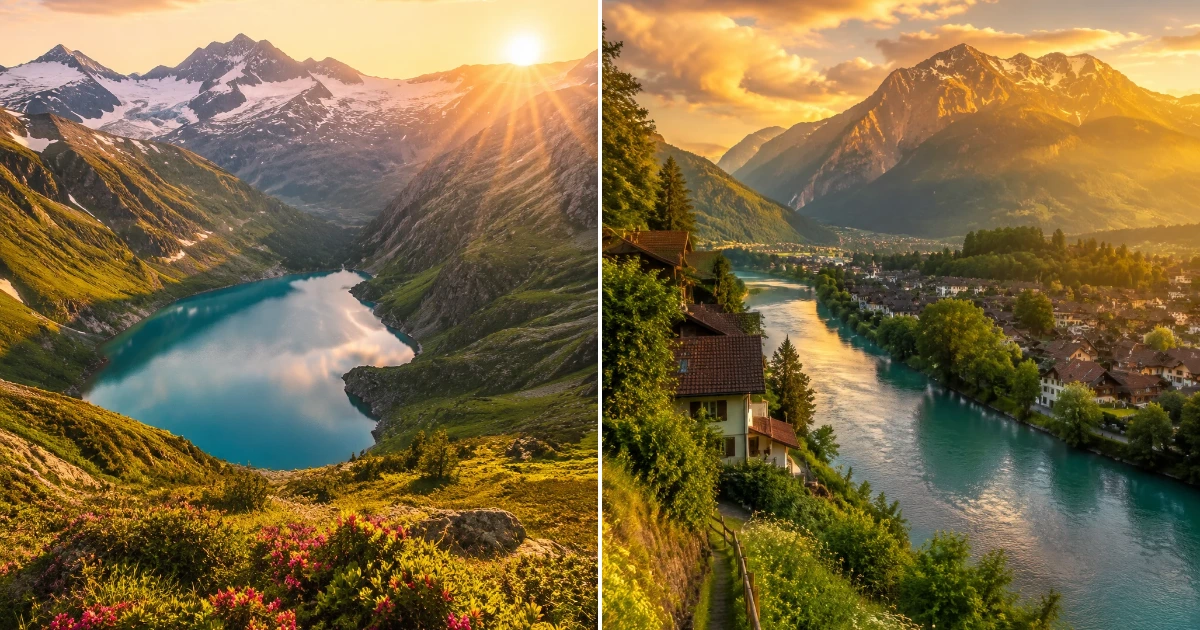
Switzerland Travel Guide: 9 Incredible Experiences You Shouldn’t Miss
Switzerland Travel Guide is a practical resource that helps travelers plan unforgettable adventures across Switzerland by highlighting the country’s top destinations, seasonal tips, transportation, and local experiences.
A Switzerland Travel Guide should inspire you from the very first moment because few countries pack so much scenery, culture, and adventure into such a compact space. Snow-covered peaks, crystal-clear lakes, medieval towns, and world-famous rail journeys all sit within a few hours of each other. Whether you’re dreaming of hiking through alpine meadows, riding panoramic trains, tasting authentic Swiss chocolate, or exploring charming cities, Switzerland offers remarkable experiences in every season. This Switzerland Travel Guide covers the essential places, realistic budgets, insider tips, and smart planning advice that help you maximize every day. Ready to see why millions of travelers return again and again? Your unforgettable Swiss adventure starts right here.
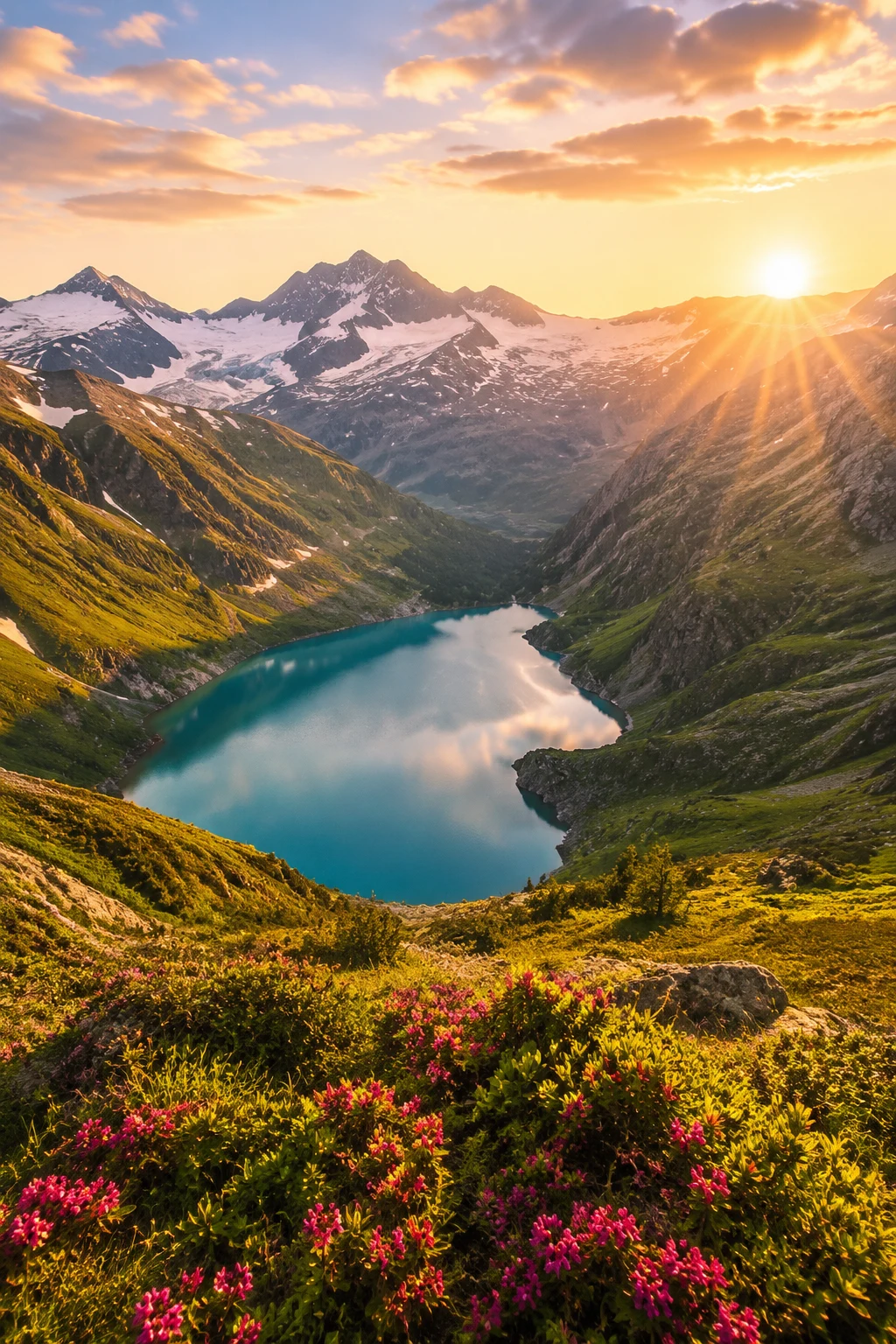
1. Experience the Magic of Interlaken — Switzerland
No Switzerland Travel Guide feels complete without Interlaken, one of the country’s most popular adventure hubs. Surrounded by Lake Thun, Lake Brienz, and the towering Eiger, Mönch, and Jungfrau mountains, this town makes an excellent base for exploring the Bernese Oberland.
Expect to spend around CHF 150–250 per day for comfortable travel, including accommodation, meals, and activities. Visit between May and October for hiking or during December through March for snow sports. Don’t miss the funicular to Harder Kulm, where panoramic mountain views stretch for miles.
The key to this experience is staying at least two nights so you can combine mountain excursions with relaxing lakeside walks.
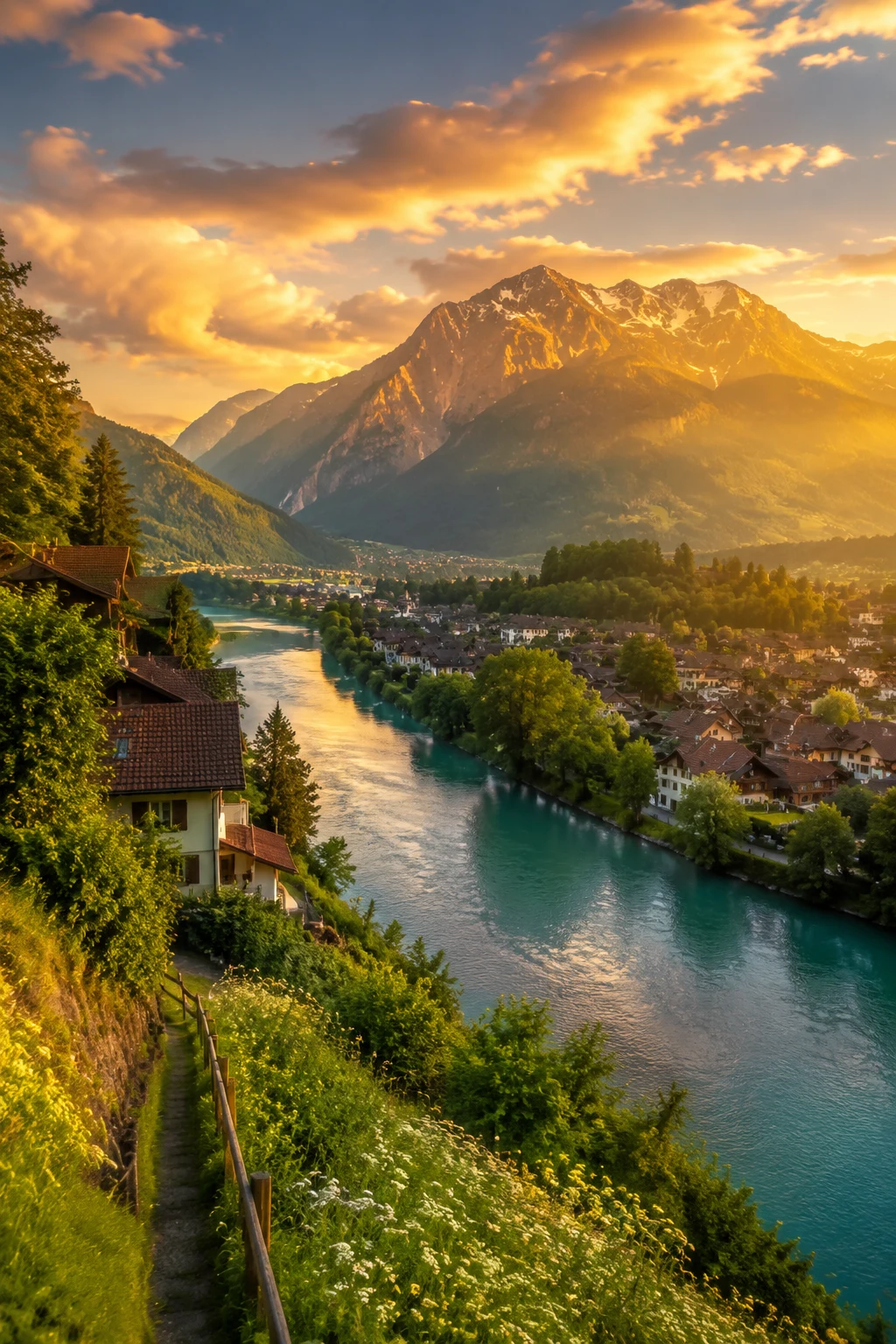
2. Ride the Glacier Express — Switzerland
Switzerland Travel Guide Tip: Switzerland’s Most Scenic Train
The Glacier Express links Zermatt and St. Moritz across nearly eight hours of spectacular alpine scenery. Large panoramic windows showcase mountain villages, deep valleys, forests, and dramatic bridges throughout the journey.
Tickets start around CHF 52, while seat reservations cost extra depending on the season. Booking several months ahead during summer is highly recommended because seats often sell out quickly. Pack snacks, charge your camera, and sit on the right side when traveling from Zermatt for some especially memorable mountain views.
The key to this experience is treating the train ride as the attraction instead of simply transportation.
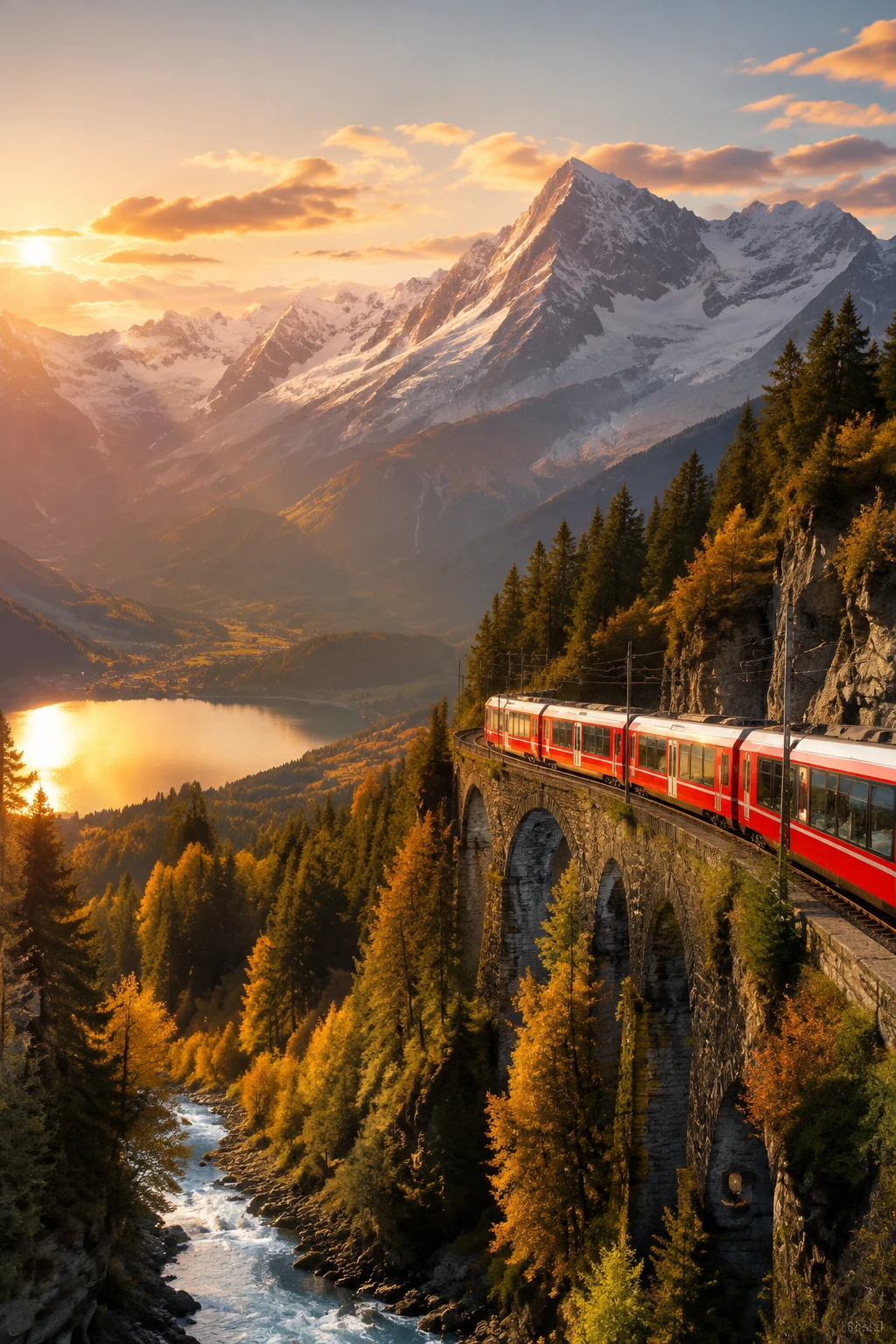
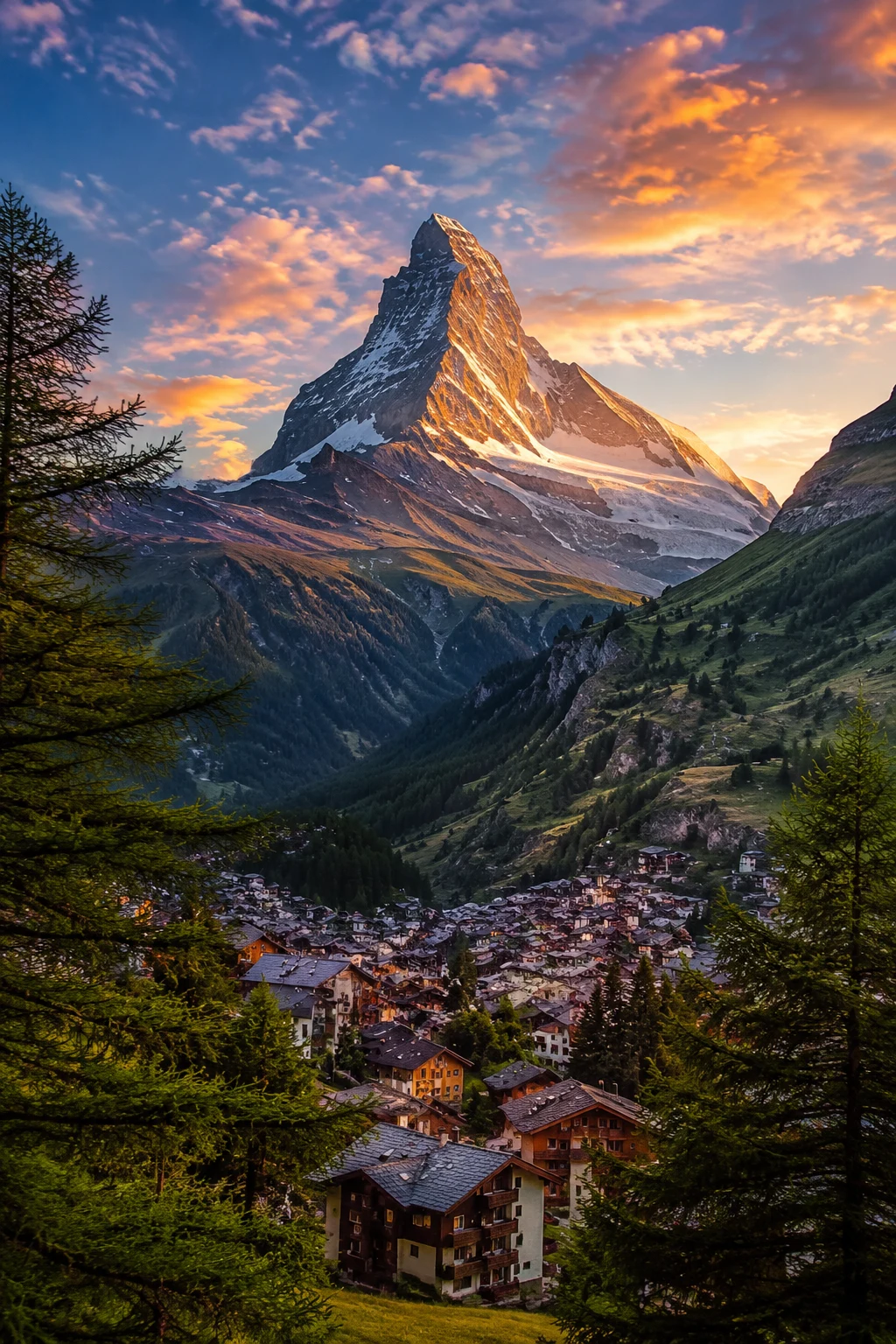
3. Visit Zermatt and the Matterhorn — Switzerland
The iconic Matterhorn appears on countless postcards for good reason. Arriving in Zermatt, where gasoline-powered cars are not allowed, immediately creates a peaceful alpine atmosphere.
Ride the Gornergrat Railway for unforgettable views or head up to Matterhorn Glacier Paradise, Europe’s highest cable car station. Summer visitors enjoy hiking trails bursting with wildflowers, while winter attracts skiers from around the world. Budget around CHF 90–150 for mountain transportation depending on your chosen lifts.
The key to this experience is starting your mountain excursion early before afternoon clouds roll across the peaks.
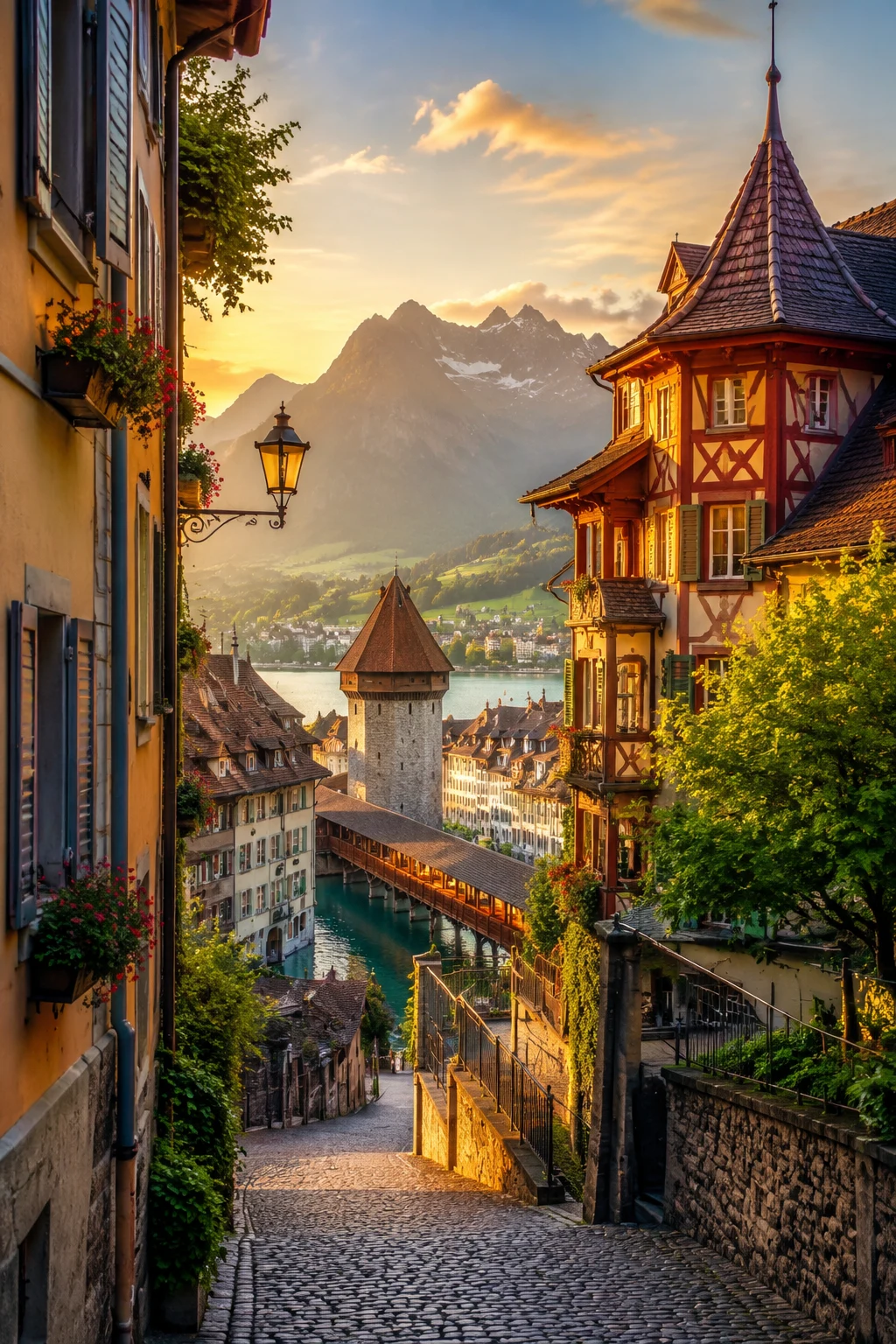
4. Explore Lucerne’s Storybook Streets
Switzerland Travel Guide Favorite City Break
Lucerne combines history, culture, and natural beauty in one walkable destination. The famous Chapel Bridge (Kapellbrücke), dating back to the 14th century, remains one of Switzerland’s most photographed landmarks.
Spend time along Lake Lucerne, browse local boutiques, and sample authentic Swiss specialties like cheese fondue and rösti. A day pass for local attractions and boat rides can deliver excellent value, especially during summer.
The nearby Mount Pilatus and Mount Rigi offer easy day trips with spectacular viewpoints that remain accessible using Switzerland’s efficient transport network.
The key to this experience is combining city exploration with one nearby mountain excursion.
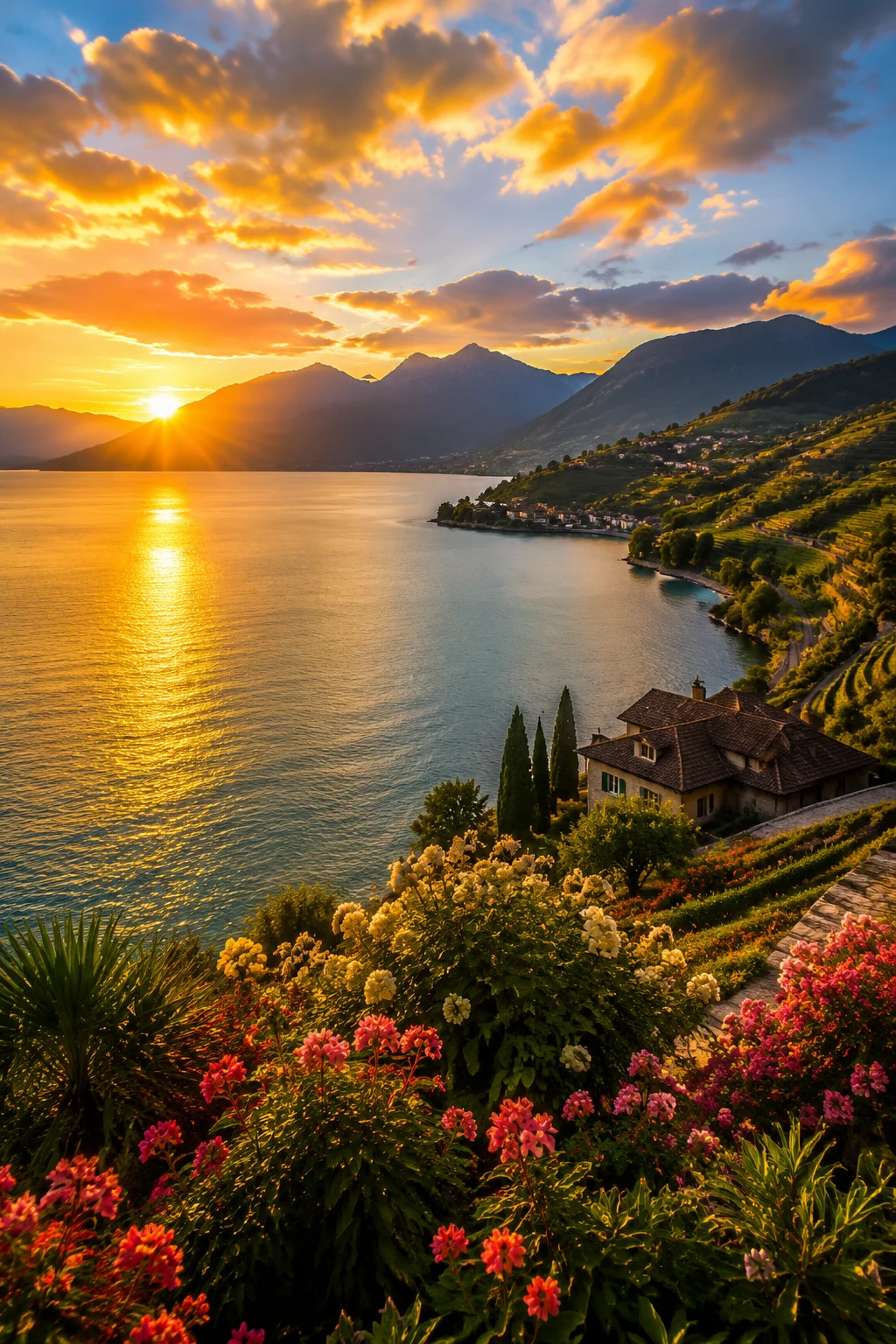
5. Discover the Beauty of Lake Geneva
A well-rounded Switzerland Travel Guide should include western Switzerland, where Lake Geneva offers a completely different atmosphere from the Alps. The lakeside cities of Geneva, Lausanne, and Montreux each showcase unique personalities.
Spring and early autumn provide pleasant temperatures for lakeside walks, vineyard visits, and boat cruises. The Lavaux Vineyards, recognized as a UNESCO World Heritage Site, stretch across scenic terraces overlooking the water.
Boat tickets vary by distance, generally costing CHF 20–60, while vineyard tastings often begin around CHF 25.
The key to this experience is slowing down and enjoying Switzerland’s lakes as much as its mountains.
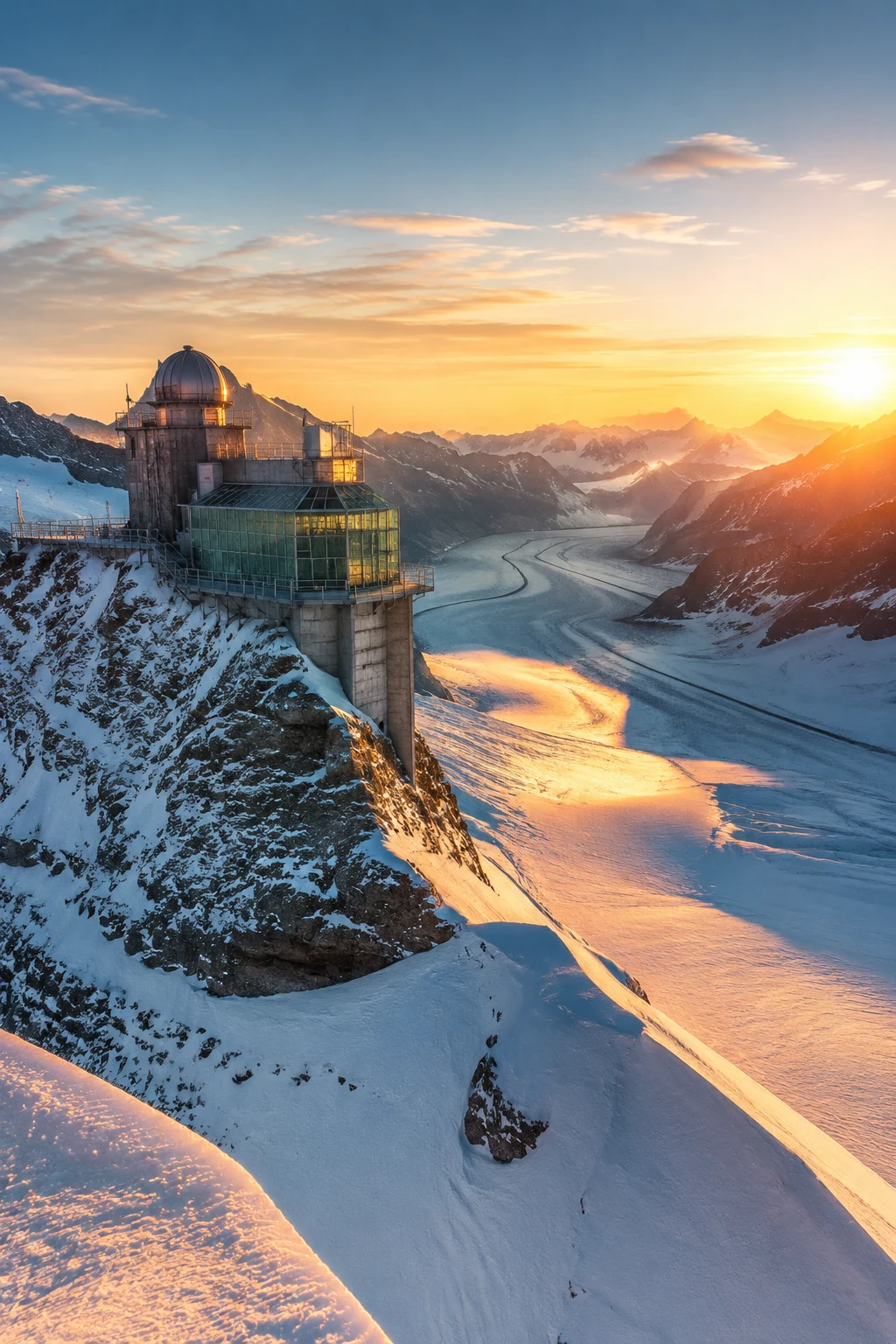
6. Stand on Top of Jungfraujoch
Switzerland Travel Guide for Mountain Lovers
Nicknamed the Top of Europe, Jungfraujoch reaches 3,454 meters above sea level. The journey itself, traveling through tunnels carved into the mountains, becomes part of the adventure.
Tickets usually range between CHF 150–230, although travel passes can reduce the overall cost. Clear mornings often provide the best visibility, making early departures worthwhile. Dress warmly even during summer because temperatures remain low year-round.
One fascinating credibility signal is that Jungfraujoch hosts Europe’s highest railway station, making it one of Switzerland’s most remarkable engineering achievements.
The key to this experience is checking weather forecasts carefully before booking your excursion.
7. Taste Swiss Chocolate and Cheese
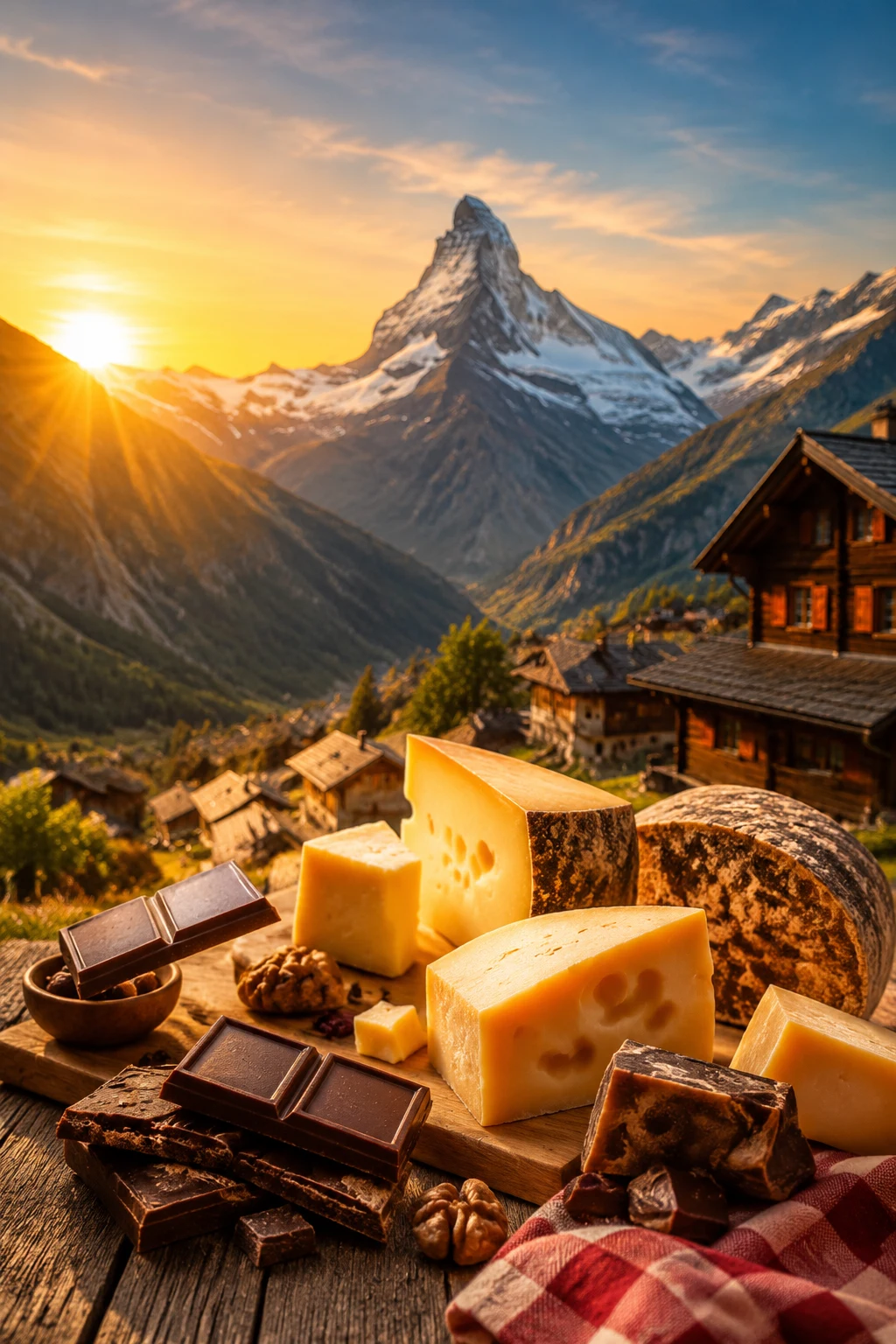
Traveling through Switzerland without sampling local food means missing a huge part of the culture. Visit chocolate makers such as Maison Cailler in Broc, where interactive exhibits explain chocolate production from cocoa bean to finished bar.
Pair your sweet treats with traditional Gruyère cheese, produced in the nearby region. Cheese factory tours generally cost around CHF 7–15, while chocolate experiences often start near CHF 15–20.
Markets, mountain restaurants, and village festivals also provide opportunities to discover seasonal specialties made by local producers.
The key to this experience is tasting regional specialties where they are produced rather than only buying souvenirs in tourist shops.
8. Explore Bern’s Historic Old Town
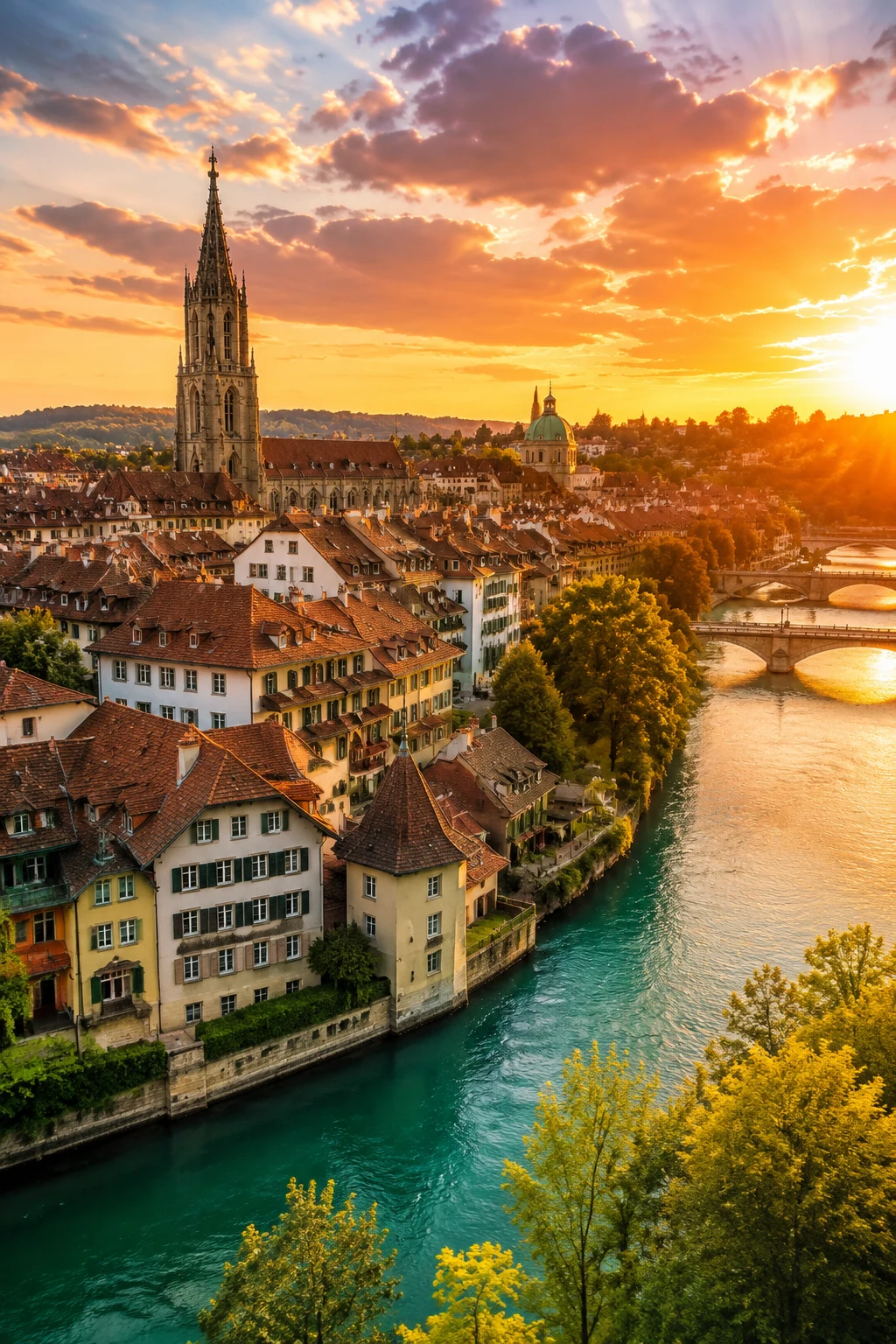
Switzerland’s capital surprises many first-time visitors. Bern’s Old Town, another UNESCO World Heritage Site, features medieval arcades, sandstone buildings, and colorful fountains stretching through the city center.
Visit the famous Zytglogge Clock Tower, stroll beside the Aare River, and browse independent bookstores and cafés tucked beneath covered walkways. Most major attractions remain within walking distance, making Bern one of Switzerland’s easiest cities to explore without public transport.
An afternoon picnic beside the river offers an affordable break from sightseeing while locals swim during the warmer months.
The key to this experience is exploring slowly because Bern rewards curious travelers who wander beyond the main streets.
9. Master Switzerland’s Rail Passes
A smart Switzerland Travel Guide always includes transportation advice because trains connect nearly every corner of the country with impressive punctuality.
The Swiss Travel Pass offers unlimited travel on most trains, buses, and boats while including entry to many museums. Depending on your itinerary, it often provides better value than buying individual tickets. Multi-day passes begin around CHF 244 for adults, though prices vary by duration.
Download the official transport app before arriving. It provides live schedules, platform updates, and route planning that make traveling remarkably simple.
The key to this experience is planning your longest travel days around your pass to maximize savings.
FAQ
What is the best time to follow a Switzerland Travel Guide?
The best time depends on your interests. June through September suits hiking and sightseeing, while December through March is ideal for skiing, festive Christmas markets, and snowy alpine landscapes.
How much does a trip to Switzerland usually cost?
A comfortable mid-range traveler typically spends CHF 180–300 per day, including accommodation, transportation, meals, and attractions. Careful planning and rail passes can reduce transportation costs.
Why should travelers use trains instead of renting a car?
Switzerland’s rail network reaches most major attractions efficiently, eliminates parking concerns, and allows travelers to enjoy panoramic scenery instead of focusing on driving mountain roads.
📚 You Might Also Like
- Switzerland travel tips: 11 Incredible Tips for 2026
Modifier Switzerland Travel Tips: 7 Smart Secrets for an Unforgettable Alpine Adventure Switzerland…
- Best Places to Travel in Europe Top Destinations to Visit
Planning a trip to Europe is exciting. You can explore the Mediterranean’s beaches or the Alps…
The Bottom Line
A memorable Switzerland Travel Guide goes far beyond famous mountain photos. It combines breathtaking rail journeys, vibrant cities, peaceful lakes, authentic food, and unforgettable alpine adventures into one seamless itinerary. Whether you’re watching sunrise over the Matterhorn, cruising across Lake Geneva, exploring Bern’s medieval streets, or enjoying fresh chocolate in Broc, every destination adds another remarkable chapter to your journey. Plan ahead, travel by train whenever possible, and give yourself enough time to experience each region without rushing. Switzerland rewards curious travelers who slow down, look around, and embrace every spectacular view. Once you visit, you’ll understand why so many people start planning their next Swiss adventure before the first one even ends.
🛍️ Shop the Look — Switzerland Travel Guide
Our handpicked Amazon picks curated specifically for Switzerland Travel Guide:
As an Amazon Associate I earn from qualifying purchases.
