

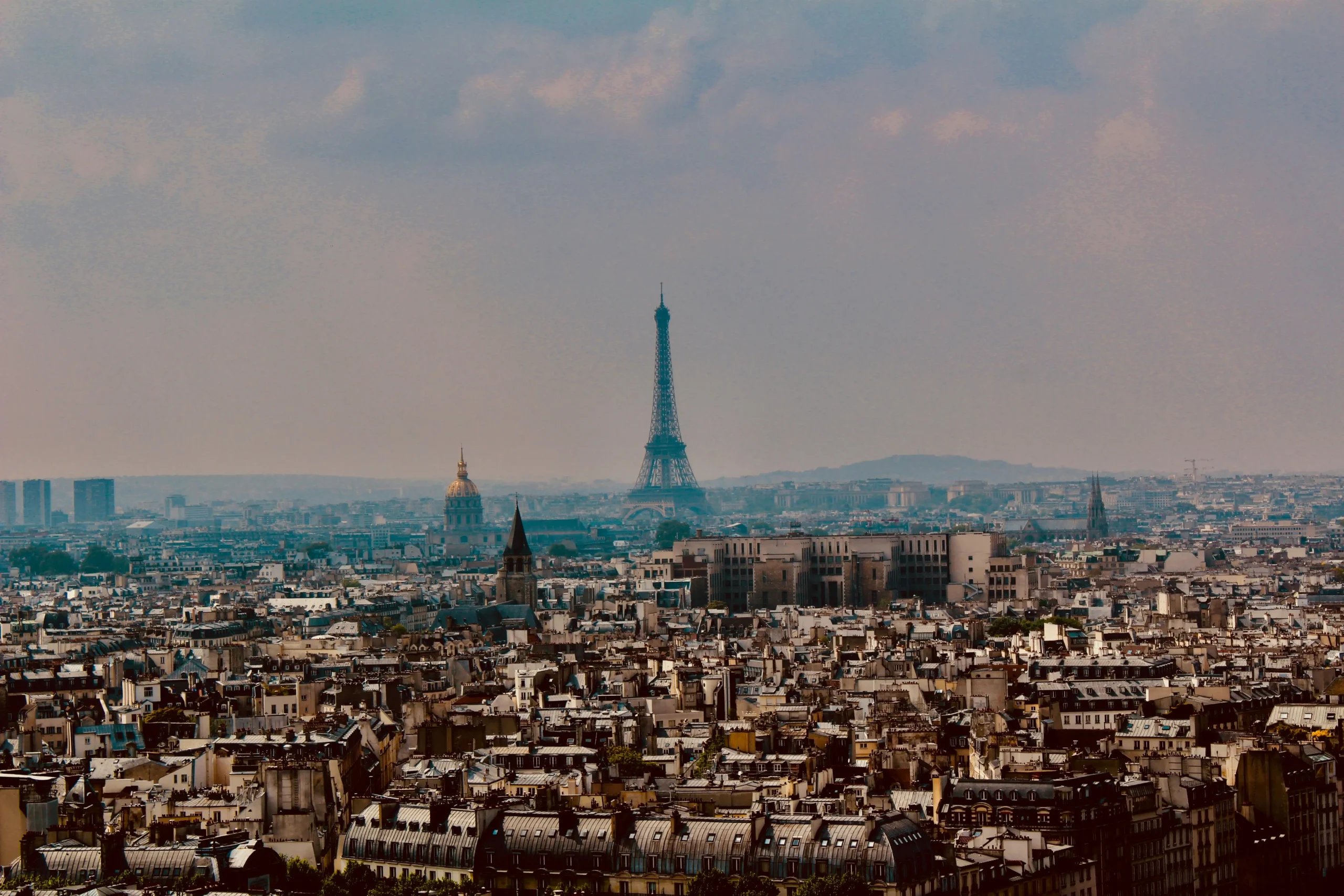
Europe rewards curiosity. Cities sit a short train ride apart, coastlines meet mountains, and every corner serves a different take on art, food, and living well. Whether you chase modern architecture, medieval lanes, or lunar landscapes, the following itinerary ideas highlight some of the best places to travel in Europe, mixing icons with fresh angles that never feel stale.
Ready for a plan that balances famous sights with scenes that feel personal?
A quick snapshot of standout stops
| Destination | Best for | Ideal time | Signature experience |
|---|---|---|---|
| Paris, France | Art, dining, gardens | Apr–Jun, Sep–Oct | Twilight stroll along the Seine |
| Rome, Italy | Ancient history, street life | Mar–May, Oct–Nov | Golden hour at the Forum |
| Barcelona, Spain | Design, nightlife, beaches | May–Jun, Sep–Oct | Gaudí morning, tapas evening |
| Lisbon, Portugal | Views, music, seafood | Mar–Jun, Sep–Nov | Tram ride to miradouros |
| Amsterdam, Netherlands | Canals, cycling, museums | Apr–Jun, Sep | Canal cruise at dusk |
| Prague, Czechia | Gothic charm, beer culture | Apr–Jun, Sep–Oct | Charles Bridge at sunrise |
| Santorini, Greece | Caldera views, wine | May–Jun, Sep | Sunset over Oia |
| Interlaken & Jungfrau, Switzerland | Alpine hikes, lakes | Jun–Sep | Ridge walk with glacier views |
| Dubrovnik, Croatia | Walled city, islands | May–Jun, Sep | City walls loop |
| Reykjavik & South Coast, Iceland | Waterfalls, geothermal sights | Jun–Sep, Feb–Mar | Glacier lagoon drive |
Paris, France: Fresh angles on a classic
Paris rewards anyone who wanders beyond the postcard. Yes, the Louvre and Eiffel Tower still impress, but the rhythm of the city shows in café corners, neighborhood markets, and small galleries tucked along quiet streets.
Trade a packed mid-day museum visit for an early opening or late-night slot. Late evenings on the Left Bank feel relaxed, and you can cover a lot on foot: Saint-Germain to the Île de la Cité, crossing bridges with street music floating over the water.
Try this mix:
- Morning: Musée d’Orsay or Musée de l’Orangerie for a focused art hit
- Lunch: A neighborhood bistro in the 11th or 9th
- Afternoon: Canal Saint-Martin walk, Design shops in Haut Marais
- Evening: Wine bar near Odéon, then a river stroll
When to go: April to June brings blossoms and lively terraces. September and October feel golden and mellow.
Pro tip: Reserve key restaurants two weeks out and use Velib bikes for short hops. A picnic at Luxembourg Gardens can rival any pricey lunch.
Rome, Italy: Layers of time under warm light
History stacks thick in Rome. Ancient stones sit beside Renaissance palazzi, and espresso keeps the pace bright. You can spend an hour at a tiny church and still feel like you saw something rare.
Start early at the Colosseum, then loop through the Forum to Palatine Hill before the crowds grow. Afternoon is for Caravaggio hunts in San Luigi dei Francesi, gelato breaks, and people-watching near Piazza Navona.
Highlights at a relaxed clip:
- Scavi tour beneath St. Peter’s (book well ahead)
- Trastevere lanes and a sunset view from Janiculum Hill
- Testaccio market for a lunch stall crawl
- Appian Way bike ride beside tombs and cypress trees
When to go: March to May and October to November keep temps comfortable and lines shorter.
Pro tip: Stand at the Pantheon’s oculus during a rain shower if you get the chance. It’s unforgettable.
Barcelona, Spain: Color, curves, and late-night plates
Barcelona moves with a playful stride. Gaudí’s lines twist skyward, markets hum, and beaches draw locals for a late-afternoon dip. The whole city feels like it was designed for lingering.
Pace yourself. Book a timed entry for Sagrada Família, then thread through Eixample to see balcony ironwork that turns a regular walk into an open-air gallery. Evenings belong to tapas in El Born or Poble-sec and cava in small glasses.
Plan a balanced day:
- Morning: Sagrada Família and a short stroll in the Hospital de Sant Pau complex
- Midday: La Boqueria snack run or Santa Caterina market bite
- Afternoon: Parc Güell or the waterfront
- Late: Flamenco at a small venue, then pintxos
When to go: May to June and September to October bring warm weather without peak heat.
Pro tip: Montjuïc offers gardens, galleries, and panoramic views without the crush. Ride up by cable car and walk down through green terraces.
Lisbon, Portugal: Hills, tiles, and music at midnight
Lisbon feels like light and tilework. Trams climb steep, narrow streets, rooftops glow in the late sun, and the river sets a calm backdrop. The city is compact enough to feel friendly but layered enough to captivate repeat visitors.
Start with viewpoints. Miradouro da Senhora do Monte and Santa Luzia set the scene, then dive into Alfama’s lanes where fado spills from small doorways at night. Take a day to Belém for custard tarts fresh from the oven and riverside monuments.
Keep it simple:
- Tram 28 ride early to avoid crowds
- LX Factory for design shops and street art
- Time Out Market for a round of shared plates
- Sunset at a rooftop in Bairro Alto
When to go: March to June, September to November offer sunshine and mild breezes.
Pro tip: Wear shoes with grip. Those cobbles can be slick, and hills turn short walks into mini workouts.
Amsterdam, Netherlands: Canals carved for slow travel
Bikes glide by, water reflects tilted gables, and museum quality rivals any major capital. Amsterdam rewards early mornings with mist over canals and late afternoons when the light warms the brick.
Museums deserve a plan. Pair the Rijksmuseum with the Van Gogh Museum on the same day to keep themes connected, then switch gears with a canal cruise near sunset. Jordaan invites you to linger in tiny courtyards and café patios.
A tidy route:
- Morning: Anne Frank House timed entry
- Midday: Herring from a street stand, then Nine Streets shops
- Afternoon: Rijksmuseum or Van Gogh, try one per day
- Evening: Brown café for beer and bitterballen
When to go: April to June for tulips and terrace life. September brings crisp air and fewer lines.
Pro tip: Cycling is wonderful, but watch tram tracks and remember locals ride with intent. Signal clearly and keep to the right.
Prague, Czechia: Gothic drama with modern edge
Prague’s skyline reads like a storybook, making it one of the best places to travel in Europe. Towers and spires rise over a river threaded with stone bridges. Street corners hold absinthe bars, jazz cellars, and design-forward cafes, giving the city a lively pulse after dark.
Beat the midday crowds by crossing Charles Bridge at sunrise. Then climb to the castle complex, linger at St. Vitus Cathedral, and find a quiet spot in the royal gardens. Save your late afternoon for the Old Town’s astronomical clock, then slide into a cellar pub for Czech lagers poured with care.
What to fit in:
- Strahov Library, a jewel box for book lovers
- Lennon Wall and Kampa Island strolls
- Letná Park for the best city view
- Vinohrady for dinner away from the main squares
When to go: April to June and September to October bring crisp light and pleasant temperatures.
Pro tip: Try different beer pours. Hladinka, šnyt, and mlíko offer distinct foam profiles that change flavor and texture.
Another must-read:
Where to go abroad for 3 days?
What is the most fun city in Europe?
Santorini, Greece: Blue domes and quiet corners
That famous caldera curve still stops people in their tracks. Beyond the postcard lies a handful of villages, vineyards, and black-sand beaches that feel perfectly unhurried.
Oia’s sunset draws a crowd, so catch sunrise when streets run empty. Then hike the clifftop trail to Fira with the sea far below and bells ringing across the ridge. Midday belongs to wineries where volcanic soil shapes crisp whites.
Mix your days:
- Morning: Oia streets, then the Fira trail
- Afternoon: Akrotiri archaeological site and Red Beach lookout
- Evening: Seafood at Ammoudi Bay with feet near the water
- Optional: Catamaran cruise inside the caldera
When to go: May to June and September keep weather ideal and ferries frequent.
Pro tip: Stay in Imerovigli for quiet nights and equally grand views.
Interlaken and the Jungfrau Region, Switzerland: Air that tastes like water
Lakes Brienz and Thun bookend Interlaken, while peaks ring the horizon. The valleys around Lauterbrunnen and Grindelwald feel like a painting stitched with waterfalls and flowered chalets.
Pick a base and fan out. Lauterbrunnen gives access to cliffside trails and the Mürren car-free village. Grindelwald works for families with easy lift access to ridge walks. Each day can run gentle or ambitious, with trains and cable cars making it all feel within reach.
Ideas for every pace:
- Easy: Männlichen to Kleine Scheidegg panorama path
- Moderate: Eiger Trail beneath the famous north face
- Relaxed: Boat ride on Lake Brienz to the Giessbach Falls funicular
- Rain plan: St. Beatus Caves or the Ballenberg Open-Air Museum
When to go: June to September for hiking; December to March for snowscapes.
Pro tip: Buy a regional pass to cut costs on lifts and trains. Weather changes fast, so keep a flexible plan and check webcams each morning.
Dubrovnik, Croatia: Stone walls, luminous sea
Set on a cliff-ringed Adriatic shore, Dubrovnik shines in early morning and late evening when stones turn honey-gold. The Old Town is compact, car-free, and packed with nooks that reward stray turns.
Walk the city walls clockwise right after opening. You’ll see terracotta roofs, pocket gardens, and the sea in every direction. Then slip to the backstreets for a quiet coffee and a cool church interior.
Daily flow:
- Morning: Walls walk, then the harbor
- Midday: Lokrum Island swim and picnic
- Afternoon: Cable car to Mount Srđ for the view
- Evening: Fresh fish and a glass of Pošip by the water
When to go: May to June and September bring prime swimming weather with manageable crowds.
Pro tip: A sea kayak at sunset shows the city’s stone silhouette from the best angle.
Reykjavik and Iceland’s South Coast: Raw elements on display
Iceland feels otherworldly in the best way. Waterfalls roar, steam rises from the earth, and black-sand beaches stretch under moody skies. Reykjavik sets a cheerful base with colorful houses and lively dining.
Aim your rental car south. Stop at Seljalandsfoss and Skógafoss, then move to Reynisfjara’s basalt stacks and Dyrhólaey’s cliffs. Push on to Jökulsárlón, where icebergs drift past on their break from the glacier.
A tidy 2–3 day loop:
- Day 1: Reykjavik coffee crawl, Hallgrímskirkja, and a geothermal soak
- Day 2: Waterfalls and black sands near Vík
- Day 3: Glacier lagoon and Diamond Beach, then back toward the city
When to go: June to September for long days and safer driving. Late winter offers northern lights if skies cooperate.
Pro tip: Weather swings are real. Pack layers, keep your tank above half, and follow beach safety signs without exception.
Pairing ideas for smart routes
European distances can be short, and trains make pairing cities easy. Here are combinations that fit well without long transfers:
- Paris + Amsterdam: High-speed rail under 3.5 hours
- Barcelona + Lisbon: A short flight, contrasting flavors
- Rome + Dubrovnik: Fly between them, then add a day in Naples if time allows
- Prague + Interlaken: Overnight train or daytime hop via Zurich for variety
- Santorini + Athens: Ferries in summer, quick flight year-round
- Reykjavik as a standalone: Book a stopover en route across the Atlantic
How to time it right
Picking the right month can turn a good trip into a great one. When considering the best places to travel in Europe, weather ties closely to crowd levels and costs, yet each place shines in more than one season.
- Spring: Blossoms in Paris and Amsterdam, mild days in Rome and Lisbon, ideal for walking cities
- Summer: Alpine trails open, Greek islands hit their stride, long days in Iceland
- Early fall: Warm seas on the Adriatic, harvest vibes in Portugal and Spain, crisp air across Central Europe
- Winter: Christmas markets in Prague, cozy cafes in Amsterdam, northern lights seasons in Iceland
A flexible plan handles surprises. Build in one buffer day for weather or rest, and you’ll thank yourself later.
Budget ideas without cutting quality
You can keep standards high and still spend wisely.
- Lunch as the main meal: Many bistros run prix-fixe menus midday that beat dinner prices
- City passes: Museum clusters in Paris, Amsterdam, and Rome often sit under a single pass
- Transit cards: Unlimited day passes free you to hop without second thoughts
- Picnics: Markets in Lisbon, Paris, and Barcelona turn simple produce into memorable meals
- Free viewpoints: Janiculum Hill in Rome, Letná Park in Prague, and many Lisbon miradouros cost nothing
Small luxuries go far: a view at breakfast, a well-located hotel, or one special dinner reservations can anchor the entire trip.
Practical planning playbook
A few guidelines save time and keep the mood light.
- Book anchors first: Flights, one or two special restaurants, and headline attractions with timed entry
- Keep transfers short: Two to four hours by train keeps energy up
- Pack layers: A light rain shell, scarf, and comfortable shoes work in every city listed here
- Stash digital copies: IDs, tickets, and insurance on cloud storage for quick access
- Roaming and maps: Offline maps reduce stress in old towns with tight alleys
- Local courtesy: A few phrases in the local language and clear signals on bikes or in queues earn smiles
Health and safety remain straightforward: drink tap water in most places listed, mind pickpockets in crowded areas, and use ATMs attached to banks.
A 12-day sample shaped for variety
This outline moves at a measured pace while offering genuine range.
- Day 1–3: Paris. Focus on one major museum day and lots of walking
- Day 4–5: Amsterdam. Canals, bikes, and art
- Day 6–7: Prague. Sunrise bridge walk, castle complex, parks
- Day 8–9: Rome. Ancient core early, neighborhoods late
- Day 10–12: Barcelona. Gaudí day, market grazing, and a coastal afternoon
Swap Prague for Lisbon if you want Atlantic views and warmer nights. Shift Barcelona to the front if your return flight leaves from Paris and you want high-speed rail back to your starting point.
A final nudge to personalize the map
No two trips feel the same, and that’s the best part. Pick three anchors, leave a few open windows, and let local conversations steer you toward places you didn’t plan on. A street musician, a bartender’s suggestion, a sudden clear sky over a hilltop park. Those moments give Europe its spark.
Keep your eyes open, your schedule light, and your shoes ready. The rest falls into place.
FAQ about the Best Places to Travel in Europe
Exploring Europe is a journey through diverse cultures, stunning landscapes, and historical depth. Here are answers to some common questions about traveling across this vibrant continent.
What is the best time to visit Europe?
Spring (April to June) offers mild weather. Early fall (September to October) is ideal for pleasant temperatures and fewer tourists. Summer suits beachgoers, while winter charms with Christmas markets.
How can I save money while exploring Europe?
Enjoy prix-fixe lunch menus, use city and transit passes, and have picnics with market produce. Book accommodations with included breakfasts and seek out free viewpoints.
How many destinations should I visit in a single trip?
Aim for 3 to 5 cities to balance depth with variety. Allow for buffer days to adapt to weather changes or unexpected discoveries.
Is it better to travel by train or plane between European cities?
Trains are often a scenic and time-efficient option for journeys under four hours. For longer distances, flights might save time, especially with budget airlines.
What cultural practices should I be aware of when visiting Europe?
Greetings with a local language phrase and observing queuing etiquette are appreciated. Be mindful of traffic rules when cycling, especially in cities like Amsterdam.
What should I pack for a European adventure?
Pack layers including a light rain jacket, comfortable walking shoes, and a scarf. Prepare for varying climates by having both warm and lightweight clothing options.
Are there any health and safety tips for travelers in Europe?
Drink tap water, be vigilant in crowded areas for pickpockets, and use ATMs at banks. Carry digital copies of important documents for emergencies.
