


Do I Need Travel Insurance to Enter Costa Rica is a common question for travelers planning a trip to this beautiful Central American destination. While Costa Rica no longer requires mandatory travel insurance for entry, having coverage is highly recommended to protect yourself against unexpected medical costs, trip cancellations, or emergencies during your stay. With its adventure-filled activities, from rainforest hikes to surfing and zip-lining, travel insurance offers peace of mind so you can fully enjoy your Costa Rica vacation.
Short answer: no, you do not currently need travel insurance to enter Costa Rica. Border officials do not ask for it, and there is no nationwide rule requiring proof of a policy for tourists.
That said, plenty of travelers still buy it. Medical care for visitors is pay-first in many cases, evacuation can be very expensive, and active trips in rainforests, coastlines, and mountains come with real risk. A modest policy can turn a worst-case scenario into a manageable hiccup.
Let’s sort the entry rules from the smart-to-have extras, then get practical about what coverage actually helps in Costa Rica.
What Costa Rica really requires at the border
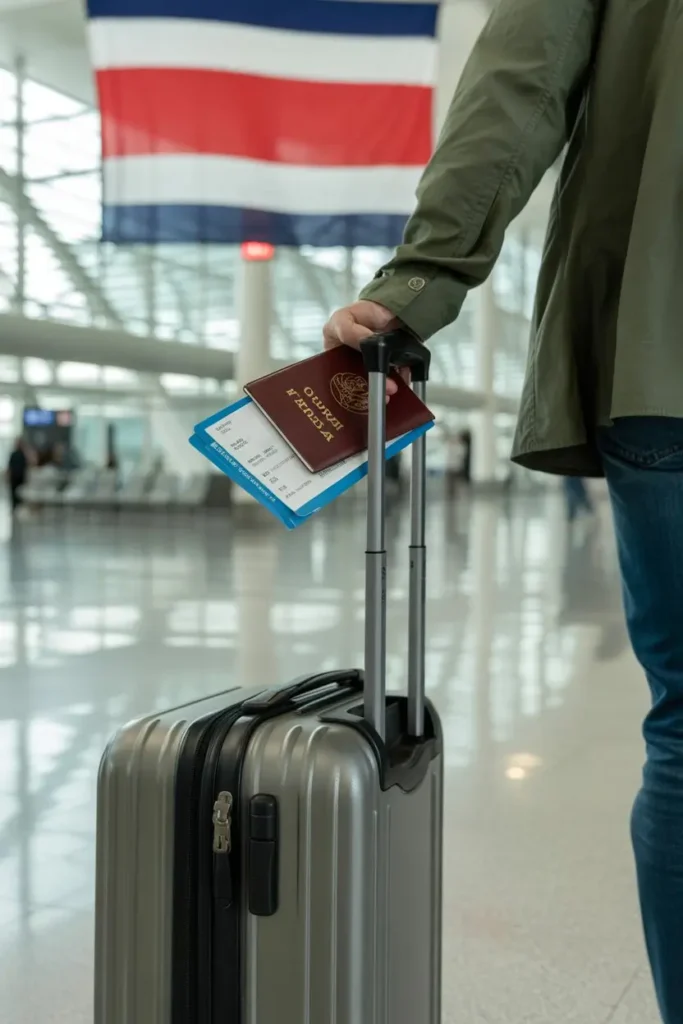
Immigration rules are straightforward and focus on identity, visa status, and your plan to leave.
- A valid passport. Most nationalities need at least one day of validity beyond your intended stay, though six months is a safer cushion.
- Proof of exit. A return ticket or onward travel within the period allowed by your visa-free entry or visa.
- Visa, if your nationality needs one. Many visitors get visa-free entry for 30 to 90 days, depending on passport.
- Proof of funds. Rarely requested, but officials can ask.
- Yellow fever vaccination certificate if you are arriving from, or transiting through, a country with risk of yellow fever transmission.
Here is a quick snapshot you can save:
| Item | Required for entry | Notes |
|---|---|---|
| Travel insurance | No | Strongly recommended for medical, evacuation, and trip protection |
| Passport | Yes | Keep at least 6 months validity to avoid airline pushback |
| Proof of exit | Yes | Print or have a digital copy handy at immigration |
| Visa | Depends on nationality | Many passport holders receive a tourist stay on arrival |
| Funds | Possibly | Rarely checked; be prepared to show a card or cash |
| Yellow fever certificate | Conditional | Needed if coming from specified countries in South America or Africa |
Rules change, and airlines enforce them at check-in. A quick check with your embassy or Costa Rica’s immigration authority before you fly is wise.
Why travel insurance still makes sense
Costa Rica welcomes outdoor enthusiasts. That’s part of the charm. Zip lines, surf breaks, river rafting, cloud forests, volcano hikes, ATV trails, and backroads that turn to mud after a tropical downpour. Fun, but not risk-free.
Medical care is solid in major cities. San José has excellent private hospitals. Outside urban centers, clinics handle routine care and stabilize emergencies. Nearly all private facilities expect payment before treatment from foreign visitors. If you need an air ambulance to another country, the bill can rival the cost of a new car.
A policy that costs a few dollars a day can cover five and six-figure surprises.
What good coverage usually includes
- Emergency medical expenses
- Medical evacuation to a suitable facility
- Trip cancellation and interruption
- Trip delay and extra lodging
- Baggage loss, theft, and delay
- Adventure sports add-on for activities that are often excluded
- Rental car damage, when paired correctly with local requirements
- 24-hour assistance to arrange care and transport
What coverage amounts make sense
You do not need a luxury plan, but you do want strong medical and evacuation limits. Theft and delay benefits are nice to have, not the core.
| Coverage type | Suggested minimum for Costa Rica | Why it matters |
|---|---|---|
| Emergency medical | 100,000 to 250,000 USD | Private hospital care and surgery are costly for visitors |
| Medical evacuation | 250,000 to 500,000 USD | Air ambulance to the U.S. or another country can be very expensive |
| Trip cancellation | Value of your prepaid nonrefundable trip | Protects deposits for lodges, tours, and domestic flights |
| Trip interruption | 150 percent of trip cost | Covers extra return airfare and unused portions if you must go home early |
| Baggage loss | 1,000 to 3,000 USD | Theft of electronics and cameras is not rare in tourist areas |
| Baggage delay | 100 to 300 USD per day | Helps with clothing and essentials if bags miss connections |
| Travel delay | 150 to 250 USD per day | Covers hotels and meals during weather or mechanical delays |
| Personal liability | 100,000 USD or more | Useful but not a substitute for car rental liability required locally |
Many policies bundle these. Look closely at the exclusions and sublimits, especially for electronics, sports gear, and valuables.
What changed since the pandemic
During the height of COVID rules, Costa Rica temporarily asked visitors to carry insurance that covered quarantine and medical care. That requirement ended in 2022. There is no COVID-specific entry mandate today.
Most mainstream policies now treat COVID like any other covered illness. If you would cancel or interrupt for a covered reason, COVID generally qualifies. Quarantine coverage is less common, so read the definitions for trip delay and interruption. If you test positive and need extra lodging, those benefits can help if your policy lists it as a covered event.
About renting a car and insurance
This is where confusion often starts. Travel insurance and car rental insurance are not the same thing.
In Costa Rica:
- Third-party liability insurance on rental cars is mandatory. This protects other people and property if you cause an accident. It is usually sold by the rental agency and cannot always be waived.
- Collision damage waiver (CDW) may be waived if your credit card offers primary coverage and the rental company accepts it. Bring a letter from your card issuer that names Costa Rica and spells out coverage.
- Roadside realities include potholes, gravel, river crossings in rural areas, and tight urban parking. A small scrape can trigger large bills without the right coverage.
Travel insurance sometimes includes rental car damage, but it rarely satisfies Costa Rican liability requirements. Treat rental coverage as a separate checklist item and confirm the exact terms with your chosen agency before you land.
Adventure sports and activity exclusions
A classic gotcha. Standard policies often exclude injuries from certain activities. Depending on the insurer, exclusions may include:
- Whitewater rafting beyond a certain class
- Scuba diving without certification or below specified depths
- Zip lining, canyoning, or rappelling
- Paragliding and parasailing
- Motorcycles and ATVs
- High-altitude trekking near volcanoes
- Surfing competitions or instruction beyond casual lessons
Look for an “adventure sports” or “sports rider” add-on. If it lists your activities, you are set. If it does not, find a policy that does. Ask tour operators about their own liability cover and licensing, and keep receipts and waivers in case a claim needs them.
Preexisting conditions, age, and special cases
Policies treat preexisting medical conditions in different ways. If this matters to you:
- Buy shortly after your first trip payment to qualify for a waiver period. Many insurers offer coverage for preexisting conditions if you purchase within 10 to 15 days of your initial deposit.
- Keep medications in original containers and bring a summary from your physician. A one-page letter with diagnoses, prescriptions, and contraindications helps doctors if you seek care.
- Pregnancy, mental health, and dental emergencies sit in gray zones in many policies. Read those sections carefully and consider higher medical limits if any of these apply.
Families traveling with children often find that kids are covered at reduced or no extra cost when added to a parent’s plan. Check the age limits and proof requirements.
How to buy and when
You have three main paths, each with tradeoffs.
- Standalone policy from a travel insurer or marketplace. Usually the best mix of benefits and price. Lets you compare medical and evacuation limits directly.
- Credit card travel protections. Great for delay, interruption, and baggage when you pay for the trip with the card. Not a replacement for strong medical or evacuation coverage.
- Airline or tour upsell. Convenient, but terms vary and medical limits may be low.
Timing matters:
- Buy within two weeks of your first payment if you want preexisting condition waivers and the widest cancellation protections.
- If you only care about medical and evacuation, you can purchase closer to departure. Just confirm there are no waiting periods for illness coverage.
What it costs
Prices vary by age, trip price, duration, and benefits. Ballpark estimates per traveler:
- Medical only: 4 to 8 USD per day
- Mid-level trip protection with solid medical and evacuation: 4 to 7 percent of trip cost
- Higher-end plans with cancel for any reason: 8 to 12 percent of trip cost
Older travelers pay more. Children added to an adult policy may cost little or nothing. Adventure sports riders add a modest premium.
How claims really work
Claims succeed when documentation is strong and timelines are met. A few habits help:
- For theft, file a local police report within 24 hours and get a copy. Insurers usually require this.
- For medical care, contact the insurer’s assistance team before treatment when practical. They can issue a guarantee of payment to certain hospitals, which prevents large out-of-pocket charges.
- Keep receipts for everything: taxis to clinics, pharmacy items, hotel nights during delay, and meal costs up to the per-day cap.
- Ask providers to include diagnosis codes and detailed invoices. A one-line receipt rarely suffices.
- Submit forms promptly, and keep copies of all materials you send.
Hospitals and clinics in San José and the Central Valley are accustomed to working with foreign insurers. In beach towns and rural areas, expect to pay with a card and file for reimbursement later unless your insurer has a direct-pay arrangement.
A few smart extras to consider
- Cancel for any reason. Offers the widest cancellation window, typically reimbursing 50 to 75 percent of nonrefundable costs. You must buy early and insure the full trip cost.
- Primary medical coverage. More convenient than secondary coverage, which requires you to file with your home health insurer first.
- Higher baggage limits for photographers and surfers with expensive gear. Read sublimits on electronics and specialty equipment.
- Annual multi-trip plan if you visit Latin America often. Cheaper per day and easier to manage, but watch trip-length caps.
Practical entry and insurance checklist
- Passport valid for at least six months, plus two spare passport-style photos in case of replacement needs
- Return or onward ticket saved offline
- Proof of yellow fever vaccination if your route requires it
- Digital and printed copies of your travel insurance certificate, plus the 24-hour assistance number
- A one-page medical summary and copies of prescriptions
- A credit card with a high enough limit to handle car rental holds
- If renting a car, a printed letter from your credit card issuer describing rental coverage in Costa Rica, and confirmation of the agency’s liability requirements
- Contact numbers for your hotel, tour operators, and airline saved locally on your phone
- Cloud backup of key documents, with offline access enabled
Frequently asked questions
Do border officers ask for proof of insurance? No. You will not be denied entry for lack of travel insurance.
Will adventure tours ask for proof of insurance? Sometimes high-risk operators prefer guests to have coverage, and some may include their own liability. Ask ahead.
Can I buy a policy after I land? Yes for medical-only plans, often with instant coverage, but cancellation benefits usually require early purchase.
Does my U.S. health plan cover me in Costa Rica? Some do for emergencies, many do not, and almost none include evacuation. Even if you have partial coverage, private hospitals may still ask for direct payment from you. Travel insurance fills those gaps and coordinates care.
Is cash needed for medical care? Major clinics and hospitals accept cards, yet some ask for deposits upfront. Assistance teams often resolve this quickly with a guarantee of payment.
Putting it all together
You can enter Costa Rica without travel insurance. You cannot guarantee that a twisted ankle on a jungle trail or a missed connection during storm season will be cheap or simple.
If you like a calm mind, buy a policy with strong medical and evacuation limits, confirm any sports you plan to do, sort out car rental insurance separately, and keep your documents handy. The rest of your attention can stay on monkeys in the trees, coffee in the morning, and sunset surf.
Frequently Asked Questions About Travel Insurance for Costa Rica
Travelers often have questions about the necessity and benefits of travel insurance when visiting Costa Rica. Below are concise answers to common queries to guide you on your journey.
Do I need travel insurance to enter Costa Rica?
No, travel insurance is not required for entry but is strongly recommended for unforeseen events, especially medical emergencies.
Will I be asked for proof of insurance at the border?
No, border officials do not request proof of travel insurance.
Should I have adventure sports coverage?
Yes, if you plan on participating in activities like zip lining or scuba diving, ensure your policy includes an adventure sports add-on.
Can I buy a travel insurance policy after arriving in Costa Rica?
Yes, you can purchase a medical-only plan upon arrival, but trip cancellation benefits typically require an early purchase.
Does my existing health insurance cover me in Costa Rica?
Check your policy specifics, as most U.S. health plans do not cover international medical or evacuation expenses.
Is card payment accepted for medical services in Costa Rica?
Yes, major clinics and hospitals do accept credit cards, but some may require upfront deposits.
What’s the advantage of buying travel insurance early?
Early purchase can offer benefits like coverage for preexisting conditions and broader trip cancellation options.
