

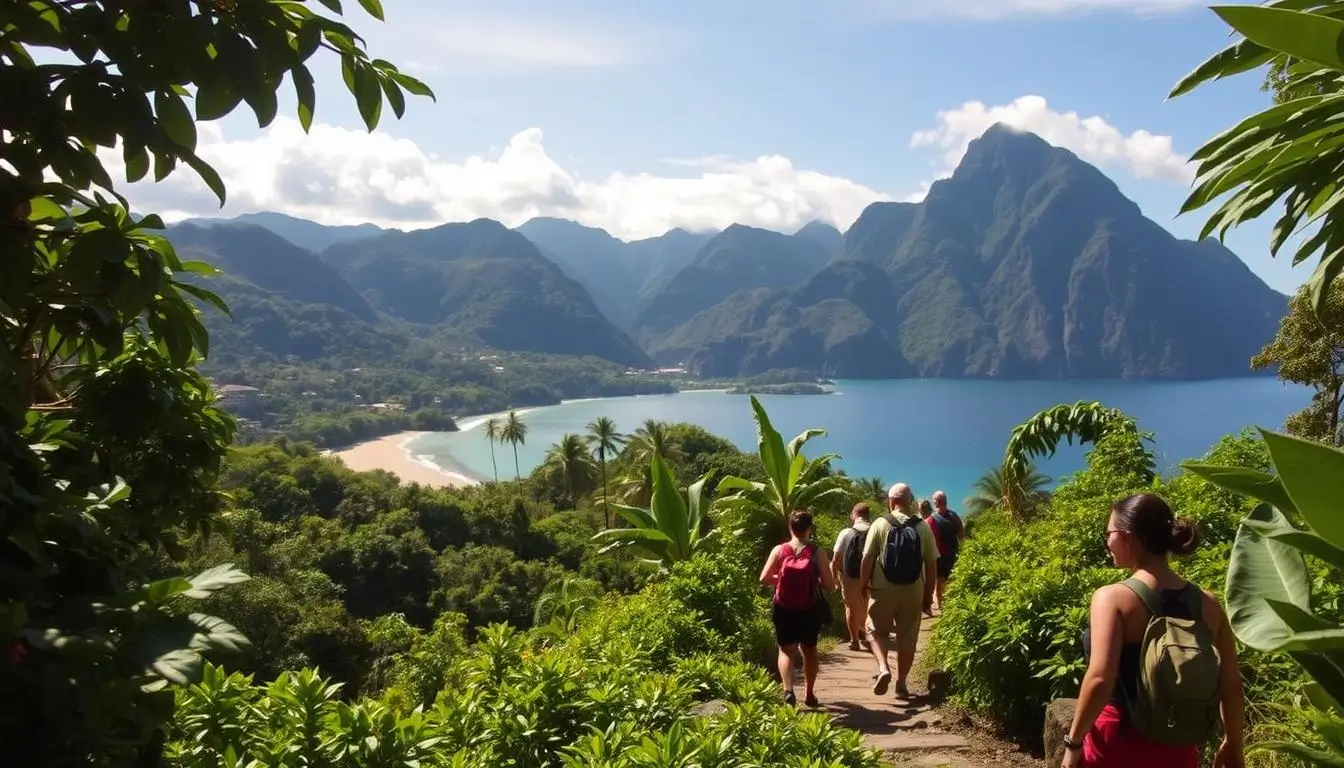
Is Costa Rica safe right now for tourists? This is one of the most important questions travelers ask before planning a trip to the popular Central American destination. Known for its rainforests, beaches, and adventure activities, Costa Rica welcomes millions of visitors every year. While the country is generally considered safe, travelers should be aware of petty crime, road conditions, and natural hazards like rip currents or volcanic activity. Understanding the current safety situation and following practical travel tips will help you enjoy a worry-free vacation in Costa Rica.
Planning my trip to Costa Rica made me think about safety concerns. It’s normal to wonder about the safety of your travel spot. I’ll share my thoughts and experiences to help you decide about your trip.
Safety is key when traveling, and Costa Rica is no different. I’ll give you the lowdown on safety, point out areas to watch out for, and share tips for a great trip.
Key Takeaways
- Current safety situation in Costa Rica
- Areas of concern for tourists
- Practical tips for a safe trip
- Insights from personal experience
- Information to help you make informed decisions
My Recent Experience in Costa Rica
My latest trip to Costa Rica was truly eye-opening. It let me see the country’s varied landscapes. I got to experience the safety in different parts of the country firsthand.
When I Visited and Where I Went
I went to Costa Rica in the spring. I visited places like San José, Arenal, and Manuel Antonio. My adventure started in San José, where I checked out the city’s culture.
Then, I went to Arenal, known for its volcanoes. After that, I headed to Manuel Antonio for its stunning beaches.

My Personal Safety Encounters
During my trip, I faced a few safety concerns. In San José, I was careful in crowded spots to avoid theft. In rural areas, the locals were very friendly and helpful.
What Surprised Me About Safety in Costa Rica
I was surprised by the safety difference in tourist spots versus the rest of the country. Places like Manuel Antonio were very safe, with lots of police around. But, some areas outside these spots needed more caution.
| Location | Safety Perception | Police Presence |
|---|---|---|
| San José | Moderate | Visible in tourist areas |
| Arenal | Generally safe | Less visible |
| Manuel Antonio | Very safe | Strong presence |
Current Safety Situation in Costa Rica
Understanding safety in Costa Rica means looking at several important points. The country’s safety is shaped by crime rates, government advice, and COVID-19’s effects. These factors help travelers make smart choices about their trips.
Crime Statistics in 2023-2024
Crime rates in Costa Rica show a mixed picture. Some crimes, like theft and armed robbery, are big worries for tourists. Official numbers show a small drop in crime rates in 2023 compared to 2022.

Government Travel Advisories
Travel advisories from governments offer key insights into Costa Rica’s safety. In 2023, many countries, including the U.S., advise caution due to crime. These advisories point out risky areas and suggest safe behaviors.
How COVID-19 Has Affected Safety
The COVID-19 pandemic has greatly affected safety in Costa Rica. At first, strict travel rules were in place. Now, Costa Rica welcomes tourists with health and safety steps in place. The fight against COVID-19 keeps changing the safety scene, focusing on public health.
By keeping up with these details, visitors can safely enjoy their time in Costa Rica.
Is Costa Rica Safe Right Now for Tourists? The Short Answer
Costa Rica is known for its beautiful beaches and lively culture. But is it safe for visitors? Let’s look at its safety compared to other Central American countries and the U.S.
Comparison to Other Central American Countries
Costa Rica is seen as one of the safest countries in Central America. Travel advisories show it has fewer crimes than countries like Nicaragua and Honduras. For example, the U.S. Department of State says to exercise normal precautions in Costa Rica. But, they advise more caution in other Central American countries.

Safety Relative to the United States
Costa Rica’s safety compared to the U.S. is a bit complex. It has fewer violent crimes than some big U.S. cities. Yet, petty theft and scams targeting tourists are common. The OSAC Crime and Safety Report says Costa Rica’s crime rate is lower than many U.S. cities. But, tourists should stay alert.
Who Should and Shouldn’t Visit Costa Rica Now
Mostly, tourists who are careful and aware can have a great time in Costa Rica. But, those who take big risks or plan to explore remote places without help might want to think twice.
In summary, while no place is completely safe, Costa Rica is pretty safe for tourists who are careful and informed.
Common Safety Concerns in Costa Rica
Costa Rica is mostly safe, but there are some safety issues tourists should know. It’s important to understand these to have a safe and fun trip.
Petty Theft and Tourist Scams
Petty theft is common in tourist spots. Pickpocketing and bag snatching happen a lot in crowded places like markets and buses. Always be careful with your things, even in places like San José and beaches.
- Keep valuables secure and out of sight.
- Be cautious of overly friendly locals who might be scammers.
- Avoid displaying signs of wealth (e.g., expensive jewelry or watches).
Violent Crime Statistics
Costa Rica has less crime than some other Central American countries. But, violent crimes like armed robberies and assaults can happen. It’s important to know the local situation and avoid risky areas.
“Crime can happen anywhere, and Costa Rica is no exception. Staying aware of your surroundings is key to staying safe.”
Drug-Related Issues
Costa Rica is a transit point for drugs. This doesn’t usually affect tourists, but it’s good to know. Avoid any drug-related activities.
Safety for Solo Travelers
Solo travelers, and women in particular, need to be extra careful. Stick to well-lit and busy areas, don’t travel alone at night, and stay in touch with family. These steps can help keep you safe.

By knowing the risks and taking precautions, tourists can have a great time in Costa Rica. Enjoy the beauty and adventures it offers.
Regional Safety Guide: Where to Go and Where to Be Cautious
Costa Rica has different safety levels for tourists in its various regions. Knowing where to go and where to be careful is key. This knowledge can make your trip better.
Safest Tourist Destinations
Costa Rica has many safe places for visitors. Some of the safest spots include:
- Tamarindo, known for its vibrant surf culture and well-patrolled beaches
- La Fortuna, with its stunning views of Arenal Volcano and a strong focus on tourist safety
- Puerto Viejo, a laid-back coastal town popular with international visitors
These places have low crime rates and are safe for tourists.
Areas to Exercise Extra Caution
Even though Costa Rica is mostly safe, some areas need more care. These include:
- San José’s outskirts, where petty theft and gang activity can be more prevalent
- Border regions with Nicaragua, which can be affected by cross-border activities
- Isolated areas with limited tourist infrastructure
Knowing these areas and taking precautions can reduce risks.
San José Safety Considerations
San José, the capital, has its own safety tips. It has many cultural and historical spots, but tourists should watch out for:
- Petty theft in crowded areas and tourist hotspots
- Traffic congestion and aggressive driving
Beach Town Safety Differences
Beach towns in Costa Rica have different safety levels. For example:
| Beach Town | Safety Level | Notable Safety Features |
|---|---|---|
| Tamarindo | High | Strong police presence, well-lit streets |
| Puerto Viejo | Medium | Laid-back atmosphere, but beware of petty theft |
| Nosara | High | Expatriate community, low crime rate |
Knowing these differences helps you pick the safest beach town for you.
Health and Medical Safety in Costa Rica
Planning a trip to Costa Rica means knowing about health and medical safety. Costa Rica’s healthcare is top-notch, but it’s key to know about health advisories and medical facilities.
Current Health Advisories
Costa Rica works hard to keep public health safe. Be aware of Zika virus, dengue fever, and chikungunya. The Ministry of Health updates advisories often. Always check the latest before you go.
Medical Facilities and Healthcare Quality
Costa Rica’s healthcare system is well-regarded. You’ll find both public and private facilities. In cities like San José, hospitals have modern tech.
The quality of care is high, thanks to many doctors trained abroad. Private hospitals like Hospital Clínico Bíblico and Hospital San Juan de Dios offer top care. They often have staff who speak English, helping international visitors.
Recommended Vaccinations and Medications
Make sure your vaccinations are up-to-date before going to Costa Rica. You might need shots for hepatitis A and typhoid. Malaria prophylaxis is advised for some areas.
Talk to your doctor about any health concerns. Make sure you have all necessary medications.
Travel Insurance Recommendations
Travel insurance that covers medical costs is a must for Costa Rica. It should include emergency evacuations. Check your policy to make sure it covers your planned activities, like adventure sports.
Natural Hazards and Environmental Safety
Costa Rica is a paradise for eco-tourists, but it’s important to know about the natural hazards and environmental safety. This knowledge helps you enjoy the country safely.
Volcano Activity
Costa Rica has many active and dormant volcanoes, with Arenal Volcano being famous. It’s key to keep up with volcanic activity news and government alerts.
Hurricane Season and Flooding
Costa Rica’s rainy season is from May to November, leading to flooding and landslides. Always check the weather forecast and follow local advice during this time.
Wildlife and Ocean Safety
The diverse wildlife in Costa Rica is a big draw, but it can be risky. Be careful when interacting with or approaching wildlife, including sea creatures. Riptides and strong currents can also be dangers at some beaches.
Hiking and Adventure Activity Risks
When hiking or doing adventure activities, pick reliable operators and follow safety rules. The terrain can be tough, and the weather can change quickly.
| Activity | Potential Risk | Safety Measure |
|---|---|---|
| Hiking | Terrain difficulty, weather changes | Choose reputable guides, stay informed |
| Swimming | Riptides, marine life encounters | Swim at lifeguarded beaches, be aware of surroundings |
| Volcano Viewing | Volcanic eruptions, gas emissions | Follow local advisories, stay at a safe distance |
By knowing about these natural hazards and taking precautions, you can enjoy Costa Rica’s beauty while staying safe.
Transportation Safety in Costa Rica
Traveling in Costa Rica means knowing about safety. This includes road conditions, public transport reliability, and taxi and rideshare safety. It’s key to stay safe while moving around.
Road Conditions and Driving Risks
Costa Rica’s roads vary a lot. Main highways are usually good, but rural roads can be tough. They have potholes, poor lighting, and sometimes landslides. Driving risks go up during the rainy season, from May to November.
- Watch out for pedestrians, cyclists, and animals on the road.
- Wearing a seatbelt is a must.
- Try to avoid driving at night because it’s darker and more accident-prone.
Public Transportation Safety
Costa Rica’s buses and shuttles are mostly safe. But, keep an eye on your stuff to avoid petty theft.
Here’s how to stay safe on public transport:
- Choose well-known bus companies and official taxis.
- Keep your valuables close and safe.
- Don’t carry too much cash.
Taxi and Rideshare Safety
For taxis, pick ones with red license plates. Rideshare services are also common in big cities like San José.
To stay safe:
- Always check the driver’s ID before getting in.
- Let someone know where you’re going.
- Use your phone’s GPS to track your journey.
My Transportation Recommendations
I suggest renting a 4×4 for rural or coastal trips. For city travel, mix public transport with licensed taxis or rideshares. It’s safe and easy.
Digital Safety and Connectivity
Staying safe online in Costa Rica is key. As a visitor or expat, you’ll use the internet a lot. This is for finding your way, talking to people, and handling money.
Internet Access and Reliability
Costa Rica has worked hard to improve its internet. Many places like cafes, hotels, and coworking spaces offer good connections. Big cities and tourist spots have reliable internet. But, rural areas might have less coverage.
Cybersecurity Considerations
To stay safe, use strong passwords and two-factor authentication. Be careful with public Wi-Fi. Don’t share sensitive info on unsecured networks.
Using ATMs and Credit Cards Safely
When using ATMs or credit cards, pick safe spots. Cover the keypad when typing your PIN. Keep an eye on your accounts for any odd activity. Think about using cards with no foreign fees.
Key Takeaways:
- Use secure internet connections
- Be cautious with public Wi-Fi
- Monitor your financial accounts
Essential Safety Tips for Traveling in Costa Rica
Getting ready for your Costa Rican trip? Knowing key safety tips can really help. Costa Rica is safe for tourists, but being informed and ready is important for a great trip.
Before You Go: Preparation Checklist
Before you head to Costa Rica, take some steps to stay safe. First, check your government’s travel advisories for safety updates. Also, register with your government’s travel service so they can reach you in an emergency.
- Make sure your passport is valid for at least six months after you plan to leave.
- Copy your passport, driver’s license, and travel insurance. Leave a copy with someone you trust back home.
- Look up your accommodations and travel plans ahead of time to make sure they’re safe.
While You’re There: Daily Safety Practices
In Costa Rica, following some daily safety tips can help. Always be aware of your surroundings, more so in crowded places or tourist spots where theft can happen.
- Keep your valuables safe and use a hotel safe if you can.
- Don’t show off expensive things like jewelry or watches.
- Use only licensed taxis or ride-sharing services. Always check the driver’s ID before getting in.
Emergency Contacts and Resources
For emergencies, having the right contacts and resources is key. Costa Rica’s emergency number is 911 for police, medical, or fire help.
| Emergency Service | Contact Number |
|---|---|
| Emergency (Police, Fire, Medical) | 911 |
| Tourist Police | +506 2255-5181 |
| Red Cross | 128 |
Spanish Phrases That Could Help in Emergencies
Knowing some Spanish phrases can be a big help in emergencies. Here are a few useful ones:
- “¿Dónde está…?” (Where is…?)
- “Necesito ayuda.” (I need help.)
- “Llame a una ambulancia.” (Call an ambulance.)
- “Llame a la policía.” (Call the police.)
Conclusion: Is Costa Rica Worth Visiting Despite Safety Concerns?
Costa Rica is a mixed bag when it comes to safety for tourists. There are real safety worries, but the country has a lot to offer. It’s known for its amazing wildlife, beautiful landscapes, and lively culture.
Thinking about visiting Costa Rica? It’s important to balance the safety issues with the attractions. Knowing the local situation, being careful, and staying alert can help you have a good time.
In the end, despite some safety worries, Costa Rica is worth a visit. If you’re ready and know what to expect, you can enjoy all the beauty and adventure it offers. This makes for a great trip to Costa Rica.
FAQ
Is Costa Rica safe for solo female travelers?
Costa Rica is mostly safe for solo female travelers. But, it’s important to stay alert and avoid walking alone at night.
What are the most common crimes against tourists in Costa Rica?
Tourists often face petty theft like pickpocketing and scams. These are the most common crimes.
Are there any areas in Costa Rica that I should avoid?
Costa Rica is mostly safe, but some areas are riskier. Avoid the borders with Nicaragua and Panama and certain parts of San José. Be extra careful in these places.
Can I drink the tap water in Costa Rica?
Tap water is usually safe in Costa Rica. But, it’s best to drink bottled or filtered water to be sure.
What should I do in case of an emergency in Costa Rica?
If there’s an emergency, call the police or ambulance. Keep your embassy’s contact info handy.
Are there any specific health concerns I should be aware of when traveling to Costa Rica?
Costa Rica has low risks for serious health issues. But, watch out for Zika, dengue, and chikungunya. Take steps to avoid getting bitten by insects.
Can I use my credit cards and ATMs safely in Costa Rica?
Yes, you can use credit cards and ATMs safely in Costa Rica. Just be careful with your financial info. Cover your PIN and avoid isolated ATMs.
Is Costa Rica prepared for natural disasters?
Costa Rica faces risks like earthquakes and hurricanes. The country has a good emergency plan. But, it’s key to know the risks and prepare.
