

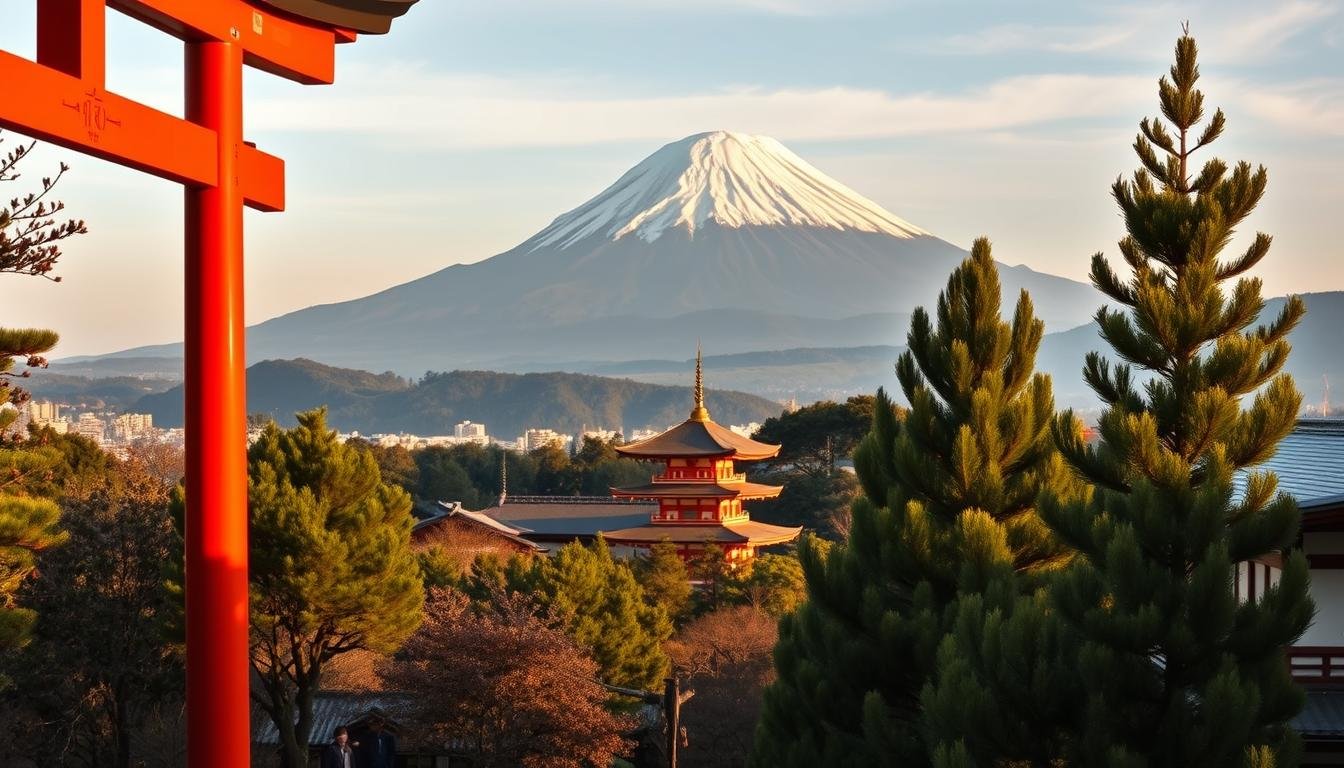
I’ll show you the must-see Japan places to add to your travel bucket list.
I’ve always been drawn to Japan’s mix of old and new. Travel to Japan offers a world where cities buzz and nature calms. It’s a place where tradition meets modernity, creating memories that last.
Exploring Japan’s top spots, I see its stunning beauty, deep history, and lively culture. Whether you love food, history, or tech, Japan has it all. It’s a place for everyone.
Key Takeaways
- Explore Japan’s vibrant cities and serene landscapes
- Experience the unique blend of traditional and modern culture
- Visit historic temples and try local cuisine
- Discover Japan’s cutting-edge technology
- Enjoy the country’s natural beauty and rich history
Why Japan Should Be Your Next Travel Destination
Japan is a mix of old and new, making it a paradise for travelers. It has ancient traditions and the latest technology. This makes Japan a unique experience unlike any other.
The Perfect Blend of Tradition and Innovation
In Japan, tradition and innovation live together in perfect harmony. You can see ancient temples and shrines, like the famous Fushimi Inari Shrine in Kyoto. Then, you can check out the newest tech and gadgets in Tokyo. This mix offers a travel experience that’s both enriching and thrilling.
Four Distinct Seasons to Experience
Japan has four seasons, each with its own charm. You can see the beautiful cherry blossoms in spring, the stunning autumn foliage, or the winter snow festivals in Hokkaido. Every season brings new activities and sights, making sure there’s always something exciting to do.
Safety, Cleanliness, and Hospitality
Japan is known for its safety, cleanliness, and Japanese hospitality. Visitors often talk about the low crime rate and the friendly locals. Whether you’re trying local food or visiting historical sites, you’ll feel safe and respected.

Japan’s unique culture, distinct seasons, and welcoming vibe make it a memorable destination. Whether you’re into history, technology, or nature, Japan has something for everyone.
Tokyo: The Ultimate Urban Adventure
When I arrived in Tokyo, I felt the city’s lively vibe right away. It’s a mix of old traditions and new trends. It’s a top spot for anyone going to Japan.
Shibuya and Shinjuku: Neon-Lit Wonderlands
Shibuya and Shinjuku are Tokyo’s heart, full of bright lights and energy. Shibuya Crossing is the busiest spot, a key Tokyo attraction. Shinjuku has tall buildings and peaceful gardens.

Asakusa and Senso-ji Temple: Old Tokyo Charm
Asakusa shows Tokyo’s old charm, with Senso-ji Temple at its center. This temple, known for its big lantern, is a key Japan place to visit. It gives a peek into Tokyo’s cultural past.
Tokyo Skytree and Tokyo Tower: Panoramic City Views
For amazing views, go to Tokyo Skytree or Tokyo Tower. Both give great views of the city. They’re top Tokyo travel spots.
Best Times to Visit for Photography
The best times for photos are early morning and late evening. The light is soft then. Here’s a quick guide:
| Location | Best Time | Photography Tip |
|---|---|---|
| Shibuya Crossing | Evening | Capture the neon lights |
| Senso-ji Temple | Morning | Soft light on the lantern |
| Tokyo Skytree | Sunset | Panoramic view of the city |
By visiting at these times, you’ll get the best shots of Tokyo’s lively culture and views.
Kyoto: Japan’s Cultural Heart
Kyoto is the heart of Japan’s culture, filled with history and beauty. It has a mix of old traditions and new attractions. This makes it a special place to visit.
Fushimi Inari Shrine: The Iconic Thousand Torii Gates
Fushimi Inari Shrine is known for its thousands of red torii gates. These gates make a path up the mountain. It’s a top spot in Kyoto, showing off Shinto culture and giving amazing views.

Arashiyama Bamboo Grove and Monkey Park
The Arashiyama Bamboo Grove is peaceful, with tall bamboo that moves in the wind. Next to it, the Arashiyama Monkey Park lets you meet friendly Japanese macaques.
Gion District: Where Geisha Traditions Live On
The Gion District is famous for its geisha culture. Here, traditional Japanese arts are kept alive. Visitors can see geishas and maikos as they go to their appointments.
Temple Hopping: Kinkaku-ji and Kiyomizu-dera
Kyoto has many temples, each with its own story and design. Kinkaku-ji, known for its golden look, and Kiyomizu-dera, a UNESCO site, are must-sees. Kinkaku-ji’s gold shines brightly, and Kiyomizu-dera offers stunning city views.
| Temple | Notable Feature | Best Time to Visit |
|---|---|---|
| Kinkaku-ji | Golden Pavilion | Early Morning |
| Kiyomizu-dera | Panoramic Views | Late Afternoon |
In conclusion, Kyoto’s rich culture is seen in its landmarks, traditions, and nature. It’s a great place for those interested in Japan culture and kyoto travel.
Osaka: The Nation’s Kitchen
Osaka is the heart of Japanese cuisine, a top spot for food lovers. It blends traditional and modern food experiences with top-notch entertainment.
Dotonbori: Food Paradise and Entertainment District
Dotonbori is Osaka’s famous entertainment area, known for its neon lights and street food. You can try takoyaki and okonomiyaki here. Don’t miss the Glico Man sign, a city symbol.
Osaka Castle: Historical Magnificence
Osaka Castle is a key historical site that helped unify Japan. Its museum tells its story. The park around it is perfect for cherry blossom viewing in spring.
Universal Studios Japan: Theme Park Fun
Universal Studios Japan is great for thrill-seekers. It has attractions like Harry Potter and Minions. It’s perfect for families and fans.
Osaka offers a mix of Japan’s best food, history, and fun. It’s a top choice for travelers.
The Most Breathtaking Japan Places You Can’t Miss
Japan is full of unique spots, from modern art islands to traditional mountain towns. As we explore the country’s most stunning places, you’ll see Japan’s beauty and culture.
Naoshima: The Contemporary Art Island
Naoshima is a dream for art fans, with its amazing contemporary art and museums. The island’s beauty, combined with its art, makes it a top spot for cultural adventures.
Takayama: Traditional Mountain Town
Takayama is a quaint mountain town that shows Japan’s traditional side. It has old buildings, tasty food, and lively festivals. Here, you can see Japan’s rich culture up close.
Yakushima: Ancient Forest Inspiration for Studio Ghibli
Yakushima is a paradise with ancient forests that inspired Studio Ghibli. You can wander through the forests, climb to beautiful spots, and enjoy the peace of this natural gem.
| Destination | Main Attraction | Experience |
|---|---|---|
| Naoshima | Contemporary Art | Modern Art Installations |
| Takayama | Traditional Culture | Local Cuisine and Festivals |
| Yakushima | Natural Beauty | Hiking and Scenic Landscapes |
These spots highlight Japan’s variety and beauty, appealing to all travelers. Whether you love art, culture, or nature, Japan’s stunning places will amaze you.
Natural Wonders of Japan
Japan is a treasure trove of natural beauty, from sacred mountains to pristine beaches. This mix of nature and tradition is what makes Japan special.
Mount Fuji: Japan’s Sacred Mountain
Mount Fuji, or Fuji-san, is Japan’s highest peak and a sacred symbol. Its symmetrical cone has inspired artists and pilgrims for centuries. Visitors can see stunning views from the Fuji Five Lakes or hike the mountain for adventure.
Japanese Alps: Hiking and Alpine Beauty
The Japanese Alps are a haven for hikers and nature lovers. With picturesque villages, lush forests, and dramatic mountains, it’s perfect for outdoor experiences. Autumn here is breathtaking, with leaves turning vibrant shades of orange and red.
Okinawa: Tropical Paradise Islands
Okinawa is famous for its clear waters, white sandy beaches, and vibrant coral reefs. It’s a tropical paradise for snorkeling, diving, and relaxing on Japan’s most beautiful beaches.
Ishigaki and Miyako: Japan’s Best Beaches
Ishigaki and Miyako are Okinawa’s standout islands for their beauty. Ishigaki’s beaches, like Kabira Bay, are known for their emerald waters and black coral. Miyako Island’s Shirokawa Beach has powdery white sand and crystal-clear waters, ideal for swimming and snorkeling.
Historic Treasures and UNESCO Sites
The rich history of Japan is clear in its many historic treasures and UNESCO sites. These landmarks show the country’s past and its cultural identity.
Hiroshima Peace Memorial Park and Miyajima Island
Hiroshima Peace Memorial Park reminds us of the city’s sad past. Miyajima Island, known for its beauty and history, offers a peaceful visit. The Itsukushima Shrine is a stunning sight, with its gate that seems to float during high tide.
Himeji Castle: Japan’s Finest Feudal Castle
Himeji Castle, a UNESCO World Heritage site, is famous for its well-kept feudal architecture. Its white exterior is called the “White Heron Castle.” The castle has many buildings and gardens, showing Japanese castle design’s elegance.
Nikko Toshogu Shrine: Ornate Splendor
Nikko Toshogu Shrine is known for its detailed carvings and bright colors. It honors Tokugawa Ieyasu, the Tokugawa shogunate’s founder. The shrine complex is a mix of Shinto and Buddhist architecture.
These historic sites in Japan are key to Japanese history and culture. They are must-see places for those interested in Japanese history and culture.
Unique Japanese Experiences You Shouldn’t Miss
Japan offers many special experiences, like relaxing in natural hot springs and taking part in ancient tea ceremonies. These activities let you dive deep into Japan’s rich culture.
Onsen Hot Springs: Relaxation the Japanese Way
Soaking in an onsen, or hot spring, is a key Japanese experience. It’s not just about unwinding; it’s about connecting with nature. Many onsen are set in stunning natural spots, like mountains or by the sea, making the experience even more peaceful.
Staying in a Traditional Ryokan
Staying in a traditional ryokan gives you a peek into Japan’s history. These inns have tatami-mat rooms, sliding doors, and futon beds. The service is warm, and you might enjoy a kaiseki meal, which highlights local seasonal ingredients.
Participating in a Tea Ceremony
Joining a traditional Japanese tea ceremony is a calm and meditative activity. It’s more than drinking tea; it’s a ritual that shows Japanese hospitality and respect for nature. You’ll learn how to prepare and serve Matcha, a powdered green tea, in a special room.
Sumo Tournaments and Training Stables
For something more lively, try attending a sumo tournament or visiting a sumo training stable. Sumo is Japan’s national sport, filled with tradition and ritual. Seeing a live tournament or watching sumo wrestlers train gives you a unique look into this ancient sport.
Seasonal Highlights Across Japan
Japan’s seasons are a colorful mix of experiences. From the stunning cherry blossoms to Hokkaido’s snowy landscapes. It’s clear why Japan is a top spot all year round.
The country’s changing seasons bring more than just beauty. They also shape the culture and fun activities all year. Let’s look at some key seasonal highlights.
Cherry Blossom Season: When and Where to See Sakura
The cherry blossom season, or hanami, is a big draw. Sakura blooms in late March to early April. Ueno Park in Tokyo, Maruyama Park in Kyoto, and Philosopher’s Path in Kyoto are top spots.
Autumn Foliage: Japan’s Second Most Beautiful Season
Autumn, or koyo, brings beautiful foliage. The leaves change color in November. Nikko, Kyoto’s Arashiyama, and the Japanese Alps are must-sees.
Winter Wonderlands and Snow Festivals in Hokkaido
Winter turns Hokkaido into a snowy wonderland. The Sapporo Snow Festival is a highlight. It’s also great for skiing and hot springs.
Japan’s seasons each have their own magic. This makes the country a captivating place to visit any time of the year.
Japanese Cuisine: A Food Lover’s Paradise
Japan’s food scene is as varied as it is tasty, with something for everyone. Exploring Japanese cuisine reveals a world beyond sushi and ramen.
Beyond Sushi: Regional Specialties to Try
Hokkaido’s seafood dishes and Nagoya’s tonkatsu are just the start. Regional cuisine showcases local ingredients and traditions. Each meal is a new discovery.
Street Food Adventures in Japan
Street food is a big part of Japan’s food culture. You’ll find snacks like yakitori, takoyaki, and okonomiyaki. Yakitori, for example, is grilled chicken on skewers, enjoyed at stalls or yakitori restaurants.
Unique Dining Experiences: Robot Restaurants to Izakayas
Japan offers unique dining spots, from Tokyo’s robot restaurants to cozy izakayas. Izakayas are great for experiencing Japanese dining’s social side.
Kaiseki Cuisine: Japan’s Fine Dining Tradition
Kaiseki is Japan’s fine dining tradition. It focuses on local, seasonal ingredients and simple presentation. It’s a feast for the senses.
Practical Tips for Traveling Around Japan
Traveling around Japan can seem tough, but with the right info, it’s easy. Japan’s rail network, cultural norms, and language can be tricky for visitors.
Navigating the Rail System and Japan Rail Pass
Japan’s rail system is famous for its efficiency and complexity. The Japan Rail Pass helps you travel long distances without spending a lot. It lets you ride JR trains, buses, and ferries as much as you want. Make sure to buy the pass before you go, as it’s not sold in Japan to tourists.
Language Barriers and Useful Phrases
Many Japanese speak some English, but learning basic Japanese phrases helps a lot. Saying “konnichiwa” (hello), “arigatou” (thank you), and “sumimasen” (excuse me) shows respect for their culture.
Cultural Etiquette Every Visitor Should Know
Knowing Japan’s cultural etiquette is key for a good trip. For instance, take off your shoes before entering a traditional home or ryokan. Also, use chopsticks correctly to not offend your hosts.
Budgeting for Your Japan Adventure
Japan can be pricey, but you can save money with planning. Budget about ¥5,000-¥10,000 (around $45-$90 USD) per day for food, travel, and fun. Staying in hostels or capsule hotels can also cut costs.
Conclusion: Creating Your Perfect Japan Itinerary
Japan offers a wide range of experiences, from Tokyo’s urban buzz to Kyoto’s cultural depth. The country’s natural beauty is also a must-see. A personalized japan itinerary is essential for a memorable trip.
Think about what you want to see in Japan. Do you love history, city life, or nature? Japan travel tips remind us to consider the seasons. They greatly affect your journey.
Now, you know how to use Japan’s rail system and enjoy its food. You also understand the cultural norms. As you plan your trip, remember Japan’s mix of old and new. It has something for every traveler.
FAQ
What are the best Japan places to visit for a first-time traveler?
For first-timers, Tokyo, Kyoto, Osaka, and Hiroshima are top picks. They offer a blend of city life, history, and nature.
What is the best time to visit Japan?
Japan’s best time varies by what you like. Spring is great for cherry blossoms. Autumn is perfect for leaf views. Summer is hot but good for beaches. Winter is best for skiing and hot springs.
How do I get around Japan?
Japan’s rail network is vast and the Japan Rail Pass is affordable for long trips. Buses, subways, and taxis work well for short distances.
What are some must-try foods in Japan?
Try sushi, ramen, udon, tempura, and yakitori. Also, enjoy local foods and street snacks. Don’t miss robot restaurants and izakayas.
What are some unique experiences I can have in Japan?
Enjoy onsen hot springs, stay in a ryokan, or attend a tea ceremony. These offer a true taste of Japanese culture.
Are there any cultural etiquette tips I should know when visiting Japan?
Yes, learn basic etiquette like bowing and using chopsticks right. Also, respect temple and shrine rules. This will make your visit better.
Can I use English in Japan, or should I learn some Japanese phrases?
Many signs and menus are in English. But, learning “konnichiwa” (hello), “arigatou” (thank you), and “sumimasen” (excuse me) will be appreciated.
What are some off-the-beaten-path destinations in Japan?
Naoshima for art, Takayama for tradition, and Yakushima for nature are great choices. They offer a different view of Japan.
How can I budget for my trip to Japan?
Japan can be pricey, but you can save. Look for budget hotels, eat at local spots, and use public transport. Also, find free or cheap attractions and activities.
