

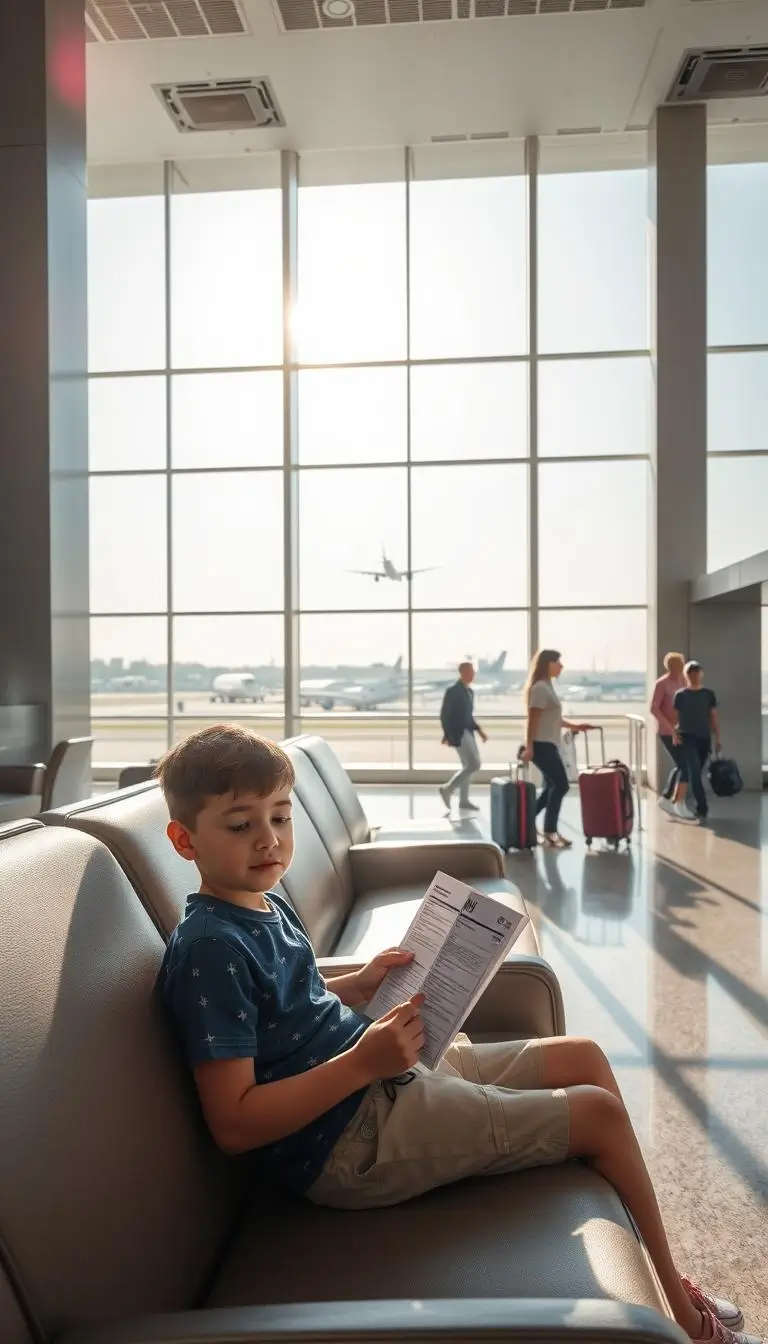
Thinking back to my first flying experience, I remember feeling both excited and nervous. If you’re flying for the first time, you might feel the same way.
Getting ready for your first flight can feel overwhelming. But with the right tips, you can make your journey smooth and fun. In this article, I’ll share 11 key travel tips to help you prepare, pack, and fly like a pro.
Key Takeaways
- Understand the basics of air travel to reduce anxiety
- Learn how to pack efficiently for your flight
- Discover the essentials to bring on your first flight
- Prepare for security checks and boarding procedures
- Stay comfortable during the flight with simple hacks
The Excitement and Challenges of Your First Flight
Flying for the first time can make you feel both excited and nervous. It’s important to know what to expect and the joys of air travel.

Common Fears and Anxieties
Flying for the first time can be scary. You might worry about safety, takeoff, and landing. But, flying is very safe.
Learning about how planes work and the safety steps they take can help calm your fears.
The Rewarding Experience of Air Travel
Despite initial fears, flying can be very rewarding. The excitement of taking off and seeing the world from above is unique. It’s a great way to explore new places and visit loved ones.
Setting Expectations for Your Journey
To enjoy your first flight, it’s important to know what to expect. From check-in to boarding, and during the flight, being prepared can reduce stress. Being informed and ready is key to a great flying experience.
| Aspect | Expectation | Tips |
|---|---|---|
| Check-in | Online check-in available for most airlines | Check-in online 24 hours prior to flight |
| Security | Prepare for security screening | Wear easy-to-remove shoes, avoid wearing anything with metal |
| Boarding | Boarding groups announced during check-in | Listen for boarding announcements, be ready to present boarding pass |
By understanding these aspects and being prepared, your first flight can be less scary and more fun. With the right mindset and preparation, you’ll be ready to fly with confidence.
Travel Tips for First-Time Flyers: Why Preparation Matters
For first-time flyers, knowing how to prepare is key. It’s not just about having the right documents or knowing the airport. It’s about making your travel experience stress-free and enjoyable.

How Proper Planning Reduces Stress
Proper planning is the foundation of a stress-free flight. Knowing what to expect and being ready for each step can lower your anxiety. This includes understanding airline policies, security procedures, and what you can bring on board.
Creating a checklist of tasks before your flight can help reduce stress. This includes checking the weather, ensuring you have all necessary documents, and packing right.
Creating a Seamless Travel Experience
A seamless travel experience comes from thorough preparation. Knowing the airport layout, check-in and boarding processes, and security screening helps you move through the airport easily.
| Preparation Task | Benefits |
|---|---|
| Check airline baggage policies | Avoids unexpected baggage fees |
| Understand security procedures | Streamlines security screening |
| Pack essentials in carry-on | Ensures essential items are accessible |
Building Confidence for Future Flights
Having a positive first flying experience boosts your confidence for future flights. Knowing you’re ready for flying’s challenges makes a big difference.
Remember, it’s okay to feel a little nervous on your first flight. But with the right preparation and mindset, you can turn it into an exciting adventure.
Tip1: Book Your Flight Strategically
For first-time flyers, learning to book flights wisely can ease stress. A well-thought-out booking can make your trip better, from avoiding delays to improving comfort in the air.
Best Days and Times to Fly
Flying early in the morning or on certain days can make your trip smoother. Tuesdays, Wednesdays, and Saturdays are good days to fly as they’re less crowded. Morning flights also have fewer delays than evening ones.

Direct vs. Connecting Flights for Beginners
Choosing between direct and connecting flights is tough for new flyers. Direct flights are simpler but might cost more. Connecting flights can save money but are more complex. Think about what you prefer and need for your trip.
Choosing the Right Seat for Comfort
Picking the right seat is key for a better flight. Consider if you like a window or aisle seat. Also, think about seat locations that might affect your comfort.
Window vs. Aisle Considerations
A window seat offers a view and a place to lean. But, it’s less convenient for moving around. An aisle seat is better for getting up and down but might be noisy.
Avoiding Problematic Seat Locations
Seats near the bathroom or exit rows can be noisy and busy. Seats at the back might shake more. Knowing these can help you pick a better seat.
By using these tips, your first flight can be better and less stressful. Whether it’s picking the best day, choosing between direct and connecting flights, or selecting a seat, being informed is important for a good start to your flying journey.
Tip2: Understand Airline Baggage Policies
To avoid unexpected fees at the airport, it’s key to know airline baggage policies. Knowing what to pack and how to pack it can greatly improve your travel experience.
Carry-on vs. Checked Baggage Rules
Airlines have different rules for carry-on and checked baggage. Carry-on bags are smaller and go in the overhead bins. Checked bags are larger and go in the cargo hold. It’s important to understand these differences.
If you’re going on a short trip, a carry-on might be enough, saving you money. But for longer trips or big items, you might need to check a bag.
Weight and Size Restrictions by Airline
Each airline has its own rules for carry-on and checked baggage size and weight. It’s important to check with your airline before packing to avoid surprises.
- Check the airline’s website for the most up-to-date information.
- Measure and weigh your luggage at home to ensure compliance.
Avoiding Unexpected Baggage Fees
Baggage fees can add up fast, but there are ways to reduce them. Here are some packing tips to keep in mind:
Weighing Your Luggage at Home
Get a good luggage scale to weigh your bags before the airport. This simple step can save you from unexpected overweight baggage fees.
Baggage Tracking Options
Many airlines offer baggage tracking services. These can be very helpful if your luggage gets lost or delayed. They provide you with airport hacks to track your baggage.
By understanding and following airline baggage policies, first-time flyers can greatly improve their travel experience. These travel tips for first-time flyers can make a big difference.
Tip3: Pack Smart for Your First Flight
To have a smooth journey, it’s key to know how to pack for your first flight. As a beginner, knowing what to pack and what to avoid can greatly improve your travel experience.
Essential Items for Your Carry-on
Having the right items in your carry-on can make your flight more comfortable and convenient. You’ll need a travel adapter, noise-canceling headphones, a neck pillow, and a portable charger. Also, remember to pack any necessary medications and a refillable water bottle to stay hydrated.
What to Wear for Maximum Comfort
Wearing comfortable clothes is essential for a good flying experience. Choose loose, breathable clothes and layers for temperature changes. Wear your heaviest or bulkiest items, like a coat or boots, on the plane to save space in your luggage.
Items That Will Get Confiscated
Knowing what items are banned or likely to be taken can save you time and stress. Learn about the 3-1-1 liquids rule and other banned items.
Liquids Rule (3-1-1)
The 3-1-1 rule says liquids, gels, and aerosols must be in containers of 3.4 ounces or less. They must be in a clear, quart-sized zip-top bag, with only one bag per passenger. This makes security checks easier and reduces the chance of your items being taken.
Prohibited Items Checklist
Some items are not allowed on flights, like sharp objects, firearms, and certain chemicals. Check with your airline for a full list of banned items to avoid any problems during security checks.
Tip4: Prepare Your Travel Documents
Before you go to the airport, it’s key to know what travel documents you’ll need. As a first-time flyer, having the right documents is vital for a smooth trip.
ID Requirements for Domestic Flights
For flights within the United States, you need a valid government-issued ID. This could be a driver’s license, state ID, or passport. Make sure your ID is current and matches your flight reservation’s name.
Passport and Visa Information for International Travel
For international trips, a valid passport is essential. Your passport should be valid for at least six months after your planned return. You might also need a visa, depending on your destination. Check the visa needs for your trip and apply early if needed.
Digital Copies and Backup Solutions
Having digital copies of your travel documents can save you if they get lost or stolen. Scan your ID, passport, and visa (if needed) and save them in a secure cloud storage or travel app.
Travel Apps That Store Documents
Many travel apps let you store your documents digitally. Here are a few:
| App Name | Document Storage | Additional Features |
|---|---|---|
| TripIt | Yes | Itinerary organization, real-time flight alerts |
| Google Trips | Yes | Travel planning, reservations, and recommendations |
| TripCase | Yes | Flight tracking, itinerary management |
These apps can keep you organized and ensure you have your documents when you need them.
Tip5: Navigate the Airport Like a Pro
Learning how to navigate the airport is essential for a smooth trip. As a first-time flyer, knowing the airport’s layout and processes can greatly reduce your stress.
Optimal Airport Arrival Timing
Getting to the airport early is key. For domestic flights, aim to arrive 2 hours before your flight. For international flights, arrive at least 3 hours early. This gives you enough time for check-in, baggage drop-off, security, and reaching your gate without stress.
Check-in Options: Online, Kiosk, or Counter
Most airlines let you check in online 24 hours before your flight. This can save you a lot of time. If you have no checked baggage, you can go straight to security. For a more traditional experience or if you have special needs, kiosk or counter check-in is available.
Security Screening Preparation
To get through security quickly, wear easy-to-remove shoes and avoid metal jewelry or clothing. Also, be ready to take out electronics from your carry-on. Knowing the TSA’s 3-1-1 rule for liquids and gels can also help speed up your screening.
Finding Your Gate Efficiently
After security, finding your gate is next. Using airport maps and apps is very helpful. Many airports have apps that give real-time updates on gate assignments, flight status, and more.
Using Airport Maps and Apps
Download the airport’s app or carry a map to navigate the terminal well. These tools help you find your gate, nearby amenities, and even info on your next connection if you have one.
By using these airport hacks, what might seem overwhelming becomes manageable and even enjoyable. Being prepared is key to enjoying your travel from the start, even as a first-time flyer.
Tip6: Security Checkpoint Hacks
Airport security doesn’t have to be scary with the right tips. Knowing how to get through security can make your trip better. It can also lower your stress levels.
Preparing Your Items for Screening
To make security easier, prepare your items ahead of time. Wear shoes that are easy to take off. Don’t wear anything with metal. Have your laptop and liquids ready for screening.
Using a clear, quart-sized zip-top bag for your liquids and gels can also help. It makes the screening process faster.
TSA PreCheck and Clear Benefits
Think about joining TSA PreCheck or Clear for faster security. TSA PreCheck lets you keep your shoes, belts, and light jackets on. You can also keep your laptop and compliant liquids in your bag.
Clear uses biometric tech to make identity checks quicker. This can save you a lot of time.
What to Do If Selected for Additional Screening
If you’re picked for extra screening, stay calm and follow the TSA agents’ instructions. Remember, this is normal for some travelers. Being patient and cooperative can make the process smoother.
Keeping Calm During Security Procedures
It’s important to stay calm. Take deep breaths and remember that security checks are for everyone’s safety. Being ready and knowing what to expect can really help reduce your anxiety.
| Security Tip | Description | Benefit |
|---|---|---|
| Wear Easy-to-Remove Shoes | Choose shoes that are simple to take off and put back on. | Saves time during security screening. |
| Use a Clear Quart-Sized Zip-Top Bag | Place liquids and gels in a clear, quart-sized zip-top bag. | Speeds up the screening of liquids. |
| Enroll in TSA PreCheck or Clear | Sign up for these programs to expedite your security process. | Reduces time spent in security lines. |
Tip7: Make the Most of Airport Amenities
Airports have lounges, entertainment, and more to make waiting better. As a first-time flyer, knowing how to use these services can improve your trip.
Airport Lounges and Access Options
Airport lounges are quiet and comfy spots to relax before flying. You can get in through lounge memberships, credit card perks, or by paying. Some airlines give lounge access to their top passengers for free.
Food, Shopping, and Entertainment
Airports are more than waiting spots. They have food, shops, and fun like movie theaters and live music. You can find local or international food and brands to enjoy.
Charging Stations and Wi-Fi Access
It’s important to stay connected while traveling. Airports have charging spots and free or paid Wi-Fi. Use these to keep your devices charged and in touch with loved ones.
Free vs. Paid Airport Services
Some airport services are free, while others cost money. Knowing what’s free and what’s not helps plan your visit. Here’s a quick guide:
| Service | Free | Paid |
|---|---|---|
| Wi-Fi | Limited time or data | Extended time or premium services |
| Lounge Access | Complimentary for premium passengers | Available for purchase or through membership |
| Charging Stations | Often available for free | Some premium or fast-charging options |
By using airport amenities well, you can make your travel better and less stressful.
Tip8: Understand the Boarding Process
For many, the boarding process is the most daunting part of flying; yet, it’s simpler than you think. Knowing how boarding works can make your first flying experience better.
Boarding Groups and Procedures Explained
Airlines board passengers in groups. These groups are based on the class of travel, frequent flyer status, or check-in time. Knowing your group can help you plan your arrival at the gate and reduce stress.
Gate Check vs. Overhead Bin Storage
It’s key to know the difference between gate checking your luggage and storing it in the overhead bin. Gate checking means your bag goes to the cargo hold at the gate. Overhead bin storage lets you keep your bag with you.
| Item | Gate Check | Overhead Bin |
|---|---|---|
| Larger Bags | Yes | No |
| Smaller Bags | No | Yes |
Finding Your Seat Efficiently
To find your seat quickly, watch the seat numbers and rows as you board. Airlines board from back to front. So, if you’re seated towards the front, you’ll board later.
Boarding Etiquette for New Flyers
Being considerate of others is key during boarding. Let passengers in front of you exit the aisle before you stow your belongings. This simple act can make boarding smoother for everyone.
Understanding the boarding process prepares you for your flight. It reduces anxiety and makes your experience more enjoyable.
Tip9: Stay Comfortable During Your Flight
Staying comfortable on a flight is key. I’ve picked up some tips to help. Knowing how to stay comfy can really improve your flight.
Managing Ear Pressure and Motion Sickness
Ear pressure and motion sickness are common on flights. To ease ear pressure, I chew gum or swallow often, mainly during takeoff and landing. For motion sickness, I sit over the wing for a smoother ride and avoid screens.
Other tips include:
- Using earplugs or earmuffs made for flying
- Taking motion sickness meds before flying, if needed
- Avoiding big meals before flying
Staying Hydrated and Nourished
Drinking water is vital on flights. I drink lots of water before and during the flight. I avoid caffeinated and sugary drinks that dry me out. I also bring healthy snacks like nuts or dried fruits to keep my energy up.
For meals, I choose light, easy-to-digest foods. Some airlines have special meal options. If you have dietary needs, check with your airline ahead of time.
Entertainment and Sleep Strategies
Good entertainment is important for a comfy flight. I download movies, TV shows, or books for my tablet or laptop. Noise-canceling headphones are essential for me, as they improve my listening and block out noise.
In-flight Exercises for Long Flights
On long flights, I do simple exercises to keep blood flowing. I stretch my legs, do ankle circles, and twist my torso gently. These exercises help prevent stiffness and discomfort.
Using Noise-Canceling Headphones
Noise-canceling headphones are a big help on flights. They block out engine noise and distractions, making it easier to relax or enjoy my entertainment. If you fly often, getting a good pair is worth it.
Tip10: Handle Flight Delays and Cancellations
Flight delays and cancellations can stress out first-time flyers. But, being ready can change things. Knowing how to deal with these issues can make a big difference.
Understanding Your Passenger Rights
It’s key to know your rights when flights are delayed or canceled. In the U.S., airlines must offer certain help and pay compensation. For example, if your flight is delayed overnight, they might give you a hotel room and food vouchers. Knowing the airline’s rules and your rights helps avoid problems.
Key Passenger Rights to Know:
- Compensation for delayed or canceled flights
- Provision of food and accommodation when necessary
- Rebooking or refund options
Effective Communication with Airline Staff
Talking to airline staff well is very important when there are flight issues. Be calm and clear when you talk to them. Being nice and ready with your booking details can help a lot.
“The way to get started is to quit talking and begin doing.” – Walt Disney
This quote shows why acting fast and being proactive is key when talking to airline staff.
Rebooking Strategies and Alternatives
Having a plan for rebooking can save you time and stress. Airlines often let you rebook, but you can choose to look for other flights. Use the airline’s app or website to find other options.
Using Airline Apps for Updates
Airline apps are great for keeping up with flight changes and rebooking. Download your airline’s app and turn on notifications. Many apps also let you check in and get boarding passes, making travel easier.
Knowing your rights, talking well to airline staff, and using rebooking strategies can help you handle flight delays and cancellations. First-time flyers who are ready for these issues are more likely to have a good trip, even with challenges.
Tip11: Navigate Your Arrival Destination
Stepping off the plane, I knew navigating my arrival was key. A smooth arrival makes a big difference in my travel experience. With some airport hacks and travel tips for first-time flyers, I can end my journey well.
Baggage Claim Procedures and Tips
Collecting my baggage is the first step after arriving. I watch the baggage claim carousel closely and grab my luggage quickly. Checking the airline’s procedures beforehand helps avoid confusion.
It’s wise to keep my baggage claim tag handy. This can help me spot my luggage fast and avoid mix-ups.
Ground Transportation Options and Planning
I research my ground transportation before arriving. Whether it’s a taxi, Uber, or public transport, planning saves time and stress.
Booking airport pickup in advance makes arrival smoother. Many airports offer this service, and it can be booked online or through a third-party provider.
Dealing with Jet Lag and Time Zone Changes
Jet lag is a big issue when crossing time zones. I adjust my sleep schedule a few days before to match my destination’s time.
Staying hydrated and avoiding heavy meals during the flight helps my body adjust faster.
Pre-arranging Airport Pickup
Pre-arranging airport pickup is convenient, even for new destinations. Booking ahead ensures a reliable ride to my accommodation, avoiding airport transportation hassles.
This service is great for those with lots of luggage or arriving at busy airports.
Bonus Tips: Flying Etiquette for First-Timers
As a first-time flyer, knowing flying etiquette can make your trip better. It’s about behaving in a way that makes everyone’s flight better. This includes being kind and respectful to others and the staff.
Respecting Fellow Passengers’ Space
Respecting others’ space is key when flying. This means keeping your things tidy and not taking up too much room. Here are some tips to help you:
- Keep your voice down when talking or on your phone.
- Don’t wear strong perfumes or colognes that might bother others.
- Think about others when you recline your seat, like during meals or when someone is working.
Interacting with Flight Attendants
Flight attendants are there to keep you safe and comfortable. Being nice to them can really help. Here’s how to interact with them:
- Smile and say hello when they welcome you.
- Be clear and quick when you order food or ask for help.
- Thank them for their help with a smile or a thank you.
Managing Shared Armrests and Reclining
Dealing with shared armrests and reclining can be tricky. It’s all about being thoughtful of the person next to or behind you. Look back before reclining to avoid bothering someone. For armrests, try sharing or politely asking.
By following these tips, you can make flying better for everyone. As you fly more, these habits will become natural. Your travels will be even more enjoyable.
Conclusion: Embracing the Skies with Confidence
As you get ready for your first flight, remember the travel tips for first-time flyers that will help. Knowing airline rules, packing right, and understanding airport steps will prepare you for anything.
With first flight advice from those who’ve been there, you can reduce stress and enjoy more. Choosing the best seat and staying comfy are important. Follow these air travel tips to relax and have fun.
Starting your air travel adventure? Remember, being prepared is everything. With knowledge and confidence, you’re set to conquer the skies and enjoy your trip.
FAQ
What should I wear on my first flight?
Choose comfy clothes and layers for temperature changes. Slip-on shoes are good for security checks. Avoid tight clothes.
How do I handle turbulence during my flight?
Turbulence is normal. Keep your seatbelt on and stay seated when the sign is on. Deep breathing or calming music can help if you’re anxious.
Can I bring my own food on the plane?
Yes, you can bring your own food. Just remember TSA rules on liquids and gels. Pick snacks that are easy to eat and won’t bother others.
How do I avoid jet lag on my first flight?
Adjust your sleep schedule a few days before. Stay hydrated and avoid heavy meals on the flight. Light therapy or melatonin might help, but talk to a doctor first.
What are some essential items to pack in my carry-on?
Pack your passport, phone charger, headphones, and medication. Don’t forget a change of clothes for delays. A portable power bank and travel adapter are also good ideas.
How do I navigate the airport if I’m a first-time flyer?
Learn the airport layout and use maps or apps to find your gate. Arrive early and use services like curbside check-in or TSA PreCheck to speed up your journey.
What are some airport hacks for first-time flyers?
Use airport lounges and charging stations. Explore shopping and dining. Consider pre-arranged pickup or shuttle services to your hotel.
How do I deal with flight delays or cancellations?
Know your rights and talk to airline staff clearly. Use airline apps for updates. Be ready to rebook or find other flights.
Can I use my electronic devices during the flight?
Follow the airline’s rules for using devices. You can usually use them in airplane mode. Always listen to the flight attendants.
How do I stay entertained during a long flight?
Bring a book, download movies or TV shows, or listen to music. A portable power bank will keep your devices charged.
What are some tips for managing anxiety during my first flight?
Breathe deeply, stay hydrated, and talk to a doctor about managing anxiety. Learn about the flight process and keep yourself busy with entertainment or reading.
