

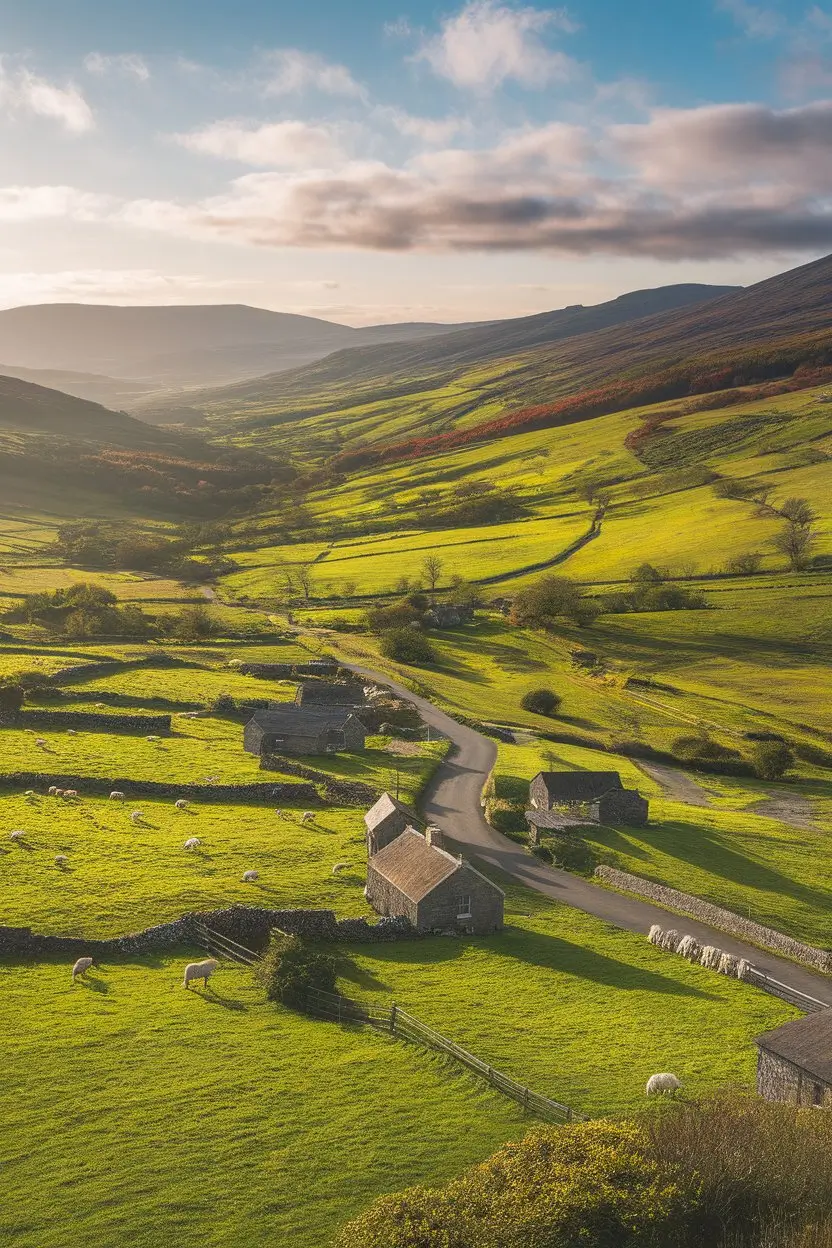
You want the best month to travel to Ireland, and you want a straight answer. I respect that. I’ll give you one, and I’ll back it up with on-the-ground tips, weather intel, costs, events, and a few hard-won packing picks from soggy afternoons and sun-soaked evenings along the Wild Atlantic Way.
I’ve visited in spring and fall, checked out summer festivals, and even braved winter in Dublin. I’ve watched Galway glow at 10 p.m. in June and sprinted to a pub in Killarney as rain sideways attacked my face in November. So yeah, I get the “which month wins” debate.
Ready to find out what is the best month to travel to Ireland without any fluff?
The short answer you wanted
I rank May and September as the overall winners for the best month to travel to Ireland. I’ll explain why, and I’ll also show you when July makes sense, and why December can quietly impress if you plan smart.
- Why May works: Long daylight, fresh greenery, open sites, and a strong chance of dry spells. Crowds haven’t reached peak yet, and prices often sit below summer rates.
- Why September works: Sea and air hold summer warmth, kids go back to school, festivals continue, and crowds thin out. You still get long days without July-level prices.
- Why July sometimes wins: Warmest weather, packed festival calendar, peak energy. You pay more and squeeze through crowds, but some travelers love that vibe.
- Why December surprised me: Christmas markets, cozy pubs, lighter crowds, great city breaks. You need flexible plans for weather, but you can score excellent deals.
Want the long version with all the trade-offs, sample itineraries, and a month-by-month breakdown? I’ve got you.

Ireland’s weather: the truth that guides your dates
I hear one claim over and over: “It rains every day.” Not quite. The weather shifts fast, and showers move through quickly. Locals carry a jacket and carry on. You can do the same.
- Winters stay cool and damp, not bitter cold.
- Summers feel mild, not tropical, with a few warm spells.
- The west gets more wind and rain than the east.
- You can meet all four seasons in one day. Pack layers and laugh about it.
Average highs sit around the mid-40s Fahrenheit in January and the mid-60s Fahrenheit in July. You can walk, hike, and sightsee year-round if you dress smart. You can chase sunsets at 10 p.m. in late June. That daylight alone can make your trip.
Ever notice how a place feels different when the sun lingers? Ireland trades on that magic.
Month-by-month at a glance
You want the quick, actionable view. I built this table to compare each month for weather, daylight, crowd levels, and a few highlights. Temps use Dublin-style averages, with west coast areas running cooler, windier, and wetter. I list Fahrenheit first with Celsius in parentheses.
| Month | Avg High / Low | Rainy Days | Daylight | Crowds | Price Level | What Stands Out |
|---|---|---|---|---|---|---|
| January | 47°F / 38°F (8/3°C) | 20–22 | ~8 hrs | Low | Low | Quiet museums, storms on the Atlantic, cozy firesides |
| February | 48°F / 38°F (9/3°C) | 18–20 | ~9–10 hrs | Low | Low | Clear crisp days, value stays |
| March | 50°F / 39°F (10/4°C) | 17–19 | ~11–12 hrs | Medium mid-month | Medium | St. Patrick’s week, early spring greens |
| April | 54°F / 41°F (12/5°C) | 15–17 | ~13–14 hrs | Medium | Medium | Blooming gardens, stronger sun |
| May | 59°F / 46°F (15/8°C) | 14–16 | ~15–16 hrs | Medium | Medium | Longer evenings, lush landscapes |
| June | 63°F / 50°F (17/10°C) | 14–16 | ~16.5–17 hrs | High | High | Peak daylight, festivals begin |
| July | 66°F / 54°F (19/12°C) | 14–16 | ~16–16.5 hrs | Very High | Very High | Warmest stretch, energetic cities |
| August | 66°F / 54°F (19/12°C) | 15–17 | ~14.5–15 hrs | High | High | Heather in bloom, festivals continue |
| September | 62°F / 50°F (17/10°C) | 15–17 | ~12.5–13 hrs | Medium | Medium | Sea warmth lingers, lighter crowds |
| October | 56°F / 45°F (13/7°C) | 17–19 | ~10–11 hrs | Medium | Low–Medium | Gold landscapes, Halloween traditions |
| November | 50°F / 41°F (10/5°C) | 18–20 | ~8.5–9 hrs | Low | Low | Value trips, stormy coasts, quiet towns |
| December | 47°F / 39°F (8/4°C) | 19–21 | ~8 hrs | Medium mid-month | Medium | Christmas markets, pub glow, music nights |
I built this to guide quick choices. You can pick your month in under a minute if you know your priorities. Want a little more color behind the numbers?
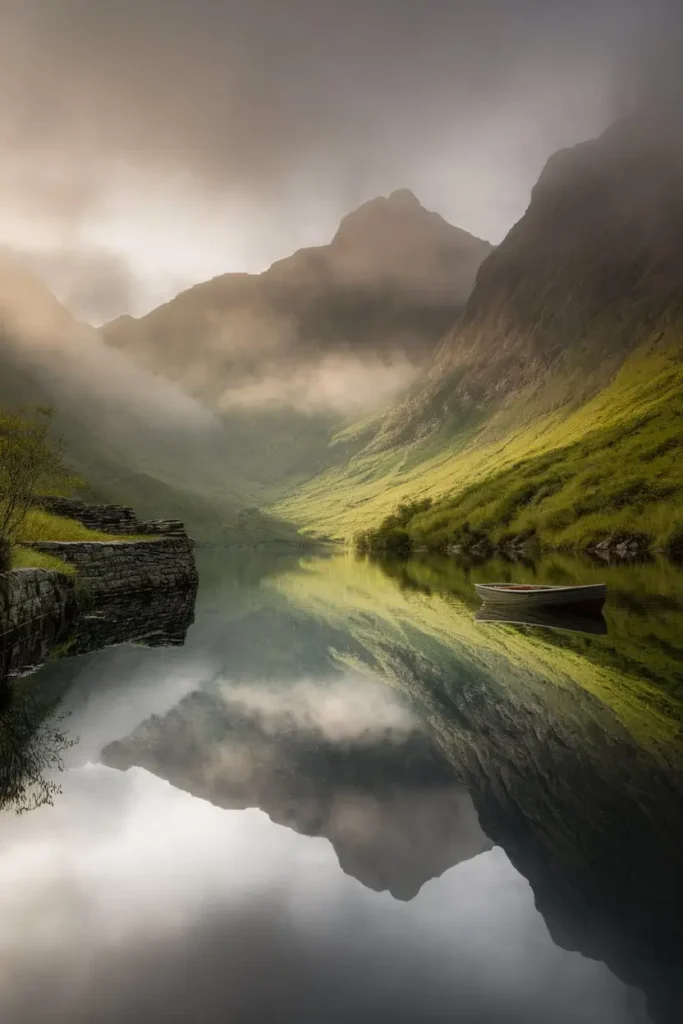
Pick your month by priority
Everyone wants the “best time to visit Ireland,” but your best month depends on what you value. I’ll keep this straight and useful.
If you want the mildest weather and long days
- Target: May and September
- Why: Balanced temperatures, long evening light, open attractions
- Bonus: Lower crowd pressure than July and August
If you want the warmest temperatures
- Target: July
- Why: Warmest stretch of the year, school holidays, festival peak
- Trade-off: High prices and crowded hotspots
If you want lower prices and quieter streets
- Target: November through February
- Why: Discounts on hotels and car rentals, easy reservations
- Trade-off: Short daylight, frequent rain, limited rural schedules
If you want festivals and local energy
- Target: March, June, July, September
- Why: St. Patrick’s in March, literary events in June, music and arts in July, food and oysters in September
If you want peak scenery for photos
- Target: April through June
- Why: Fresh greens, long twilight, blooming gardens
- Trade-off: Variable showers, bring a waterproof layer
You see the pattern. May and September hit the sweet spot for most travelers. July wins if you want warmth and don’t mind crowds. December works for city lovers who want value and atmosphere.
Regional differences you should know
Ireland looks compact on a map, but weather shifts across regions. I learned that very quickly on a Galway to Kerry drive that turned into a rain clinic, followed by a sun break in Kinsale two hours later. The island keeps you on your toes.
West coast vs east
- The west coast and the Wild Atlantic Way run wetter and windier. The surf and cliffs look epic, and those skies change fast.
- The east near Dublin often gets slightly drier conditions and gentler winds.
North and northwest
- Counties like Donegal and Mayo charm hikers and photographers. You feel wilder weather up there. Bring a solid shell jacket and plan flexible driving days.
South and southeast
- Areas near Cork, Kinsale, and Waterford can feel a touch gentler. Spring arrives a bit sooner, gardens thrive, and you can score sunny spells that feel almost smug.
Rural realities
- Some rural attractions reduce hours from late fall through winter. Cities keep normal schedules. You’ll still find lively pubs everywhere.
- Midges show up around calm water and boggy ground in warm months. They ignore fashion and respect strong repellent.
You can fine tune your month based on region. If you aim for the Wild Atlantic Way, I like May or September for lighter crowds and photogenic light. If you prefer city breaks in Dublin or Belfast, I like December for the festive atmosphere and deals.
Crowd levels and prices by season
I track three things when I plan: hotel rates, rental car rates, and attraction hours. Those three signals tell me how the island feels at a given time.
- High season: Late June through August
- Hotels fill up early, rental cars cost more, attractions extend hours
- Expect lines at headline sights, especially on weekend afternoons
- Shoulder season: April to early June, September to mid-October
- Rates moderate, cars stay available, weather helps you stay outdoors
- You can book great B&Bs without panic-clicking
- Low season: Late October to March
- Deep deals on hotels and cars, easy restaurant reservations
- Short daylight narrows your daily plan, some rural spots reduce hours
If you plan to self-drive, watch rental car pricing. Summer spikes hit fast, and fleets sell out around holiday weeks. I lock cars as soon as flights look real, then I recheck rates later. I often save money with that move.
Daylight matters more than you think
Ireland carries more power in its daylight than in its temperatures. The island transforms when the sun lingers and the sky glows late.
- Late June: 17 hours of daylight in many spots
- May and July: 15 to 16.5 hours
- September: 12 to 13 hours
- December: 8 hours give or take
I plan road days around sunrise and sunset. I choose long-view drives when the light stretches late. I pick city days for shorter daylight months. I build in a cafe break when the heavens decide to rinse the sidewalks.
Ever try to power through a scenic drive at 4 p.m. darkness in November? You can do it, but it feels better in May.
Events and festivals that can shape your dates
I love how Ireland celebrates stories, sport, and music. You can plan a trip around a single event and feel satisfied for weeks.
- March: St. Patrick’s Festival in Dublin, parades across the island
- April: Early literary and music events, gardens in bloom
- June: Bloomsday in Dublin, maritime and music festivals
- July: GAA matches heat up, major music and arts festivals, lively pub sessions
- August: Arts in full swing, heritage and agricultural shows
- September: Galway International Oyster Festival, food festivals across counties
- October: Halloween traditions with deep roots, storytelling events
- December: Christmas markets, seasonal concerts, New Year’s celebrations
You can tailor your month to match your interests, but what is the best month to travel to Ireland? I time sports fans for July and September, book readers for June, food lovers for September, and Christmas market hunters for December.
Sample itineraries that match the month
These sketches can help you frame a week. I keep them realistic and fun.
May: the green and gold road trip
- Route: Dublin to Kilkenny, Killarney, Dingle, Cliffs of Moher, Galway, back to Dublin
- Why it works: Long days, lower crowd pressure, open sites
- Highlights: Loop the Dingle Peninsula, walk Killarney National Park, catch a trad session in Galway
- Tip: Book two nights in Dingle, then slow down those cliff viewpoints
July: festival-forward with seaside breaks
- Route: Dublin and North County Dublin beaches, Galway for music, Connemara day trip
- Why it works: Warmest weather, festival energy, sunsets that linger
- Highlights: Evening swims, open-air gigs, late pub sessions
- Tip: Book accommodation early, avoid long drives on Saturday afternoons
December: city comforts and festive vibes
- Route: Dublin, train to Cork, optional day trip to Kinsale
- Why it works: Markets, warm cafes, easy train travel, good rates
- Highlights: Illuminated streets, carols, hearty meals
- Tip: Keep a flexible plan, stack indoor and outdoor options for each day
What to pack by month
I refuse to overpack, but I refuse to shiver. Ireland rewards smart layers, not suitcase gym memberships.
- Year-round essentials
- Waterproof shell jacket with a hood
- Layering fleece or light insulated jacket
- Comfortable waterproof shoes or boots
- Wool socks that dry fast
- Compact umbrella, though winds sometimes laugh at it
- Hat and gloves from October to April
- Small daypack for layers and snacks
- Spring and fall extras
- Light gloves and a neck gaiter
- Packable down vest for chilly mornings
- Summer extras
- Sunscreen, even on cloudy days
- Quick-dry shirts and a light sweater
- Insect repellent for midges near still water
- City breaks
- Smart casual outfit for nicer dinners or shows
- Portable battery for phone navigation and tickets
You dress for wind and water first, then add warmth. That formula never fails me.
Driving and logistics tips that save time and nerves
I love a good road trip, but I plan it with respect for Irish roads. Curves, sheep, tractors, and postcard views can all show up in the same mile.
- Book a compact car for narrow lanes and easy parking.
- Add full coverage for rental cars. Gravel, tight spots, and surprise mirrors cause drama.
- Build shorter drive days than you use at home. Two scenic hours feel like three or four in Ireland.
- Monitor sunset times so you avoid new-to-you rural roads in the dark.
- Use a blended plan: trains for cities, car for countryside.
I also keep a “bad weather day plan” for every stop. Museums, distilleries, cafes, bookshops, live music. Ireland excels at that list.
Ireland weather by month: deeper notes
This section adds texture for travelers who like details.
Spring: March to May
- March gives you St. Patrick’s energy, with variable weather and new growth.
- April feels friendly with longer days and gardens waking up.
- May lands that clean-air brightness, blooming hedgerows, and longer golden hours.
Summer: June to August
- June brings huge daylight that changes how you plan.
- July runs warmest and most crowded. Book popular sites in advance.
- August keeps the summer vibe, with heather coloring the hills and a full festival slate.
Fall: September to November
- September holds gentle warmth and satisfied locals. I love photo walks in this light.
- October shows big skies and strong colors. Pack a warmer layer for evenings.
- November quiets the tourist scene while storm-watchers head to the coast.
Winter: December to February
- December carries festive city energy and great indoor culture.
- January and February bring value and crisp, clean days between showers.
- You can plan dramatic coastal photography during winter storms. Respect the sea and keep distance from cliff edges.
Common questions I get
I hear these questions every time I help a friend plan a trip.
Will I get soaked every day?
Probably not. Showers come and go. You can move plans around and stay dry for most of the day.
Is July worth the price hike?
If you crave energy, warmest temps, and long evenings, yes. If you prefer lower prices and a bit more space, choose May or September.
Can I plan a great trip in winter?
Yes. Focus on cities, plan shorter outdoor windows, and lean into music, museums, and food. I still remember a perfect December afternoon in Dublin that ended with music and stories I won’t forget.
Will attractions close outside summer?
Cities run normal hours year-round. Rural sites sometimes reduce hours from late fall to early spring. I check websites the week before and adjust.
Can I see the northern lights?
You rarely catch them this far south, though people sometimes report them in the far northwest during strong solar activity. I wouldn’t plan a trip for that, but I would watch local alerts if you visit in winter.
Should I bring cash?
I use cards almost everywhere. I still carry a little cash for small rural shops or markets. I keep tap-to-pay ready and move on.
Food, pubs, and “one more for the road”
I plan trips around meals, and Ireland makes that very easy. You can graze on seafood on the west coast, taste brilliant dairy, and find cozy pubs with hearty dishes that hit after a wet walk.
- Book dinner in high season, especially in small towns.
- Ask locals for pub music nights. They know the good sessions.
- Order the fresh catch when you stay near the coast.
- Try a food tour in Dublin, Galway, or Cork. I enjoy those more than I expected, FYI.
You can also eat very well at midday. I grab a hot lunch on rainier days, then make a lighter dinner later.
Photography and light
Ireland hands out dramatic skies like party favors. You can land a whole vacation’s worth of epic shots in two evenings during May or September.
- Shoot golden hour on the Dingle Peninsula, Connemara, or the Causeway Coast.
- Pack a microfiber cloth for lens cleanup during sea spray.
- Use a lightweight rain cover for your camera or phone.
- Angle for post-rain breaks when greens pop and clouds glow.
I never chase only perfect weather. I chase contrast and mood. Ireland delivers both.
The verdict, without the hedging
I call May and September the top picks for most travelers, especially if you’re wondering what is the best month to travel to Ireland? I book July if I want warmth and a big summer vibe. I choose December when I want city comforts, music, and value.
If you want a single line to remember, use this: May and September offer the best balance of weather, daylight, crowds, and price across Ireland. You can’t guarantee sun, but you can tilt the odds in your favor and plan a satisfying trip that still leaves room for serendipity.
If you already know your style, pick your month and start sketching days. If you still feel torn, message a friend who loves maps, pour a cup of tea, and circle the dates that excite you. That spark matters, IMO. And when the rain shows up for ten minutes, smile, take cover, and order the good pie. You’ll feel glad you came. 🙂
FAQ About Traveling to Ireland
Traveling to Ireland can be a richly rewarding experience, full of stunning landscapes, cultural events, and warm hospitality. Below are some concise answers to common questions travelers often have.
What is the best month to visit Ireland?
May and September hit the sweet spot for most travelers, offering balanced weather, daylight, and manageable crowd levels.
Does it rain every day in Ireland?
Not exactly. While the weather can be unpredictable, showers are often brief. Packing layers and a waterproof jacket will keep you comfortable.
Is July too crowded or expensive?
July offers the warmest weather and vibrant festivals, but expect higher prices and larger crowds. May or September offer a more relaxed experience.
Can I enjoy a winter trip to Ireland?
Yes, you can! Cities offer rich cultural experiences, with cozy pubs and vibrant holiday markets. Just plan shorter outdoor activities.
Do attractions close in the off-season?
Most urban attractions stay open year-round. However, rural sites may reduce hours or close from late fall through early spring.
Will I need cash?
Cards are accepted almost everywhere, but it’s wise to carry a small amount of cash for rural areas and markets.
