

Planning your first trip? Discover where to go in Italy for first timers with top cities, highlights, and tips to make your vacation unforgettable.
I’m thrilled to share my favorite spots in Italy for first-timers. Italy is a dream come true with its history, art, architecture, and food. It’s a perfect place for those new to la dolce vita.
My travels in Italy have been magical. From the Alps to the Amalfi Coast, there’s something for everyone. In this article, I’ll show you the top sights and hidden spots for an unforgettable first Italian adventure.
Italy is a treasure trove of experiences waiting to be explored.
Key Takeaways
- Explore Rome’s Colosseum and Vatican City
- Discover the romantic canals of Venice
- Indulge in the world-class art in Florence
- Relax on the beautiful beaches of the Amalfi Coast
- Experience the rich history and culture of Italy
My Italian Journey: What Makes Italy Perfect for First-Time Visitors
When I first arrived in Italy, I was swept into a world of rich history and vibrant culture. Right away, I knew Italy was a special place for my travels.
Why Italy Captured My Heart
Italy won my heart with its warm hospitality, deep history, and stunning landscapes. From the start, I felt a strong bond with the culture. The locals are known for their warmth, making visitors feel right at home.
What Makes Italy Unique for Travelers
Italy’s mix of ancient history, art, architecture, and food makes it perfect for first-timers. It boasts many UNESCO World Heritage Sites, like the Colosseum and the Leaning Tower of Pisa.
Let’s look at what Italy offers:
| Aspect | Description | Notable Locations |
|---|---|---|
| History | Rich historical landmarks and ruins | Rome, Pompeii, Florence |
| Art and Architecture | Renaissance art, Baroque architecture | Uffizi Gallery, Venice, Milan |
| Cuisine | Diverse regional specialties | Tuscany, Naples, Sicily |
Italy’s attractions and experiences are unmatched. It’s a top choice for those wanting to dive into history, culture, and natural beauty.
Rome: The Eternal City’s Must-See Attractions
Rome, the Eternal City, is full of history and culture. It’s a must-see for first-time visitors to Italy. It will amaze you and leave you in awe.

Ancient Wonders: Colosseum and Roman Forum
Exploring Rome’s ancient ruins is a must. The Colosseum is a symbol of Rome’s history. The Roman Forum shows what life was like for ancient Romans.
| Attraction | Location | Best Time to Visit |
|---|---|---|
| Colosseum | Via dei Fori Imperiali | Early Morning |
| Roman Forum | Via dei Fori Imperiali | Afternoon |
| Vatican City | Vatican Hill | Morning |
Vatican City Highlights
Vatican City is a treasure trove of attractions. The Sistine Chapel and St. Peter’s Basilica are must-sees. They will leave you speechless.
Authentic Roman Neighborhoods to Explore
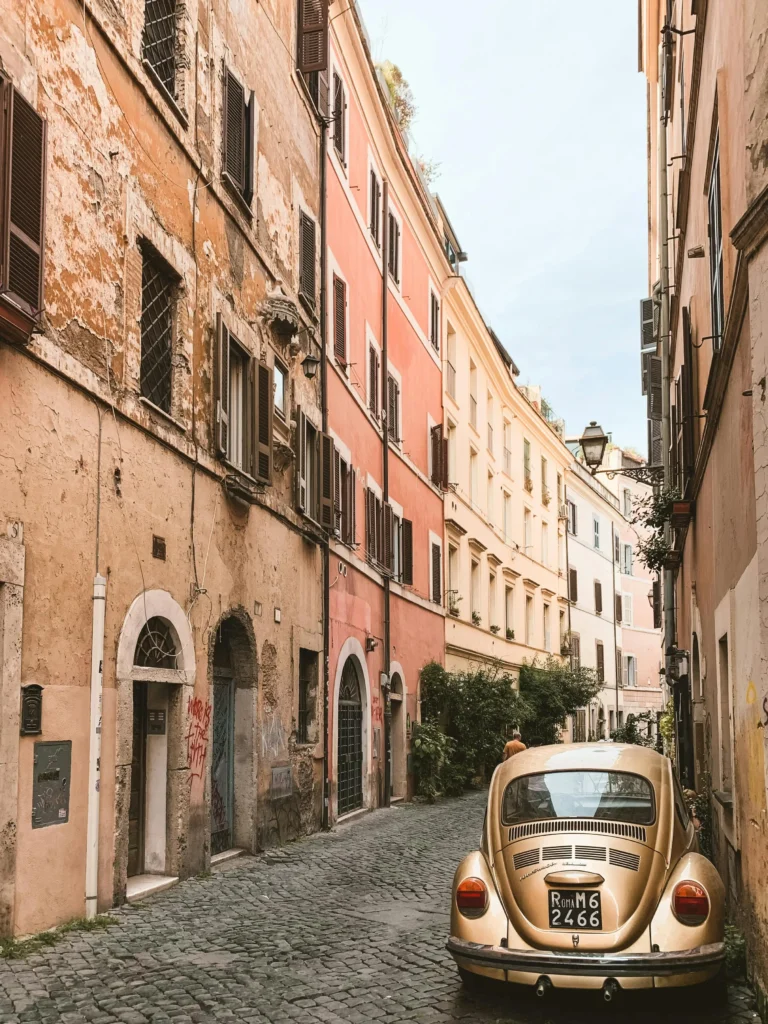
Rome’s neighborhoods offer a peek into local life. Trastevere is loved for its charm. The Monti neighborhood is a bohemian gem.
Florence: Renaissance Art and Tuscan Charm
Florence is the heart of the Renaissance, filled with art and culture. Walking by the Arno River, you see the city’s Renaissance beauty. Iconic landmarks have inspired artists for ages.
Uffizi Gallery and Michelangelo’s David
The Uffizi Gallery is a treasure of Renaissance art. It has Botticelli’s “The Birth of Venus” and more. Don’t miss Michelangelo’s “David,” a masterpiece of Renaissance art.
Duomo and Historic Center
The Duomo, or Cathedral of Santa Maria del Fiore, stands tall. Its terracotta-tiled dome was designed by Filippo Brunelleschi. The historic center has charming streets, markets, and architecture that shows the city’s history.
Day Trips to Tuscan Countryside
A trip to the Tuscan countryside is a peaceful break from the city. You’ll see rolling hills, vineyards, and medieval villages. Visit a winery, enjoy a Tuscan meal, and take in the views that have inspired artists.
Venice: Navigating the Floating City
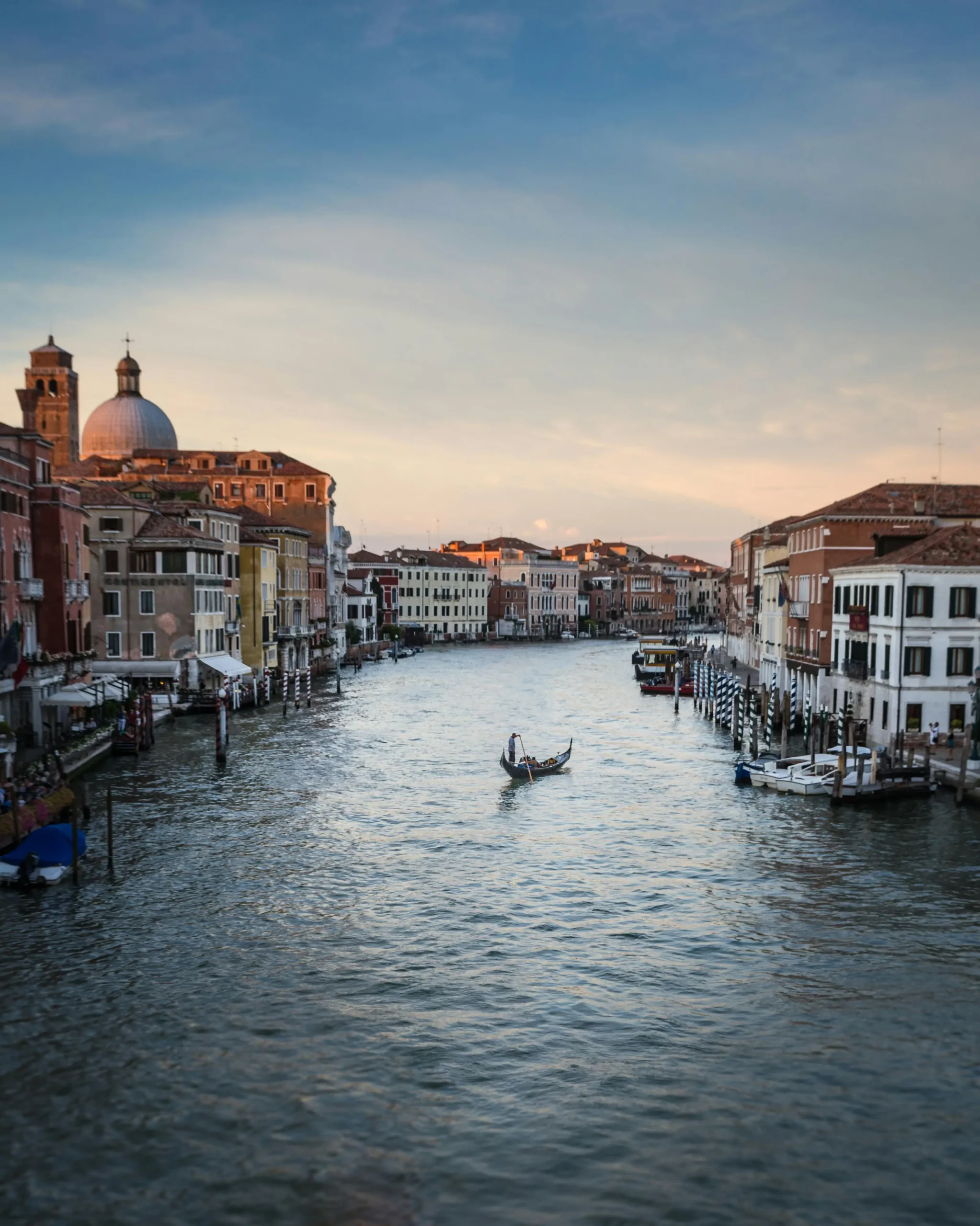
Venice, a city built on water, is full of surprises. While many visit St. Mark’s Square, there’s more to see. This enchanting city has much to offer.
Beyond St. Mark’s Square
Exploring beyond the famous square, you’ll find Venice’s authentic charm. Wander through the Sestiere di Cannaregio, one of Venice’s oldest areas. Here, you can see local life up close.
Canal Experiences Worth the Splurge
A gondola ride through Venice’s canals is a must. It gives a unique view of the city’s beauty. For something different, try a vaporettos (water bus) ride to the outer islands.
Hidden Venice: Lesser-Known Islands
Check out the lesser-known islands like Torcelli and Lido di Venezia. They reveal Venice’s hidden treasures. These spots show traditional Venetian life and beautiful landscapes.
| Island | Main Attraction | Best Time to Visit |
|---|---|---|
| Torcelli | Cathedral of Santa Maria Assunta | Early Morning |
| Lido di Venezia | Beaches and Film Festival | Afternoon |
Another must-read:
What is the nicest part of Italy to visit?
What is the top 3 destination in Italy?
Naples and the Amalfi Coast: Southern Italian Splendor
Exploring Southern Italy, I found the stunning beauty of Naples and the Amalfi Coast. This area is full of history, culture, and natural wonders. It’s a top spot for travelers.
Naples: Pizza Birthplace and Cultural Hub
Naples, where pizza was born, mixes tasty food with rich culture. A trip to the National Archaeological Museum is essential. It showcases artifacts from Pompeii and Herculaneum. And, of course, try a traditional Neapolitan pizza for a memorable taste.
Positano, Amalfi, and Ravello Highlights
The Amalfi Coast is famous for its towns on cliffs. Positano is a dream for photographers with its vibrant houses and steep paths. Amalfi and Ravello are known for their history, landscapes, and music. Ravello is famous for Villa Rufolo and the Ravello Festival.
Day Trip to Pompeii and Mount Vesuvius
A trip to Naples isn’t complete without visiting Pompeii and Mount Vesuvius. Pompeii’s ancient ruins, preserved by the volcano, are awe-inspiring. Mount Vesuvius offers stunning views of the Bay of Naples.
Hidden Gems: Lesser-Known Italian Treasures
Italy has more than just Rome, Florence, and Venice. There are many hidden gems to discover. These lesser-known spots offer a unique and authentic experience.
Bologna and Emilia-Romagna
Bologna, the capital of Emilia-Romagna, is a medieval city with a rich history. Its historic center is filled with beautiful churches and picturesque streets. The famous Piazza Maggiore is a must-see.
The region is famous for its culinary delights. You can try prosciutto di Parma and Parmigiano-Reggiano cheese.
Lake Como and the Italian Lakes
Lake Como, in the Italian Alps, is perfect for nature lovers. The towns of Bellagio and Varenna offer stunning views. You can enjoy boat rides, hiking, and relaxing in this beautiful setting.
Sicily’s Ancient Wonders
Sicily, Italy’s largest island, is rich in history and ancient ruins. The Valley of the Temples in Agrigento is a must-see. It has well-preserved Greek temples.
Don’t miss the Greek Theater in Taormina and the Roman mosaics in Piazza Armerina.
As
“The world is a book, and those who do not travel read only one page.”
– Saint Augustine, Italy has many pages to explore. These hidden gems are just the beginning.
Where to go in Italy for First Timers: My Recommended Itineraries
I’ve traveled to Italy many times and I’m excited to share my top itineraries with you. Italy has something for everyone, from history and art to food and beautiful views.
One-Week Perfect Introduction
For those with limited time, a one-week trip is perfect. Start in Rome to see the Colosseum, Roman Forum, and Vatican City. Next, head to Florence to see Renaissance art at the Uffizi Gallery. Finish in Venice, where you can explore its canals and St. Mark’s Square.
Two-Week Comprehensives Experience
With two weeks, you can explore more of Italy. Start in Rome, then Florence, and end in Venice. After that, visit the Amalfi Coast or Tuscany for more beauty and culture.
Regional Focus Options
Want to dive deep into one region? Italy has many options. For example, focus on Tuscany for its landscapes and wine, or the Amalfi Coast for its stunning views. You could also explore the Italian Lakes for a calm trip, or Sicily for history, culture, and beaches.
Some highlights for a regional focus include:
- Tuscany: Visit vineyards, explore medieval towns like San Gimignano, and enjoy the scenic countryside.
- Amalfi Coast: Discover Positano, Amalfi, and Ravello, with their colorful houses, crystal-clear waters, and stunning cliffside views.
- Italian Lakes: Enjoy the serene beauty of Lake Como, Lake Maggiore, or Lake Garda, with their picturesque towns and villas.
- Sicily: Explore the ancient Greek ruins, enjoy the baroque cities of Noto and Siracusa, and relax on the beautiful beaches.
Italian Transportation: Getting Around Like a Local
Italy is known for its rich history and beautiful landscapes. It has a good transportation system. I’ll help you understand how to use it.
Italy has a wide rail network, making trains a great choice. Train Travel Tips and Tricks are key for a smooth trip. Booking early on Trenitalia or Italo can cut ticket costs by up to 50%. A Rail Pass offers flexibility.
Train Travel Tips and Tricks
Always validate your ticket before getting on the train. Fines for unvalidated tickets are high. For long trips, take high-speed trains like Frecciarossa or Italo to save time.
| Train Type | Speed | Comfort Level |
|---|---|---|
| Frecciarossa | High-Speed | High |
| Italo | High-Speed | High |
| Regional Trains | Slow | Basic |
When to Rent a Car vs. Public Transport
Renting a car is best for places like Tuscany or the Amalfi Coast. Public transport is scarce there. But in cities like Rome or Florence, public transport is cheap and works well.
“The best way to get to know Italy is by taking the train. It’s comfortable, relatively inexpensive, and gets you to most places.” – A seasoned traveler
City Navigation Essentials
Getting around Italian cities is easy with a map or GPS. Many cities are great for walking, making it a fun way to see sights.
Where to Stay: Accommodation Options Across Italy
Italy has many places to stay, from fancy hotels to cozy agriturismos. You can find a luxurious hotel in Rome or a charming agriturismo in Tuscany. There’s something for everyone.
Historic Center vs. Residential Neighborhoods
Staying in the historic center is great because it’s close to attractions. But, staying in residential areas gives you a real local feel. For example, Trastevere in Rome or Oltrarno in Florence offer a glimpse into local life.
Unique Stays: Agriturismos and Boutique Hotels
Agriturismos are farm stays with meals from local ingredients. Boutique hotels have stylish rooms and personal service. Both let you dive into Italian culture.
Think about what matters to you: location, amenities, or a special experience. Italy’s wide range of options means you’ll find the perfect place to stay.
Italian Food: Regional Specialties You Must Try
Traveling through Italy, I found that each region has its own special food. This is because of local ingredients and traditions. Italian food is more than just pizza and pasta. It’s a mix of flavors and dishes that change from region to region.
Beyond Pizza and Pasta
Pizza and pasta are big in Italy, but there’s more to try. In Tuscany, you’ll find Ribollita, a thick soup with veggies and bread. And Bistecca alla Fiorentina, a juicy steak grilled just right.
In the north, like Lombardy, risotto is a big deal. Risotto alla Milanese is famous for its saffron taste and is served with ossobuco.
Dining Etiquette and Ordering Tips
Dining in Italy means enjoying meals slowly with many courses. You’ll have an antipasto, primo, secondo, contorno, and dolce. This helps you enjoy each part of the meal.
To order like a local, start with “antipasto” and follow the order. Don’t hesitate to ask for recommendations. Waiters love to suggest dishes based on what you like.
Food Experiences Worth Booking
Italy has many food experiences you should book. Cooking classes teach you about traditional Italian food. Wine tastings let you try some of Italy’s best wines.
| Region | Specialty | Description |
|---|---|---|
| Tuscany | Ribollita | A hearty soup made with vegetables and bread. |
| Lombardy | Risotto alla Milanese | A classic risotto dish infused with saffron. |
| Veneto | Fritto Misto | A mixed fry of seafood and vegetables. |
Practical Tips: Money, Packing, and Cultural Customs
Looking back on my Italian trip, I see that being ready is essential for a worry-free vacation. Italy’s history, art, and culture are best enjoyed when you know the practical sides of traveling there.
Budget Planning and Money Matters
Italy can be pricey, but with some planning, you can keep your spending in check. Use a credit card that doesn’t charge extra for foreign transactions. Also, have some Euros ready for when you land. Plan to spend about €50-€100 per day for food, travel, and sights.
Packing Essentials for Italian Travel
Packing wisely is key for a comfortable trip. Wear comfortable shoes because you’ll be doing a lot of walking. Remember to pack light layers for the cooler mornings and evenings, even in summer. And don’t forget an adapter for Italy’s Type F power sockets.
Cultural Do’s and Don’ts
Knowing Italian customs can make your trip better. For example, when visiting churches, dress modestly by covering your shoulders and knees. Also, be ready for a siesta in the early afternoon, when many places close. Saying a friendly “Ciao!” or “Buongiorno!” to locals can make your interactions more enjoyable.
By keeping these practical tips in mind, you’ll be set for a smooth and memorable Italian adventure.
Conclusion: Making Your First Italian Adventure Unforgettable
Thinking back on my Italian trip, I remember how the country grabbed my heart. From Rome’s old ruins to Florence’s art and Venice’s canals, Italy is full of unforgettable moments. Your first trip to Italy is coming, and with this guide, you’re set for an amazing journey.
For the best trip, follow the itineraries and tips in this article. Whether you’re in the Tuscan countryside, trying local food, or walking Italy’s streets, every moment is special. Plan your trip to Italy, mixing famous spots with hidden gems for a deep experience.
With your Italian adventure ahead, dive into Italy’s history, art, and culture. Buon viaggio, and may your travels be filled with joy, wonder, and love for la dolce vita – the sweet Italian life.
FAQ
What are the must-see attractions for first-timers in Italy?
First-timers in Italy should see Rome’s Colosseum, Florence’s Duomo, and Venice’s St. Mark’s Square. These places are full of history, art, and architecture. They give you a true taste of Italy.
How do I get around Italy?
Italy has a good transport system with trains, buses, and cars for rent. Trains are great for long trips because they’re fast and not too expensive. For short trips, buses and cars are better.
What are some hidden gems in Italy that I shouldn’t miss?
Italy has many secret spots to explore. Bologna is known for its old buildings, Lake Como for its beautiful towns, and Sicily for its ancient ruins. These places are less crowded and just as amazing.
What’s the best way to experience Italian cuisine?
The best way to enjoy Italian food is by trying local dishes. Visit markets and think about taking a cooking class. This way, you’ll learn about Italy’s food traditions.
How can I plan my trip to Italy?
Planning a trip to Italy can be tough, but with help, it’s easier. Use a travel guide or talk to a travel expert. They can help with your itinerary, booking places to stay, and transport.
What’s the best time to visit Italy?
The best time to visit Italy depends on what you like. Spring (April-May) and autumn (September-October) have nice weather and fewer people. Summer is hot and busy, while winter is cool and good for indoor sights.
Are there any cultural customs I should be aware of when visiting Italy?
Italy values its culture, so knowing local customs makes your visit better. Dress modestly at churches, respect traditions, and learn some Italian phrases. This way, you can talk to locals and enjoy your trip more.
