What is the best month to visit Iceland? Choosing the right time to visit this breathtaking Nordic island can completely transform your travel experience. Iceland’s beauty changes dramatically with the seasons — from endless summer daylight to magical winter nights illuminated by the Northern Lights.
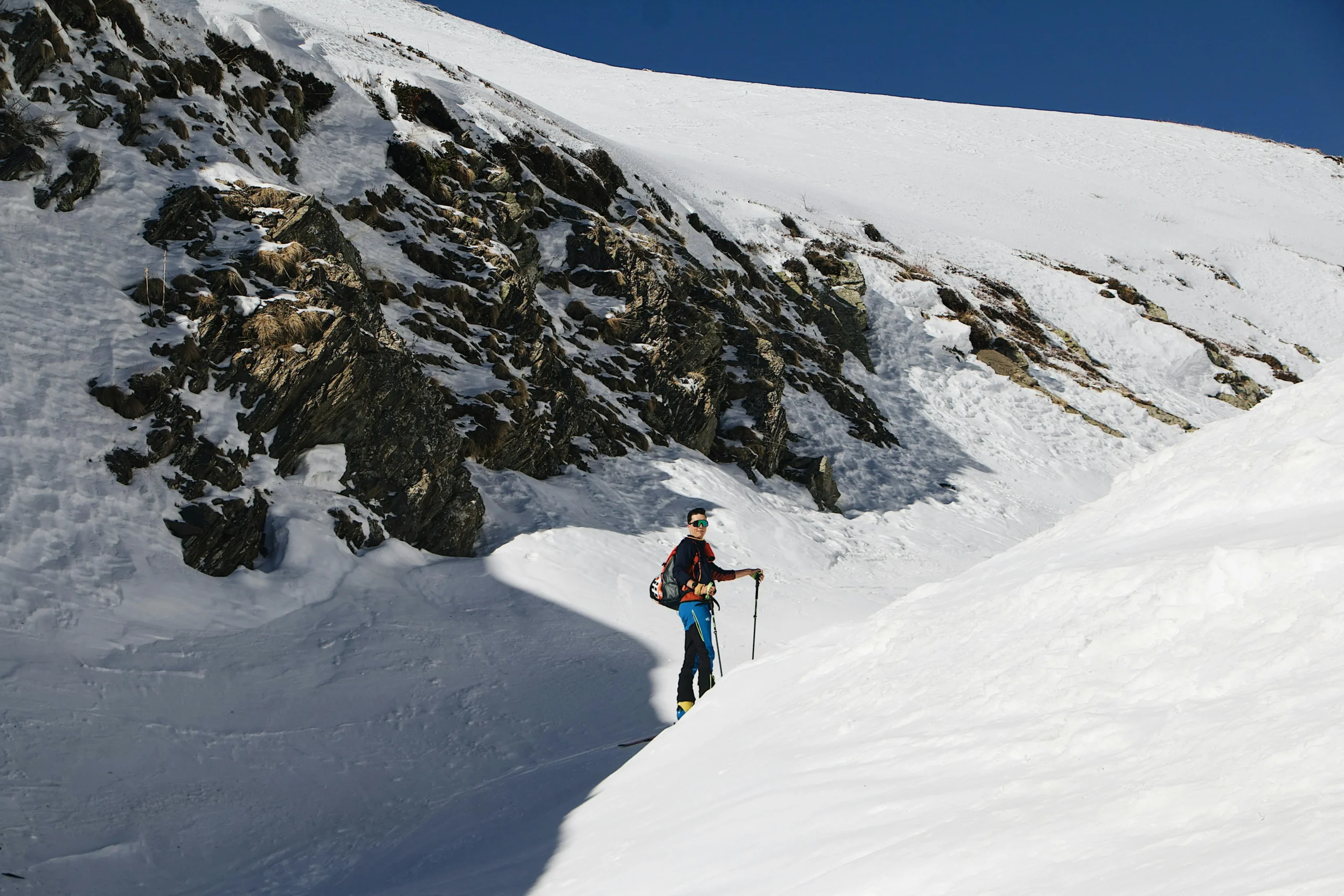
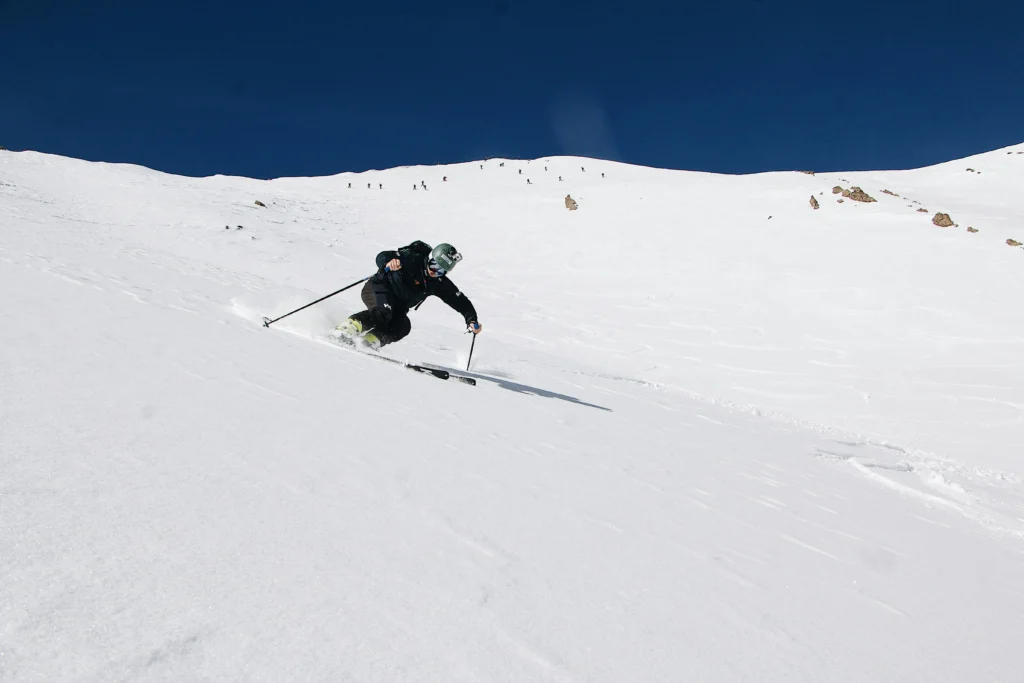
If you’re seeking adventure and easy access to Iceland’s famous Ring Road, glaciers, and waterfalls, the summer months of June to August are ideal. During this time, temperatures are mild, roads are clear, and the country is alive with festivals and outdoor activities. However, if witnessing the Aurora Borealis is at the top of your list, plan your trip between October and March, when the nights are longer and darker, offering the best conditions for viewing the lights.
Spring and autumn are perfect for travelers looking to avoid crowds while still enjoying pleasant weather and lower prices. Each season offers something unique — from blooming wildflowers to frozen waterfalls. In this guide, we’ll help you decide the best month to visit Iceland based on your interests, budget, and weather preferences, ensuring your trip is both unforgettable and perfectly timed.
Choosing when to visit Iceland is a bit like choosing a favorite color. The best answer depends on what you want most: northern lights, midnight sun, quiet roads, or summertime festivals. The payoff for getting it right is huge. Pick the right month and Iceland feels tailor-made for the trip you have in mind.
Here is a clear guide to help you decide with confidence.
If you want a shortcut before the deep dive, start here.
September: Balanced choice for mild weather, fall colors, fewer crowds, high odds of northern lights, and mostly open roads.
March: Strong pick for aurora with longer days than midwinter, winter scenery, and good tour availability.
June: Midnight sun, wildflowers, puffins, and lively cultural events. Great for photographers who love long golden hours.
July: Peak for hiking and Highland access, green landscapes, whale watching, and stable road conditions.
May: Shoulder season prices, longer daylight, puffins return by late month, and spring energy without summer crowds.
November: Best value for aurora-focused trips, cozy city life, and dramatic early winter light.
Each of these months solves a different “I want” statement. Your priorities will point to one of them.
Iceland by the seasons
Winter glow and long nights (November to March)
If northern lights are your dream, winter is your season. Darkness is your friend, and Iceland has plenty of it. The landscape wears snow, waterfalls build icy fringes, and the cities feel warm and social with candle-lit cafes and geothermal pools.
Winter brings frequent weather changes and occasional storms, so flexibility matters. Many Highland and interior roads are closed, but guided super jeep tours and glacier walks pick up the slack. The trade-off is smaller crowds outside the holidays and standout value in early winter.
Spring thaw and new life (April and May)
Days lengthen fast, the earth softens, and migrating birds return. Waterfalls roar with meltwater, and by late May puffins start appearing on sea cliffs. Expect a mix of weather: some crisp nights, some bluebird days. This is a sweet spot for lower prices, more daylight, and growing access without summer traffic.
Summer brightness and open roads (June to August)
This is the high season for a reason. The midnight sun creates endless dusk and dawn, trails are open, and the Highlands become reachable by 4×4. Wildlife viewing peaks, ferries and regional flights run frequent schedules, and festivals bring color to long evenings. It is busy, so book early and expect higher prices in popular areas.
Autumn contrasts and aurora returns (September and October)
Fall colors sweep across moss and birch. Harvest traditions come alive, and the aurora returns to dark skies. September, in particular, blends summer accessibility with winter’s magic. October cools down, brings moodier light, and can see the first snows in the north.
Embrace Iceland with its vibrant contrasts and ever-evolving beauty; every month offers a unique tapestry of experiences waiting to be explored.
Iceland’s diverse seasons weave a captivating story, each month offering an unparalleled opportunity to witness its majestic splendor unfold.
Month-by-month snapshot
Numbers are approximate, based on Reykjavik daylight and coastal temperatures. The north and interior can be colder and snowier.
Month
Avg Temp F
Daylight Hours
Aurora Chance
Road Access
Crowds
Cost Level
Signature Highlights
Jan
27 to 37
4 to 7
High on clear nights
Ring Road open with winter conditions
Low
Low
Ice caves, blue hour photography, steaming lagoons
Feb
28 to 38
7 to 10
High
Similar to Jan
Low to moderate
Low
Winter Lights Festival, glacier hiking
Mar
30 to 39
10 to 13
High early, moderate late
Improving
Moderate
Moderate
Aurora plus longer days, late-season ice caves
Apr
34 to 44
13 to 16
Moderate early, low late
Better, interior still closed
Moderate
Moderate
Waterfalls in full flow, seabirds returning
May
39 to 48
16 to 20
Low
Most coastal roads clear
Moderate
Moderate
Puffins arrive late month, wildflowers, lambing season
Jun
44 to 52
20 to 24
Very low
Excellent, some F-roads opening
High
High
Midnight sun, lupines, National Day events
Jul
48 to 55
18 to 21
Low
Best of the year, Highlands open
Very high
Very high
Highland hiking, whale watching, festivals
Aug
47 to 54
15 to 18
Rising late month
Very good
High
High
Berry picking, warmer seas, first aurora late month
Sep
42 to 50
11 to 14
High
Good, some Highland routes close later
Moderate
Moderate
Fall colors, sheep round-ups, stable conditions
Oct
36 to 44
8 to 10
High
Variable, early snow in north
Low to moderate
Low to moderate
Moody light, first snow, cozy cities
Nov
30 to 38
5 to 7
High
Winter conditions return
Low
Low
Value season, aurora focus, storm watching
Dec
27 to 36
4 to 5
High
Short days, winter driving
Moderate during holidays
Moderate to high over holidays
Festive lights, New Year fireworks, ice caves
Picking your month by travel goal
If you want the northern lights
Best months: September, October, November, February, March
Best regions: Away from city lights, think Snaefellsnes, South Coast, North Iceland
Tip: Plan at least 4 nights for better odds, watch the cloud cover forecast more than the activity index
If you want the midnight sun
Target: Late May through mid July
Best regions: Westfjords, North Iceland, any open Highland edge
Tip: Shift your schedule and shoot landscapes late at night to avoid crowds and get painterly light
If you want hiking and Highlands
Prime window: Late June to late August
Iconic routes: Laugavegur and Fimmvorduhals trails, Kerlingarfjoll, Askja region
Tip: A proper 4×4 makes a huge difference for F-roads, and river crossings demand caution
If you want wildlife
Puffins: Late May to mid August on cliffs in Westman Islands, Borgarfjordur Eystri, Dyrholaey
Whales: April to October, with many sightings in June and July from Husavik, Akureyri, Olafsvik
Seals: Year-round at places like Ytri Tunga and Hvammstangi
If you want fewer crowds
Shoulder season sweet spots: May and September
Deep shoulder: November and early December, plus late January
Strategy: Stay in smaller towns, travel at off-peak hours, and seek out the Westfjords or Eastfjords
If you want value
Best bets: November, early December, late January, early February
Where to save: Rental cars, lodging outside Reykjavik, and tours if booked ahead
Tip: Watch holiday periods, when prices can spike even in winter
Weather and daylight reality check
Iceland’s weather flips fast. A calm morning can turn into gusty rain by midday, then clear for a sunset that lasts an hour. Pack for swing seasons, even in July.
Key points:
Wind shapes daily plans. Always check vedur.is for wind and precipitation, and road.is for conditions and closures.
Winter roads can be icy, especially on bridges and north-facing stretches. If you are not used to it, consider a guided tour for heavy-weather days.
Summer rainfall is common, but often passes in bands. Patience pays off in golden light.
Daylight changes quickly. March and September feel different at the start and the end of the month.
Regional flavor by month
Reykjavik and the Reykjanes Peninsula: Year-round scene with museums, coffee culture, and geothermal spots. Great storm watching in November and December, and lively events in summer.
South Coast: Accessible most months, with waterfalls, black sand beaches, and glacier views. Winter can bring strong winds here, so keep an eye on forecasts.
Snaefellsnes Peninsula: A strong all-rounder. Good winter aurora composition, summer hiking, and shoulder season solitude.
North Iceland: Longer winters, deeper snow, great whale watching from spring through summer. Akureyri is a cozy base in cold months.
Eastfjords: Quiet roads, dramatic fjords, and reindeer in winter. Peak hiking in July and August, with fewer tour buses than the south.
Westfjords: More remote. Roads are best from late June to early September. Rugged cliffs and nesting seabirds reward those who make the trip.
Highlands: Usually open late June to early September only. If these wild interiors call to you, plan around that window.
Events and festivals that add color
Winter Lights Festival, early February: Illuminations, art, and outdoor fun that brighten the dark months.
National Day, June 17: Parades and street concerts across the country.
Reykjavik Pride, early August: Joyful and welcoming, with a big parade.
Culture Night, mid to late August: Citywide parties, art, and fireworks.
Réttir, September: Traditional sheep round-ups in rural communities, a cultural highlight if you time it right.
Iceland Airwaves, early November: A music festival that pulls talent from around the world into intimate venues.
New Year’s Eve: Fireworks and bonfires, one of the most spirited nights of the year.
These events can shape hotel availability, so book early if your trip overlaps.
Smart booking windows
Summer (June to August): Reserve lodging and cars 4 to 8 months ahead. Highland huts sell out fast.
Shoulder months (May, September): Aim for 2 to 4 months ahead for the best mix of choice and price.
Winter: Outside holidays, 1 to 3 months ahead often works, though aurora hotspots can still fill on short notice.
For tours that sell out quickly, think glacier hikes, Katla ice caves, Blue Lagoon time slots, and small-group Highlands trips.
Packing by month
The right layers will make your trip. Think breathable, quick-drying fabrics and wind protection.
Base layers: Merino or synthetic tops and leggings year-round in a light or medium weight.
Mid layers: Fleece or light down in spring and fall. Heavier down or a warm fleece combo in winter.
Shell: Waterproof and windproof jacket and pants. Iceland’s wind finds every gap.
Footwear: Waterproof hiking boots with good grip. Add microspikes from November through March if you plan to walk on icy paths.
Accessories: Warm hat, gloves, buff or neck gaiter, sunglasses, and a swimsuit for hot springs.
Summer extras: Sleep mask for the midnight sun, bug net for some inland trails, lighter gloves for cool evenings.
Tech: Power bank, dry bags for cameras, and a car charger. A headlamp helps in winter.
Example trips that match the month
March: Aurora and winter textures, 7 days
Days 1 to 2: Reykjavik, Blue Lagoon or Sky Lagoon, late-night aurora chase if the skies clear
Days 3 to 4: South Coast to Vik, ice cave tour, Skogafoss and Seljalandsfoss with frozen spray
Days 5 to 6: Jokulsarlon and Diamond Beach, glacier walk, then return west
Day 7: Golden Circle, Laugarvatn Fontana or Secret Lagoon soak, final aurora attempt
What you get: Northern lights with a real chance of clear windows, snow-dusted waterfalls, and longer days than deep winter.
July: Highlands and whales, 9 days
Days 1 to 2: Snaefellsnes for basalt cliffs, coastal hikes, and sunset that lasts forever
Days 3 to 4: Husavik or Akureyri for whale watching and geothermal spots like Myvatn
Days 5 to 7: Highland base for Laugavegur day hikes or Kerlingarfjoll, with careful 4×4 routing
Days 8 to 9: South Coast return, puffins in the Westman Islands if seas permit
What you get: Maximum access, stable road conditions, and abundant wildlife.
September: Balanced and beautiful, 8 days
Days 1 to 2: Reykjavik and Snaefellsnes, sea stacks and mossy lava fields in soft light
Days 3 to 4: West or Eastfjords for quieter roads and early fall colors
Days 5 to 7: South Coast and Vatnajokull region, lagoon boat tour, early-season aurora hunting
Day 8: Golden Circle and geothermal soak
What you get: The best blend of value, access, and aurora odds with manageable crowds.
Photography notes by month
Winter: Deep blue hour and clear ice textures. Bring fast lenses and a sturdy tripod for wind. Batteries drain quickly in cold.
Spring: Water volume peaks at waterfalls, and misty mornings create soft light.
Summer: Midnight sun gives endless sidelight and color gradients. Consider neutral density filters for long exposures.
Autumn: Fiery tundra and birch, aurora over still lakes, and atmospheric fog on calm mornings.
Food and drink across the calendar
Cozy winter treats: Lamb soup, hot chocolate, bakery stops, and geothermal rye bread with smoked trout.
Summer pleasures: Food trucks, fish straight off the boat, local ice cream walks at midnight.
Year-round favorites: Geothermal tomato greenhouses, microbreweries, and farm-to-table menus in rural guesthouses.
Reservations are smart in July and August, and on weekends year-round in Reykjavik.
Safety and comfort, month by month
Winter driving: If you do not have snow and ice experience, let guided tours handle the big days and rent a car for easy stretches.
River crossings: Only in summer and only if you are practiced. When in doubt, do not cross.
Wind etiquette: Open car doors with two hands, park facing the wind if possible, and rethink cliff edges on gusty days.
Thermal baths: A top-tier plan B in any weather. Stash swimsuits and towels in the car so you can pivot on short notice.
So, what is the best month?
If one month consistently checks the most boxes for most travelers, September takes it. You get dark-enough nights for aurora, day lengths that invite road trips, roads largely open, lingering warmth, and lower prices than midsummer.
That said, best is personal:
Pick March if aurora is your goal and you want real winter atmosphere without the shortest days.
Pick June if you crave midnight sun and festival energy.
Pick July if your heart is set on the Highlands and long hikes.
Pick May if you want shoulder-season calm with spring wildlife.
Pick November if value and cozy nights win the day.
Your perfect Iceland month is the one that serves your top priority and suits your travel style. Decide what you want most, match it to the window above, then build a plan around weather flexibility and early bookings. The payoff is a trip that feels exactly right.
Iceland Travel FAQ
When planning a trip to the land of fire and ice, it is essential to tailor your visit to your interests and priorities. Here are some frequently asked questions to guide your journey.
September often tops the list for its balanced offering of favorable weather, auroral displays, and fewer crowds.
Is winter the best time to see the northern lights?
Yes, winter months like November through March are ideal for aurora hunting due to long, dark nights.
When can I experience the midnight sun?
Late May through mid-July offers endless daylight and unique photography opportunities.
Are the Highlands accessible year-round?
Highland access peaks in July and August, when roads are open and conditions are stable.
Where and when are the best wildlife sightings?
Late May to mid-August is prime for puffins, while whale watching spans April to October.
How can I avoid the crowds in Iceland?
Aim for shoulder months like May and September, or visit the lesser-trodden Eastfjords.
Which months offer the best value?
November, early December, late January, and early February are great for budget-conscious travelers.
When contemplating the best month to visit Iceland, September emerges as a premier choice, offering travelers mild weather, vibrant fall colors, and the enchanting northern lights amidst manageable crowds and open roads. However, specific interests should guide your decision: March excels for those captivated by auroral displays with winter’s scenic allure, while June draws festival enthusiasts and photographers eager for the midnight sun. July promises adventurers unmatched access to the Highlands and vibrant green landscapes, ideal for hiking and wildlife observation. Alternatively, May presents a serene shoulder season, with longer daylight revealing spring’s burgeoning energy without summer crowds. For budget-conscious explorers desiring atmospheric charm and aurora magic, November offers cozy city life and dramatic light, making it a prime time to experience Iceland’s wintry wonder without breaking the bank.
Venturing to Iceland is a journey enriched by its stunning landscapes, which transform with every passing month. Whether you are chasing the northern lights or immersing yourself in the midnight sun, Iceland has it all.
Deciding when to embark on your Icelandic adventure is crucial. Each month offers unique experiences, from the tranquility of colorful autumn leaves to the vivacity of summer festivals.
The real charm of Iceland lies in its diverse offerings throughout the year. September seamlessly blends the allure of the northern lights with picturesque fall foliage and invites travelers with mild weather and fewer crowds. March stands out with its longer days, presenting an excellent chance to witness the aurora amidst winter’s serene beauty.
Ultimately, choosing the best month to visit Iceland depends on aligning your travel desires with what each season promises. Whether yearning for winter’s ethereal ambiance or summer’s lively spirit, Iceland’s captivating landscapes await, ready to unfold a breathtaking tableau unique to your chosen time. Embrace the journey, and let Iceland’s ethereal beauty leave you inspired and enriched.
Discover the **best travel destinations**, practical **insurance** advice, step-by-step **guides**, and smart **tips** to make every journey unforgettable. From unique **travel ideas** to in-depth country explorations, TravelPulsey helps you plan, save, and experience the world with confidence. Whether you’re a first-time explorer or a seasoned traveler, our blog is your trusted source for everything travel.