

Planning a trip to Iceland needs careful thought. Many wonder what is the best month to visit Iceland. The island changes a lot throughout the year. Your timing affects your whole adventure.
Seasonal shifts change the weather and roads. Summer is great for traveling the Highlands. Winter is magical, perfect for cozy stays. Knowing this helps match your interests with Iceland’s Arctic rhythm.

Choosing when to go is key to a memorable trip. Balancing your wants with the weather lets you create a truly personalized itinerary. Let’s see how each season shapes this amazing place.
Key Takeaways
- Iceland offers distinct experiences depending on the season you choose.
- Summer provides long daylight hours and access to remote interior regions.
- Winter is ideal for viewing the Aurora Borealis and enjoying snowy landscapes.
- Weather conditions change rapidly, making flexible travel plans essential.
- Your preferred activities should guide your decision on when to book your trip.
Understanding the Icelandic Climate and Seasonal Shifts
If you’re wondering about the best time to visit iceland 2026, you need to understand its weather. Iceland is near the Arctic Circle but its climate is milder than expected. This makes it perfect for adventure seekers all year round.

The Influence of the Gulf Stream on Coastal Weather
The North Atlantic Current, part of the Gulf Stream, keeps coastal temperatures mild. This warm water comes from the Gulf of Mexico. It stops the coastline from freezing in winter.
Coastal towns stay relatively warm, near freezing, thanks to this current. This is key for those looking for milder weather. But, the highlands are colder and rougher, no matter the season.
Predicting Unpredictable Weather Patterns
Iceland’s weather is known for changing quickly. Cold Arctic air meets warm currents, leading to highly volatile atmospheric conditions. You might see sunshine, rain, and strong winds in one day.
To deal with these changes, flexibility is your greatest asset. Always check the weather and road conditions before going out. With the right clothes, you can enjoy Iceland’s changing landscapes safely.
What is the Best Month to Visit Iceland for Northern Lights Hunters
Many travelers wonder what is the best month to visit Iceland for the Aurora Borealis. Seeing the lights depends on dark skies, clear weather, and solar activity. These factors are key for a breathtaking display.

Why September and March Offer the Best Balance
September and March are the top months for aurora fans. The Earth’s magnetic field is more active during these times, leading to better displays. These months also have a good mix of daylight and darkness for viewing.
The Reality of Winter Darkness and Aurora Visibility
Winter months have long nights but unpredictable weather. Clouds can block the view, even with high solar activity. Knowing what is the best month to visit Iceland means understanding that longer nights don’t always mean better views.
Tips for Maximizing Your Chances of Seeing the Lights
To see the lights, check the weather and solar activity daily. Being flexible with your plans helps you find clear skies. Patience is key when searching for the green glow.
- Check the Aurora forecast on the Icelandic Met Office website.
- Look for areas with low cloud cover using satellite maps.
- Find a dark location away from city light pollution.
| Month | Daylight Hours | Aurora Potentia | Weather Stability |
|---|---|---|---|
| September | Moderate | High | Moderate |
| December | Very Low | High | Low |
| March | Moderate | High | Moderate |
Choosing the best month for the lights in Iceland is about finding clear skies and cold tolerance. Focus on the equinox months for a great experience.
Exploring the Midnight Sun and Summer Landscapes
Imagine hiking through pristine highlands with the sun on the horizon at midnight. In the peak of summer, Iceland sees the extraordinary Midnight Sun. This event gives almost 24 hours of daylight, making the whole island a vibrant playground for outdoor lovers.
The Magic of June and July in the Highlands
June and July are the best months to explore the country’s interior. As snow melts, the rugged terrain shows off lush valleys, colorful mountains, and steaming vents. It’s a photographer’s paradise with soft, golden light that lasts for hours.
Accessing Remote Regions via F-Roads
To get to the highlands’ most secluded spots, you need to drive on F-roads. These mountain paths are open only in summer when it’s safe. You’ll need a sturdy 4×4 vehicle to cross rivers and navigate steep, rocky areas.

Benefits of 24-Hour Daylight for Sightseeing
Visiting during this time means more time to explore. You can visit waterfalls or trails in the evening to avoid the peak crowds that come during the day. This lets you plan a trip that’s both relaxed and productive.
The sun never sets, so you don’t have to rush back to your place. This freedom is great for seeing the Icelandic wilderness at your own pace. Whether you’re a seasoned hiker or just sightseeing, summer is the best time to see the island’s heart.
Shoulder Season Travel Benefits and Drawbacks
Deciding when to visit Iceland can be tricky. Many wonder what is the best month to visit iceland to dodge summer crowds but enjoy good weather. May and September are great options for a balanced trip.

The Appeal of May and September
May is a lovely time as Iceland starts to warm up. Days get longer, perfect for exploring without the endless daylight of summer. Nature starts to bloom, and waterfalls are at their peak.
September brings a cool vibe, signaling autumn’s arrival. It’s a top choice for those who want to hike and see the Northern Lights. The landscape turns golden and red, ideal for photos.
Balancing Accessibility and Fewer Crowds
Traveling in these months means fewer tourists. You can visit places like the Golden Circle without the crowds of July and August. Accommodation costs are lower, and booking is easier for those on a budget.
But, some areas might be hard to reach. Main roads are usually clear, but weather can be unpredictable. This requires a flexible plan. Think about these points to decide the best month for you.
| Feature | May | September |
|---|---|---|
| Daylight Hours | Increasingly long | Gradually decreasing |
| Landscape | Fresh green growth | Autumnal colors |
| Aurora Poteential | Very low | Moderate to high |
| Crowd Levels | Low to moderate | Moderate |
Winter Wonderland Adventures and Arctic Conditions
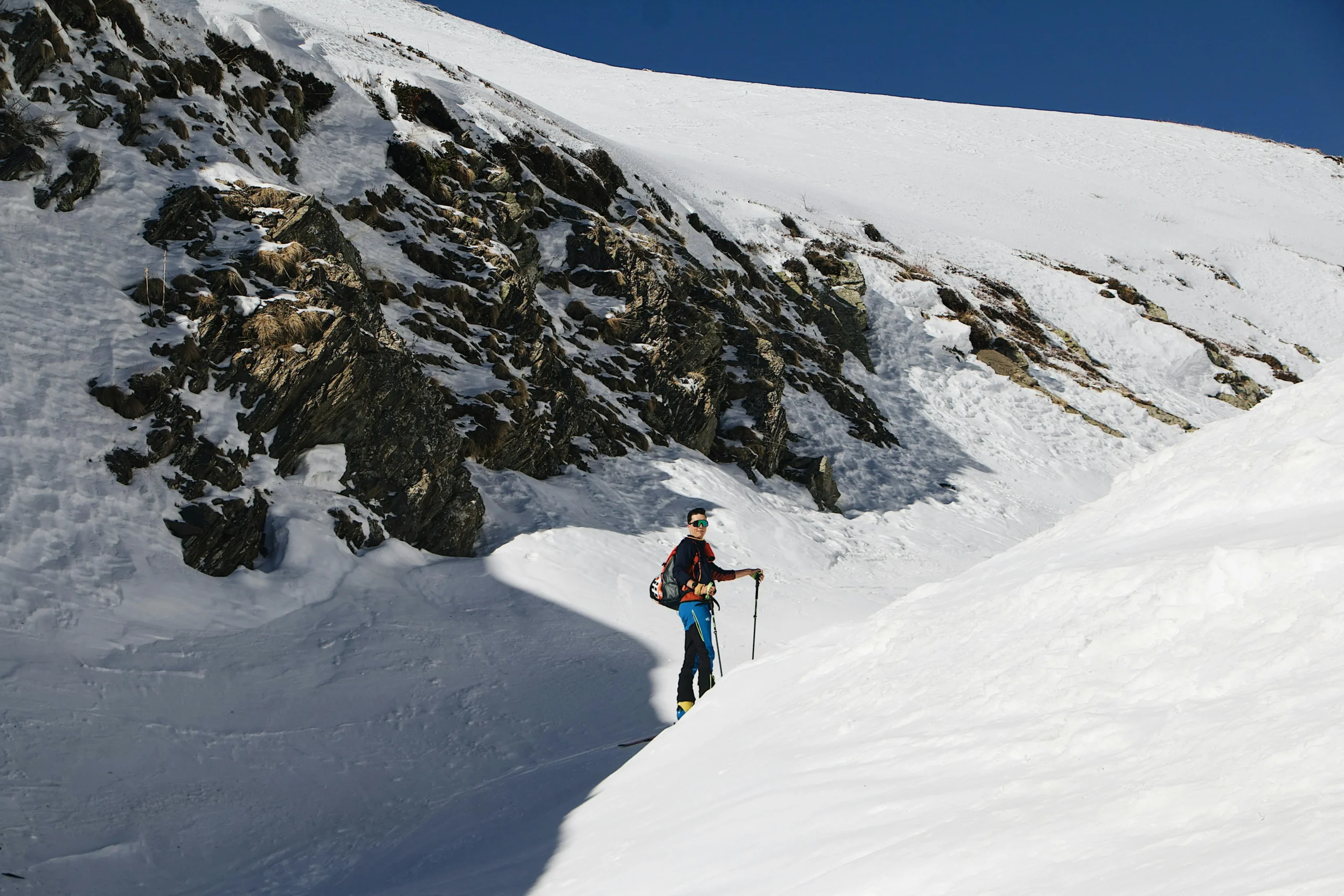
Embracing the Arctic chill opens up a world of unique adventures you can’t find at any other time. The days are shorter, but the landscape turns into a dramatic, frozen masterpiece. It’s a season for those who want to feel nature’s raw power.

Ice Cave Exploration and Glacier Hiking
One of the most thrilling experiences in Iceland is exploring a natural ice cave. These crystal-blue caverns are only open during the coldest months. Always book a guided tour to explore these fragile environments safely.
Glacier hiking lets you walk across ancient, shifting ice. Guides provide crampons and ice axes for safety. Witnessing the deep crevasses and frozen formations up close is unforgettable.
The Challenges of Driving in Snowy Conditions
Driving in Iceland’s winter countryside needs preparation and caution. Roads can quickly change from clear to snow-covered due to high winds and shifting weather. Always rent a 4×4 vehicle with high-quality winter tires.
Visibility drops during heavy snowstorms, making driving hard even for experienced drivers. Always check road conditions before you leave. Never drive on roads marked as closed, as they are often impassable and dangerous.
Safety Precautions for Winter Travelers
Your safety is key during winter excursions in the North. Always check the official weather forecast and road condition websites before leaving. Staying informed helps avoid getting stranded in remote areas.
Carry a fully charged phone and a portable power bank, as cold temperatures drain batteries fast. Pack extra layers, high-energy snacks, and water in your vehicle. If you’re uncomfortable with the conditions, wait for the weather to improve instead of risking your safety.
Planning Your Trip Based on Specific Icelandic Activities
Timing your visit to Iceland is key to seeing the best wildlife. By matching your trip with the natural cycles of local animals, you can make your vacation unforgettable. Whether you want to see whales or colorful birds, knowing the best times is vital.

Whale Watching Seasons and Migration Patterns
Iceland’s waters are a key spot for whales from April to September. This is when the sea is full of food, attracting whales and dolphins. You can see Minke whales, White-beaked dolphins, and Humpback whales during this time.
In the summer, you might see Blue whales or Orcas. Tours leave from Reykjavik, Husavik, or Akureyri. Visiting in mid-summer means calmer seas and more daylight for spotting.
Puffin Spotting and Birdlife Timing
The Atlantic Puffin is a favorite among visitors. They arrive in late April and leave in mid-August. To see them, plan your trip for these four months.
Coastal cliffs like Dyrhólaey or the Westman Islands are full of puffins in summer. You can also see Arctic Terns and Fulmars. Keep a safe distance to respect these birds while taking photos.
| Wildlife Activity | Peak Season | Best Locations |
|---|---|---|
| Whale Watching | April – September | Husavik, Reykjavik |
| Puffin Nesting | May – August | Westman Islands, Dyrhólaey |
| Bird Migration | May – July | Latrabjarg Cliffs |
Budget Considerations for Different Times of the Year
Planning a trip to Iceland means looking at your budget closely. Costs change a lot throughout the year. The island is beautiful all year, but the cost varies by season. Understanding these changes helps you plan your trip without breaking the bank.
High Season Pricing and Accommodation Demand
The summer, from June to August, is the busiest time in Iceland. Accommodation demand is highest, making hotel and guesthouse prices go up. It’s key to book early to get a spot in popular spots.
Car rentals and flights also get pricier in summer. This is because more people want to see the Arctic Circle. Visitors should expect to pay more during the midnight sun.
Finding Value During the Off-Peak Months
Winter, from November to March, is cheaper. Hotels and tours offer discounts to attract visitors in the cold, dark season. You can find great deals on luxury stays that are pricey in summer.
Traveling in late September or April is a good middle ground. It’s not too cold, and you save money. By choosing these times, you can enjoy Iceland without the crowds and keep costs down.
| Season | Accommodation Cost | Flight Pricing | Overall Value |
|---|---|---|---|
| Summer (Peak) | High | Premium | Lower |
| Shoulder | Moderate | Average | Good |
| Winter (Off-Peak) | Low | Budget-Friendly | Highest |
Crowd Levels and Popular Tourist Hotspots
Many travelers visit the same famous spots, but you can find peace in Iceland. The country has seen a big rise in visitors, making some areas busy during the day. Planning your trip carefully helps you enjoy the views without the crowds.
Managing the Golden Circle Rush
The Golden Circle is the most visited path in Iceland. To dodge the crowds, timing is key. Big tour buses from Reykjavik usually arrive between 10:00 AM and 3:00 PM.
Arrive early in the morning or late in the evening to avoid the crowds. Summer’s long days let you visit sites like Gullfoss waterfall at 8:00 PM. It’s a peaceful way to see nature’s power.

Finding Solitude in the East and North Fjords
For a quieter experience, head to the East and North Fjords. These areas are less crowded than the south, giving you a closer connection to nature. You’ll see stunning mountains, quiet villages, and scenic coastal roads.
Getting to these spots takes time, but it’s worth it for those seeking peace. You can hike in green valleys or watch the sea without seeing anyone. Enjoying the slower pace of the north and east lets you see Iceland’s true beauty.
Essential Gear for Every Season in Iceland
Iceland’s landscapes change quickly, with four seasons in one day. Proper preparation is key for a great trip. The right gear keeps you warm, dry, and ready for anything.
Layering Strategies for Variable Weather
A versatile layering system is the key to comfort in Iceland. Start with a moisture-wicking base layer, like merino wool or synthetic fabric. This keeps sweat away, helping you stay warm.
For the mid-layer, pick a fleece or a lightweight down jacket. This adds warmth. Always carry a high-quality waterproof and windproof shell as your outer layer. This lets you adjust as the weather changes.
Footwear Requirements for Rugged Terrain
Iceland’s terrain is rough, rocky, and slippery. Your footwear choice is critical. You need sturdy hiking boots with good ankle support and deep tread for grip. Sneakers or fashion boots are not suitable.
Waterproofing is essential for your footwear. You’ll face mud, streams, and wet grass. Durable, waterproof boots will keep your feet dry and prevent blisters. This lets you enjoy the views without discomfort.
Navigating Icelandic Roads and Transportation Logistics
Exploring Iceland’s varied landscapes is an adventure that needs the right travel plan. The terrain changes quickly, so your choice of travel method greatly affects your journey. Preparation is the secret to a stress-free journey across this volcanic island.
Car Rental Requirements for Different Seasons
Renting a car gives you the freedom to explore at your own pace. In summer, a standard car is usually enough for the Ring Road. But, for gravel F-roads, you need a legally required 4×4 vehicle for safety.
Winter travel is a different story. You must choose a strong 4×4 with good winter tires. Also, check the road administration website daily for updates on road closures due to storms.
Public Transport and Guided Tour Availability
If you don’t want to drive, Iceland has reliable alternatives. The public bus network connects major towns but may not reach remote areas. Guided tours are often the best solution for those who want to see sights without driving worries.
Many tour operators offer pick-up from Reykjavik hotels. They offer day trips to the Golden Circle and longer South Coast adventures. Guided tours let you relax and enjoy the views while a local driver handles the driving.
| Transport Mode | Best For | Flexibility | Difficulty |
|---|---|---|---|
| Rental Car | Independent travelers | High | Moderate |
| Guided Tours | Stress-free sightseeing | Low | Easy |
| Public Bus | Budget travelers | Very Low | Moderate |
Cultural Festivals and Local Events by Month
Iceland’s soul shines through its lively festivals and traditions. Joining the local community adds a unique dimension to your trip. You’ll see the country through the eyes of its people. Every season brings a celebration to discover.
Celebrating Icelandic Heritage and Music
Iceland’s arts scene is vibrant and global. Music fans visit Reykjavik for top-notch shows in cozy venues. The mix of modern and ancient is captivating.
Key events highlight the arts and music calendar:
- Reykjavik Arts Festival: A June event featuring visual arts, theater, and music citywide.
- Iceland Airwaves: In November, this music festival turns Reykjavik into a lively talent showcase.
- Secret Solstice: A summer festival celebrating the Midnight Sun with 24-hour daylight performances.
Participating in Local Traditions and Holidays
Joining in on Icelandic customs is essential. These holidays reflect the nation’s history and resilience. Locals welcome visitors eager to learn about their heritage.
Plan your trip around these cultural highlights:
- Thorrablot (February): A mid-winter festival with traditional foods and Viking celebrations.
- National Day (June 17th): A day of parades, street performances, and family fun to celebrate independence.
- Christmas and New Year’s Eve: Enjoy the Yule Lads and fireworks that light up the winter sky.
Joining these events creates a deeper connection to local culture. It turns a regular trip into a memorable cultural exchange.
Expert Tips for Booking Your Iceland Trip in 2026
Are you dreaming of visiting Iceland in 2026? It’s a great time to start planning. Finding the best time to visit iceland 2026 depends on what you love to do. But, booking early is key to a worry-free trip.
Early Booking Advantages for Popular Accommodations
Iceland has few top-notch hotels and guesthouses, mainly in remote spots. Booking early means you get your first choice, not what’s left.
Booking early also saves you money. Many places offer lower rates for early birds. This way, you avoid price increases as spots fill up. Planning ahead is key when picking the best time to visit iceland 2026.
Monitoring Flight Trends and Travel Deals
Airfare changes with the seasons and global travel trends. To find the best deals, set up price alerts on travel sites. These alerts tell you when prices drop for your travel dates.
Staying consistent in tracking prices is important. Regular checks help you spot a great deal for your trip. Using these tools helps you stay within budget while planning your visit during the best time to visit iceland 2026.
Conclusion
Choosing the right time for your trip depends on what you want to see and do. Iceland has something special for everyone, whether you love the long summer days or the stunning aurora borealis.
Figuring out when to go to Iceland in 2026 means thinking about what you want to do and the weather. Maybe you want to hike the highlands or relax in a geothermal pool as the snow falls.
Traveling to Iceland is more fun when you match your plans with the local seasons. Look up local events and book your stay early to get the most out of your trip.
We hope this guide helps you plan your trip. Finding the best time to visit Iceland in 2026 is the first step to making unforgettable memories. So, pack your warm clothes, grab your camera, and get ready to see the beauty of Iceland.
FAQ
What is the best month to visit Iceland?
The best month to visit Iceland depends on what you want to do. June and July offer 24-hour daylight and great hiking. But, if you want to see the Northern Lights, September and March are perfect.
When is the best time to visit Iceland 2026?
For 2026, May or September are the best times to visit. They have fewer crowds and nice weather. Book early to get the best deals on flights and hotels.
How does the Gulf Stream influence the weather in Iceland?
Iceland’s weather is mild thanks to the Gulf Stream. This keeps winter temperatures in Reykjavik warmer than many places in the US. But, the weather is always changing and windy.
Which months are ideal for seeing the Aurora Borealis?
For the Northern Lights, visit between late September and mid-March. December and January have the most darkness. But, September and March have clearer skies and more solar activity.
When are the F-roads open for exploring the Icelandic Highlands?
F-roads open in mid-to-late June and stay open through August. You need a 4×4 to drive safely in the Highlands. Rent from Hertz or Blue Car Rental.
What is the benefit of traveling to Iceland during the shoulder season?
May or September are great times to visit. Prices are lower, and there are fewer people. You can explore for ten to twelve hours with enough daylight.
Can I see puffins and whales during the same trip?
Yes! Visit between mid-May and mid-August for puffins and whales. Puffins nest on cliffs, and whale watching tours have high success rates.
What essential gear should I pack for an Icelandic adventure?
Pack layers for comfort. Bring a waterproof shell and sturdy hiking boots. Choose merino wool or synthetic base layers to stay warm and dry.
Is it difficult to drive in Iceland during the winter months?
Winter driving is tough due to wind, ice, and snow. Use studded tires and check SafeTravel.is for road closures. Guided tours are safer and less stressful.
How can I avoid the crowds at popular tourist hotspots?
Visit early morning or evening to avoid crowds. Try the East Fjords or Westfjords for fewer tourists but stunning views.
