

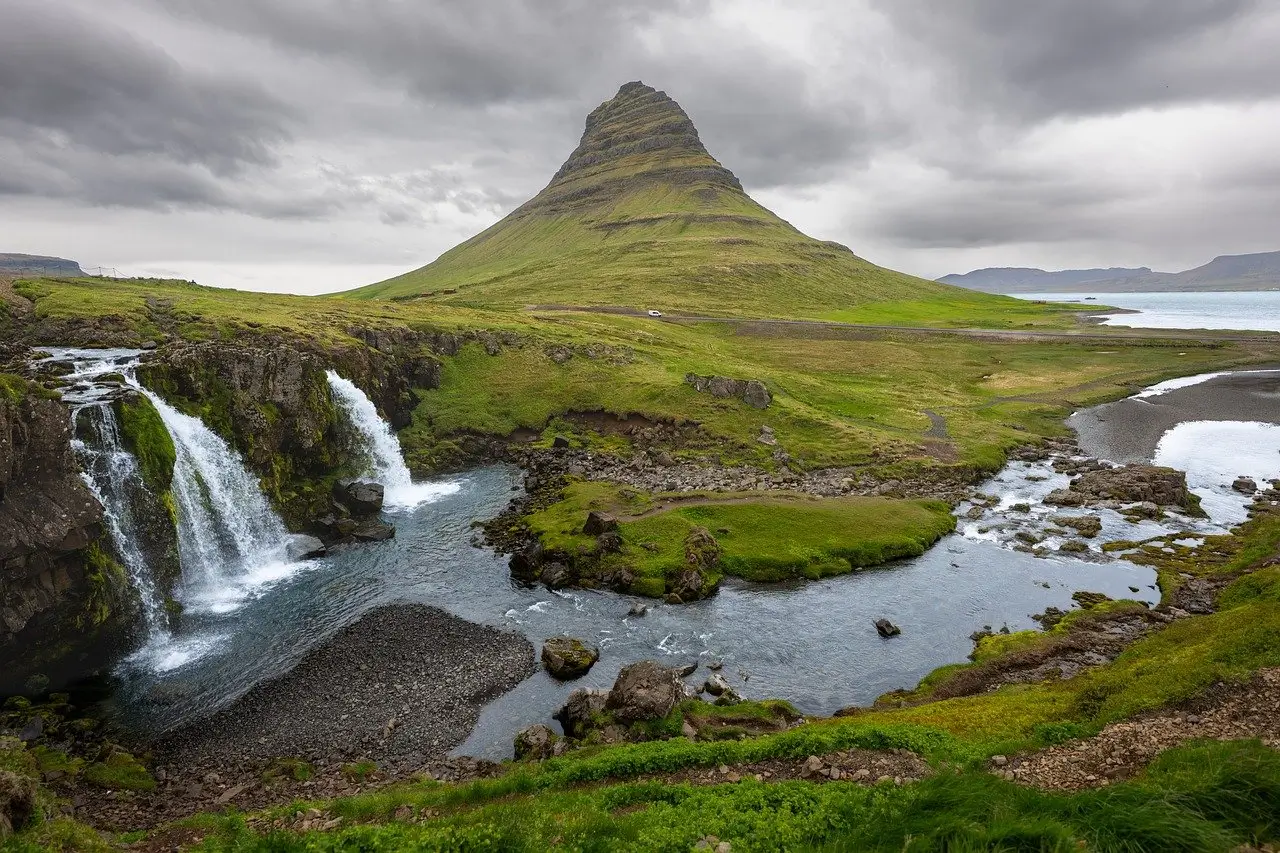
What is the temperature of Iceland by month? Understanding Iceland’s weather is key to planning the perfect trip. With its dramatic landscapes, hot springs, and glaciers, Iceland’s climate can change quickly — sometimes offering sunshine, rain, and snow all in a single day. Knowing the average temperatures month by month helps you pack smart, plan your activities, and make the most of your visit.
Iceland experiences four distinct seasons, each with its own charm. Winter (December to February) is the coldest period, with temperatures ranging from -3°C to 3°C (27°F to 37°F), bringing snow-covered scenery and the best conditions for seeing the Northern Lights. Spring (March to May) sees milder temperatures, melting snow, and longer daylight hours, ideal for exploring waterfalls and coastal areas.
During summer (June to August), temperatures rise to a comfortable 9°C to 15°C (48°F to 59°F), and visitors can enjoy the Midnight Sun, endless daylight, and easy access to highland roads. Autumn (September to November) brings cooler weather and colorful landscapes, with temperatures between 0°C and 10°C (32°F to 50°F).
Whether you’re chasing the Aurora Borealis or hiking beneath the midnight sun, understanding Iceland’s temperature by month ensures you’re ready for every adventure this stunning island has to offer.
Iceland’s climate surprises first-time visitors. While the name suggests brutal cold, the ocean keeps winters relatively mild and summers cool. What you feel on your face on a windy Reykjavík street is shaped as much by the North Atlantic as by Arctic air, which is why temperatures tend to hover near freezing in winter, then top out in the 50s Fahrenheit in summer.
If you are planning activities around comfort, daylight, and road conditions, knowing the monthly averages helps a lot. Those averages tell only part of the story, though, since wind, wet snow, and sea fog can shift the “feels like” temperature by several degrees.
Below is a clear reference for each month, followed by practical notes to turn numbers into real plans.
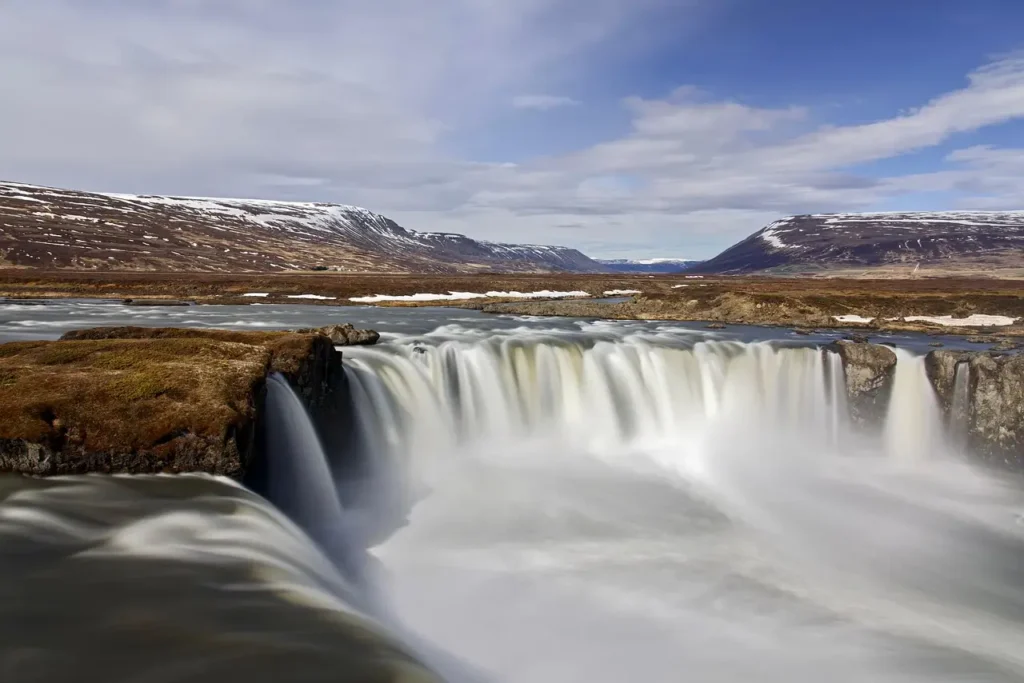
At-a-glance temperatures by month
Typical Reykjavík averages. Highs and lows are long-term norms, not daily guarantees. Coastal towns measure similar numbers, while the north, interior, and highlands trend cooler.
| Month | Average High (°C) | Average High (°F) | Average Low (°C) | Average Low (°F) |
|---|---|---|---|---|
| January | 2 | 36 | -2 | 28 |
| February | 3 | 37 | -2 | 28 |
| March | 3 | 37 | -2 | 28 |
| April | 6 | 43 | 0 | 32 |
| May | 9 | 48 | 3 | 37 |
| June | 12 | 54 | 7 | 45 |
| July | 14 | 57 | 9 | 48 |
| August | 14 | 57 | 8 | 46 |
| September | 11 | 52 | 6 | 43 |
| October | 7 | 45 | 2 | 36 |
| November | 4 | 39 | -1 | 30 |
| December | 2 | 36 | -2 | 28 |
Key takeaway: winters hover around freezing much of the time, and summers sit in the 50s Fahrenheit with a few mild days climbing into the 60s. The highlands run colder by a wide margin.
Experiencing Iceland’s dynamic weather is akin to following a living narrative, where the ocean sculpts the climate, offering travelers an ever-evolving tableau of natural beauty and climatic intrigue.
Iceland’s weather entices travelers with its unique blend of mild oceanic winters and invigoratingly cool summers, a perfect backdrop for adventure and discovery year-round.
What the averages feel like
Numbers alone miss three big variables.
- Wind: A brisk northerly can shave 5 to 10 degrees off the “feels like” temperature. A 3 Celsius day may feel subzero with gale force gusts.
- Moisture: Drizzle and wet snow pull heat from your body faster than dry cold. A waterproof outer layer makes a small number feel far more comfortable.
- Daylight: Warmth rises with the sun. In June and July, light lingers all night, so the day feels more forgiving even if the thermometer reads only 55 Fahrenheit. In December the short day magnifies the chill.
Think of Iceland’s climate as cool and variable, moderated by the ocean, with quick shifts driven by passing lows.
Month-by-month notes
January
- Average high near 2 Celsius and low near -2, with frequent swings above and below freezing.
- Expect mixed precipitation. Wet snow in Reykjavík is common, with a better chance of dry powder inland and at elevation.
- Daylight grows after the solstice, yet remains brief. Street lights, café windows, and geothermal pools add warmth that goes beyond degrees.
Tip: traction aids for boots help in cities where slush refreezes at night.
February
- Similar to January, with perhaps a touch more daylight and a few crisp, clear days.
- Northern and inland towns often settle a few degrees colder, especially overnight.
- Strong winds are possible during Atlantic storms, which can make a 3 Celsius high feel raw.
Tip: layer a windproof shell over a warm midlayer. This combo works from Reykjavik’s harbor to windswept viewpoints.
March
- Early spring in name, but winter conditions still show up. Highs around 3 Celsius, lows around -2.
- Snow cover is more stable in the north and the interior, making late season skiing and snowmobile tours appealing.
- Rapid weather shifts are baked into March, so flexible itineraries pay off.
Tip: bring light gloves and a warmer backup pair. Wet gloves ruin a day.
April
- Highs near 6 Celsius, lows around freezing. Snow flurries meet the first green hints of spring.
- Roads improve, though highland routes remain closed. Waterfalls roar with snowmelt, and the angle of sunlight brings dramatic photos.
- You may catch a mild afternoon in a sheltered spot that feels much warmer than the reading.
Tip: sunglasses and lip balm start to matter again as the sun climbs.
May
- Highs near 9 Celsius, lows around 3. The air turns brighter, and migratory birds arrive.
- The north warms more slowly than the south coast, but both see increasing stretches of dry weather.
- Nights shorten quickly, and the shoulder season brings fewer crowds with better odds of passable roads.
Tip: lightweight insulation plus a compact rain shell covers most situations.
June
- Highs around 12 Celsius, lows near 7. Long daylight opens the door to long hikes and late driving windows.
- The Midnight Sun takes hold in the north. Even without high temperatures, the vibe feels summery.
- Inland bugs appear in calm conditions. Bring a head net if you are sensitive.
Tip: pack a thin beanie and gloves. On a windy ridge you will want them.
July
- Warmest month on average, with highs near 14 Celsius. On a calm day in Reykjavik, 60 Fahrenheit in the sun feels perfect.
- The highlands become more accessible as F-roads open, but temperatures at elevation can drop sharply, especially overnight.
- Sea breezes keep coasts cool. Hot days are rare and short-lived.
Tip: quick-dry fabrics shine. Even if you get sprayed at a waterfall, you will not stay cold for long.
August
- Highs near 14 Celsius, lows around 8. A gentle start to fall, with strong colors in moss and heather by month’s end.
- Weather becomes more variable again. Calm and sunny mornings can shift to misty afternoons.
- Northern lights season starts to peek back in late August when darkness returns.
Tip: throw a warm hat in your daypack. Evenings can feel chilly near water.
September
- Highs near 11 Celsius, lows near 6. Fresh air and steady daylight make for great road trips.
- Storms gain strength as the ocean cools, which adds wind-driven chill to otherwise mild readings.
- Interior nights can hit freezing, while cities stay above it most nights.
Tip: consider a thicker midlayer, especially if you plan to linger outdoors after sunset.
October
- Highs near 7 Celsius, lows around 2. Golden hour stretches and early snow on peaks create a dramatic backdrop.
- Rain grows more frequent in the southwest. Pack a dry set of socks in a zip bag just in case.
- Shorter days invite slower schedules that match the season.
Tip: carry a compact headlamp for trailheads and roadside stops near dusk.
November
- Highs around 4 Celsius, lows near -1. Winter tires return, and icy patches are common on side roads.
- The first durable snow cover often appears away from the coast.
- Wind can make a near-freezing day feel several degrees colder.
Tip: insulated, waterproof footwear makes a big difference in how you experience the outdoors.
December
- Highs near 2 Celsius, lows around -2. The shortest days shape plans around light and the holiday glow in towns.
- Conditions vary widely within a week. You could see calm frost one day and horizontal sleet the next.
- Thermal pools shine this month. Warm water turns the cool air into a bonus.
Tip: bring a swimsuit and a packable towel. You will use them more than once.

Regional differences at a glance
Iceland’s averages are often quoted for Reykjavík, but local geography matters. Use these rough rules to adjust expectations.
- South and West coasts: slightly milder in winter, slightly cooler in summer, more days with drizzle and wind.
- North coast and Eyjafjörður: a degree or two colder in winter, often sunnier in summer with crisp evenings.
- Eastfjords: relatively dry at times, with protected harbors that can feel warmer in calm weather.
- Westfjords: dramatic terrain and changeable weather. Expect wind and sudden fog near sea cliffs.
- Highlands: far colder year round. Subtract 5 to 10 Celsius from coastal readings, with frequent frost even in summer nights.
Elevation, wind direction, and proximity to glaciers all tip the scales. A 14 Celsius coastal day can translate to 5 Celsius in the highlands with gusts, even in July.
How daylight and wind shape comfort
Two travelers can both read 8 Celsius on a thermostat and have very different days.
- Daylight: In June, the sun never fully sets in the north, and Reykjavík enjoys very long twilight. You can hike at 10 p.m. without a headlamp. In December, plan outdoor time around the few midday hours of light.
- Wind: Forecasts list steady wind and gusts. A steady 10 to 15 knots is normal. Gusts to 30 knots or more make waterfront strolls and cliff viewpoints feel far colder.
- Real-feel strategy: add or subtract 3 to 6 Celsius in your mind based on wind and moisture. Calm plus sun can make 10 Celsius feel fine in a T-shirt for a few minutes. Sleet with gusts can make 3 Celsius feel punishing without a shell.
What to pack by season
Packing well turns cool numbers into easy days.
Winter to early spring (November to April)
- Waterproof shell jacket with a hood
- Warm insulated midlayer, synthetic or wool
- Thermal base layers, top and bottom
- Insulated, waterproof boots with good grip
- Beanie, scarf or neck gaiter, warm gloves plus a backup pair
- Traction cleats or microspikes for icy sidewalks and trails
Late spring and summer (May to August)
- Light waterproof shell
- Fleece or light puffy midlayer
- Quick-dry shirts and pants
- Thin hat and gloves for windy viewpoints
- Comfortable waterproof hikers or sturdy sneakers
- Sleep mask for bright nights, especially in the north
Shoulder months (September and October)
- Mix and match: a solid shell, midweight insulation, and layers you can peel off
- Extra socks and a pack liner to keep gear dry
Year round
- Swimsuit for hot pots and pools
- Reusable water bottle
- Sunglasses and sunscreen, since UV reflects strongly off water, ice, and lava sand
- Car charger and paper map backup in case service drops
Planning ideas by comfort level
Match your temperature preferences to the calendar.
If you like cool but not cold
- Late May to early July: comfortable hiking weather, long days, and stable roads
- Early September: crisp air and calmer crowds
If you want the warmest odds
- July and August: most likely to see highs in the mid to upper 50s Fahrenheit, sometimes low 60s in sun
If you are chasing northern lights
- Late September to March: darkness returns in late August, but nights get reliably long by October
- Pick a 5 to 7 night window to boost your chance of at least one clear night
If you want snow without deep freeze
- February and March: winter scenery with temperatures often near freezing on the coast
If you want to see the highlands
- Late July and August: roads open, river crossings are lower risk, but bring warm layers for chilly nights
How temperatures relate to activities
Use the monthly range to pick reliable highlights.
- Waterfalls and coastal sightseeing: year round. Dress for spray and wind.
- Hiking lowland trails: May to September, with June to August offering the longest days.
- Highland trekking and 4×4 routes: late July and August only, subject to weather and road openings.
- Glacier walks: year round with a certified guide. Expect colder conditions on ice even in summer.
- Puffin viewing: late April to mid-August, with peak colony activity in June and July.
- Whale watching: year round, with very good summer success rates from Húsavík, Dalvík, and Reykjavík.
- Northern lights: darkness required, so late September to early April, with colder but vivid winter skies.
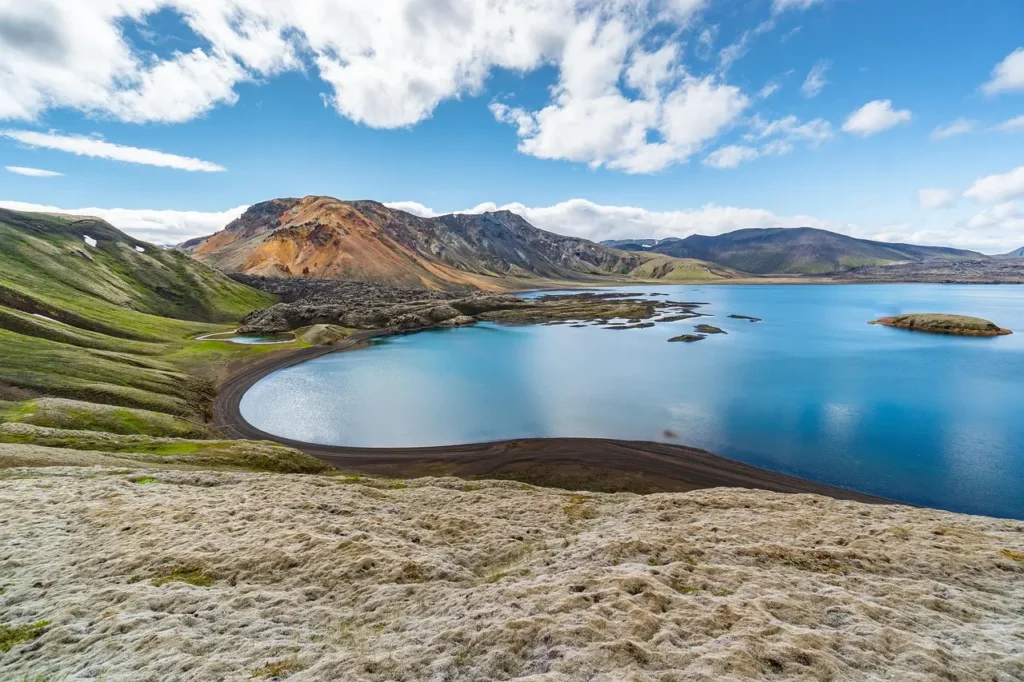
Reading and using forecasts
Averages help you choose a month, but daily success depends on last-minute details.
- Check the Icelandic Met Office and road.is before long drives.
- Look at wind gusts, not only steady wind.
- Watch the rain radar for timing windows. A two-hour break can align perfectly with a short hike.
- On multi-stop days, visit the most exposed viewpoint first to beat rising winds, then tuck into protected spots later.
A few practical temperature myths
- Iceland is always freezing: coastal winters feel like a chilly Seattle day, just more changeable. Inland and highlands are different.
- Summer is warm: it is mild and often perfect for activity, not beach weather. Pack a jacket even in July.
- A sunny forecast means no layers: wind can whip up fast. Better to have a hat and not need it than the other way around.
Quick cheat sheet
- Coldest stretch: January to March, around freezing, with wind and wet snow at the coast.
- Mildest stretch: July to early August, highs in the mid to upper 50s Fahrenheit.
- Biggest spread between day and night: inland and highland areas in summer.
- Most stable road conditions: June through September, while mountain roads have narrow windows.
Temperatures by month in Iceland are steady and moderate compared with many northern places, thanks to the sea. Plan with the averages, adjust for wind and daylight, and you will land on the right combination of dates, layers, and activities for a rewarding trip.
Frequently Asked Questions about Iceland’s Monthly Temperatures
As you embark on your journey to Iceland, understanding the temperature patterns throughout the year will enhance your travel experience. Here are some frequently asked questions that will guide you as you plan your adventure.
What is the temperature of Iceland by month?
Iceland experiences relatively mild temperatures year-round due to the North Atlantic influence. Winters are typically around freezing, and summers reach into the mid-50s Fahrenheit.
How does wind affect the temperatures in Iceland?
Wind can significantly affect the perceived temperature, making it feel 5 to 10 degrees colder. Always consider a windproof layer to stay comfortable.
When is the best time to visit for milder weather?
Late May to early July offers pleasant temperatures with long daylight hours, perfect for hiking and outdoor activities.
What should I pack for a winter trip to Iceland?
Pack a waterproof shell, warm insulated layers, thermal base layers, and traction aids for icy conditions.
Are there periods when roads are more stable for travel?
Road conditions are generally most stable from June through September, providing easier access to various attractions.
Can I see the Northern Lights year-round?
The Northern Lights are best viewed from late September to March when the nights are long and dark, providing optimal conditions.
When can I explore the highlands of Iceland?
The best time to visit the highlands is during late July and August when the roads are accessible, although temperatures can still be chilly.
How do daylight hours affect activities in Iceland?
In June and July, extended daylight allows for uninterrupted outdoor adventures, while December’s short days invite cozy indoor explorations.
Does Iceland experience extreme cold during winters?
While the name suggests otherwise, Iceland’s coastal winters feel comparable to a chilly day in the Pacific Northwest, rather than extreme cold.
You might also like:
when is the best time to travel to iceland?
What is the best month to visit Iceland?
How many days in Iceland is enough?
What is the Cheapest Month to Visit Iceland?
With its ocean-moderated climate, Iceland presents an intriguing contrast between its name and reality, offering a mild yet vibrant experience for year-round travel enthusiasts. As seasons transition, so do the subtle temperature shifts that support a diverse array of activities.
For those planning to visit, understanding the importance of layering and adaptability with your wardrobe is crucial. Wind, being a significant factor, can make temperatures feel much cooler.
The highland regions and northern parts can be distinctly cooler, so visitors should prepare accordingly, especially if adventures lead you into these captivating landscapes. The weather isn’t just a backdrop but an integral part of the Icelandic experience.
By aligning your itinerary with Iceland’s unique climatic rhythms, you enable yourself to fully immerse in its natural beauty, from cascading waterfalls to breathtaking auroras. Indeed, Iceland beckons explorers to embrace both its gentle summers and its invigoratingly crisp winters with enthusiasm and preparedness.
