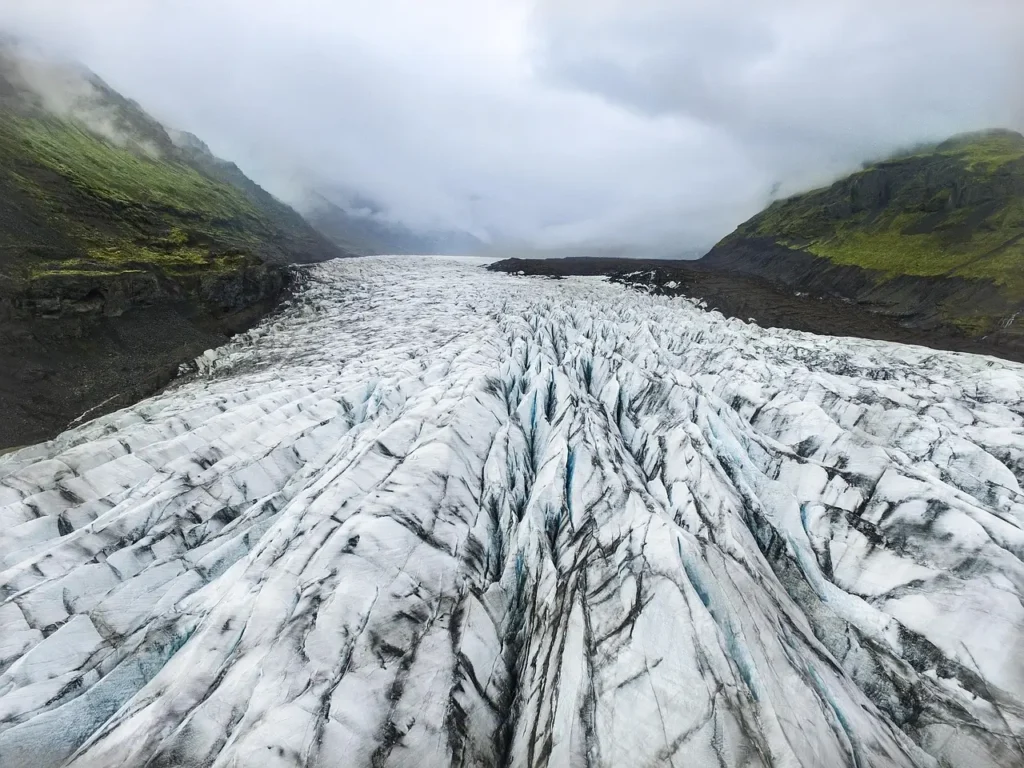
When is the best time to travel to Iceland? The answer depends on what kind of adventure you’re seeking. Summer brings endless daylight, lush landscapes, and easy road trips, while winter offers magical Northern Lights, ice caves, and snowy scenery. Each season reveals a different side of Iceland’s natural beauty. In this guide, we’ll help you choose the perfect time to visit based on weather, activities, and travel tips.
If you ask ten travelers when to go to Iceland, you will probably hear ten different answers. That is part of the magic. The right time depends on what you want to see, how you like to travel, and how much daylight you want each day.
Iceland rewards every season. Summer opens the Highlands and brings puffins to sea cliffs. Winter fills the sky with aurora and carves sapphire ice caves inside glaciers. Spring and fall serve up long golden hours for photographers, fewer crowds, and better prices.
There is no single perfect month. There is a perfect month for you.
Northern lights: September to March, with reliable darkness and long nights. Clear-sky windows are most common in late September to early November and February to March.
Midnight sun and maximum daylight: late May to late July. Near the solstice you can hike at midnight without a headlamp.
Highlands and F-roads: late June to early September, depending on snowmelt and rain. Many mountain tracks open in early July.
Ice caves: November to March for natural blue caves on Vatnajökull. Katla area offers tours most of the year, though color and structure differ.
Puffins: late April to early September, peak activity in June and July on cliffs in the Westman Islands, Látrabjarg, and Dyrhólaey.
Best odds for fair weather on the Ring Road: June to August, with shoulder-season value in May and September.
Budget-friendly with some daylight: late September, October, and March. November and January can be even cheaper but quite dark.
Seasons at a glance
Iceland has four distinct travel seasons, each with clear trade-offs. Here is a quick comparison.
Season
Typical Months
Daylight (Reykjavík)
Average Temps
Aurora Chance
Road Access
Crowds
Price Level
Winter
Nov to Mar
4 to 8 hours in Dec-Jan, growing after
-3 to 3 C on the coast
High with dark nights
Many rural roads icy, Highlands closed
Low to moderate near holidays
Low to moderate
Spring
Apr to May
13 to 20 hours by late May
0 to 10 C
Fading as nights shorten
Ring Road mostly fine, Highlands closed
Low to moderate
Moderate
Summer
Jun to Aug
18 to nearly 24 hours
8 to 15 C, occasional 20+ C
Very low due to bright nights
Ring Road clear, Highlands open mid to late summer
High in July and early Aug
High
Fall
Sep to Oct
10 to 14 hours in Sep, 8 in Oct
0 to 8 C
Strong with returning darkness
Changeable, first frosts and storms
Moderate
Moderate to low
Expect wind anytime. Iceland’s weather changes fast, so flexibility helps.
A month-by-month guide
January: Deep winter with the longest nights and strong aurora potential. Snowy landscapes, icy waterfalls, and few visitors. Storms are frequent, so keep buffer time.
February: More daylight than January and still solid aurora chances. Ice caves in good shape, and prices often stay friendly.
March: A sweet spot for many. Longer days, winter activities in full swing, and a fair chance at clear nights.
April: Shoulder season begins. Migratory birds return, roads improve, and some whale watching ramps up. Nights are shorter, so aurora opportunities taper.
May: Spring flowers, lambing season in rural areas, and longer days. Puffins arrive late in the month. Costs are lower than summer, yet conditions are usually kind.
June: Peak daylight with midnight sun around the 21st. Trails open in lower elevations, and festivals bring energy to Reykjavík. Aurora is unlikely due to brightness.
July: Warmest month on average, with open Highlands and accessible F-roads. Crowds peak, so book cars and rooms well ahead.
August: Early month still feels like midsummer. By late August nights return, puffins begin to depart, and prices ease slightly.
September: Bold autumn colors in the interior, comfortable temps for hiking, and aurora returns. A top choice for photographers.
October: Shorter days create generous golden hours, snow may dust the high ground, and costs drop. Weather can swing quickly.
November: Very quiet except around airwaves-era music events. Long nights for aurora, early ice cave season, fewer open facilities in remote areas.
December: Shortest days, festive lights in towns, and a real chance at a snowy holiday photo. Travel can be rewarding if you dress well and stay flexible.
Embark on an Icelandic odyssey where each season unfolds a unique tableau, inviting you to chase the aurora, explore mystical ice caves, or revel under the midnight sun.
Discover Iceland’s myriad wonders where each season is a gateway to a new adventure, blending natural splendor with cultural vibrance.
Midnight sun or northern lights
These two don’t often share the same sky. That means you pick the drama overhead that excites you most.
Midnight sun: If you value extra time on the trail, late night photography at Skógafoss without crowds, or a road trip where darkness never rushes you, go late May to late July. Sleep masks help.
Northern lights: If the aurora matters, choose September through March and build in two or three nights in dark-sky areas. Combine this with activities that shine in winter, like glacier walks and ice caves.
Hybrid options exist. Late August and early April sometimes deliver a weak aurora window with some warmth or longer days. Results vary, yet the mix can work for travelers seeking variety.
Who should go when
Different travelers thrive in different months. A few tailored picks:
Photographers
Golden hour lovers: September and October for fiery sunsets and aurora after twilight, or April for pastel tones over snow patches.
Soft light and winter contrasts: February and March for blue ice, black sand, and green skies.
Long session planners: June for endless civil twilight, coastal birds, and late-night access to popular spots.
Hikers
Classic treks: Late June to early September for Laugavegur, Fimmvörðuháls, and Highlands routes once huts and bus services operate.
Shoulder gems: May and September for coastal paths and lower elevation loops with fewer people.
Families
July and early August for predictable conditions and open attractions. Choose a pacing that mixes waterfalls with geothermal pools and easy wildlife viewing.
Spring break style trips in March or April can work with an aurora night, a glacier lagoon boat, and a dip at Sky Lagoon or the Blue Lagoon.
Budget-minded travelers
Late September, October, November, and March for better rates on cars and lodging while keeping enough daylight for sightseeing.
Watch for airline sales, then plan around them.
Wildlife fans
Puffins: June and July at Látrabjarg, Borgarfjörður Eystri, and the Westman Islands.
Whales: April to October across the north and west, with Húsavík known for variety. Winter orcas appear some years near Snæfellsnes.
Adventurers with 4×4 experience
July and August for F-roads to Landmannalaugar, Askja, and Kerlingarfjöll. Always check river levels and road status before you go.
What the weather and daylight really mean
Iceland’s latitude delivers large swings in daylight. Around the June solstice, even at midnight you get a bright glow on the horizon. Around the December solstice, Reykjavík sees only about 4 to 5 hours of sun. That affects everything from your schedule to your photography style.
Temperatures are milder than many expect in winter thanks to ocean influence, yet wind chill can be biting. In summer, a sunny 15 C day feels wonderful, especially out of the wind. Layers solve most problems.
Key habits that help:
Pack a breathable waterproof shell, a warm mid-layer, hat, thin gloves, and waterproof shoes year-round.
Bring microspikes in winter if you plan to walk around icy waterfalls.
Sunscreen and sunglasses are smart any month. Spring snow and summer seas both reflect light.
In summer, a sleep mask is as useful as a passport.
Road conditions and driving timing
Winter and early spring: Expect icy patches, black ice, and occasional closures. If driving, pick a 4×4 with winter tires, monitor weather on vedur.is, and check roads on road.is. SafeTravel.is offers route advice and alerts.
Late spring and fall: Roads usually clear, but storms sweep through. Build buffer time for itineraries.
Summer: The Ring Road is straightforward, and mountain roads open gradually. F-roads require 4×4, confidence, and patience. Rental car insurance often excludes river crossings; know your limits.
A 7 to 10 day Ring Road circuit is common in summer. In winter, shorter base-and-spoke plans from Reykjavík or Akureyri reduce stress while keeping options open.
Festivals and cultural moments
Travel is more than landscapes. Time your trip for energy in the streets.
Reykjavík Arts Festival usually lands in May or early June in select years.
Summer brings city marathons, outdoor concerts, and Reykjavík Pride in August.
Menningarnótt, or Culture Night, enlivens Reykjavík in late August with art and fireworks.
The Winter Lights Festival in February brightens the dark season with installations and events.
Iceland Airwaves turns early November into a multi-venue music celebration with international buzz.
Dates can shift, so check the current year’s calendar.
Activities by season
Winter highlights: Northern lights tours, ice caving on Vatnajökull, snowmobiling on Langjökull, glacier hiking with guides, steaming outdoor pools under the stars.
Spring highlights: Birdlife in full motion, waterfalls roaring with snowmelt, fewer people at must-see sites, and whale watching on the rise.
Summer highlights: Highland trekking, multi-day road trips, puffin colonies, sea kayaking, and long picnic evenings in geothermal valleys.
Fall highlights: Aurora, color in mossy lava fields, calmer trails than summer, and comfortable temperatures for hiking.
Choosing by trip length
Long weekend, winter: Base in Reykjavík with two day trips. One along the South Coast to waterfalls and black sands, one dedicated to aurora and an ice cave, plus time in a thermal lagoon.
One week, shoulder season: Ring Road half-loop. Reykjavík to Vík to Höfn to the Eastfjords, then back via the Highlands bus or a domestic flight if schedules permit.
Ten days, summer: Full Ring Road with a detour to the Snæfellsnes Peninsula or six days on the road plus four days exploring the Highlands from Hvolsvöllur or Hella.
The cost and crowd curve
Peak prices arrive in late June, July, and early August. Rental cars sell out early, and last-minute rooms can be scarce in popular towns.
May, early June, late August, and September hit a welcoming balance. You still get lively weather and enough daylight without peak rates.
October to April cuts costs, with holiday weeks as exceptions. Smaller towns may operate reduced hours, yet the trade-off favors aurora chasers.
Booking early helps year-round. Six months out for summer is common for the best range of cars and lodging.
Wildlife and nature timing in more detail
Puffins: Adults arrive to cliff burrows in late April or May and depart by early September. Midday hours are fine, but evening light is lovely in calm weather.
Whales: Húsavík, Akureyri, and Reykjavík offer tours much of the year, with many species present in summer. Sighting rates are strong in June to August. Some operators in the west focus on winter orca opportunities when food sources draw them close.
Wildflowers and moss color: June and July make hillsides pop. In fall, wet moss turns intensely green against dark lava.
Respect nesting zones and stay behind ropes at cliffs. That keeps you safe and protects the birds.
Packing and prep by month
Winter (Nov to Mar)
Insulated waterproof boots
Thermal base layers and a down or synthetic puffy
Hand warmers, microspikes for popular icy paths
Tripod and wide-aperture lens for aurora
Shoulder seasons (Apr to May, Sep to Oct)
Waterproof shells, fleece midlayer
Light hat and gloves
Quick-dry pants for variable temps
Headlamp for fall and early spring nights
Summer (Jun to Aug)
Light rain shell, breathable hiking layers
Eye mask for bright nights
Insect net for Lake Mývatn area midges
Compact layers for sudden wind and rain
Insurance that covers wind and volcanic ash disruptions can be smart. Weather events sometimes affect flights and ferries.
Sample daily rhythms that work
Winter: Sleep in a little, start with museums or indoor pools, then head out for a 4 to 5 hour outdoor window centered on noon. An early dinner, then aurora watch from 9 p.m. to 1 a.m. when forecasts look promising.
Summer: Early start to beat crowds at big waterfalls, long lunch in a small town bakery, afternoon hike in the Highlands, golden light that lasts for hours, and a late return under a bright sky.
Aurora basics without the fuss
You need darkness, clear skies, and solar activity. Cloud-free often matters more than high KP numbers.
Move away from city lights. Even 20 minutes outside Reykjavík improves your view.
Apps and websites help, but do not chase numbers all night if clouds are thick. Pick a promising window and a scenic dark-sky location, then enjoy the show if it comes.
When a table decides for you
If you see yourself in one of these columns, you have your answer.
Traveler Type
Pick These Months
Why It Works
First-time, wants classic highlights
June, July, early August
Maximum daylight, easy driving, open Highlands
Photographer chasing color and drama
September, October, March
Long golden hours, aurora return, fewer people
Budget-minded, still wants decent daylight
Late Sep, Oct, March
Lower prices, varied activities, manageable days
Winter fan, wants ice caves and aurora
Dec to March
Peak ice cave season, long nights
Wildlife watcher
June to August
Puffins, whales, vibrant bird cliffs
Experienced driver seeking F-roads
July to mid September
Most mountain tracks open, better river levels
A few planning tips that save stress
Lock in car rentals and rooms early for summer. Add free cancellation where possible.
Keep one flexible day in your schedule for weather shifts. That buffer often saves a highlight.
Book guided glacier and ice cave tours with reputable operators. Gear and safety briefings matter on ice.
Many pools and hot springs require showers without swimwear before entry. Pack a small bag for visits.
Card payments are accepted almost everywhere. Cash is rarely essential.
So, when is best for you
If you crave long hikes and open horizons, pick late June to August. If your dream is dancing green bands over Kirkjufell, set your sights on September to March. For a middle path that cuts costs and keeps options open, circle April, May, and September.
Iceland keeps rewarding return trips. One season will hook you, and the next will surprise you again.
Frequently Asked Questions About Traveling to Iceland
Embarking on your Icelandic journey requires essential planning to ensure you make the most of this wondrous destination. Below are some of the most commonly asked questions to guide your travel decisions.
The best time to travel depends on your goals. For the northern lights, visit between September and March. Experience the midnight sun from late May to late July, while the Highlands are best accessed from late June to early September.
What is the ideal season for photographers?
Photographers seeking stunning landscapes and light should consider September, October, or March for dramatic colors and potential auroras.
Which months offer budget-friendly travel?
Late September, October, and March are ideal for budget-conscious travelers, offering lower prices with enough daylight for exploration.
Are ice caves accessible year-round?
Natural blue ice caves are best visited from November to March, though some areas like Katla offer tours throughout the year.
How does the weather in Iceland affect travel plans?
Iceland features changeable weather year-round. Winter sees icy roads and storm potential, while summer offers clear roads and open Highlands. Always plan for flexibility.
Are car rentals necessary for exploring Iceland?
Renting a car is ideal for exploring at your own pace, especially for accessing the Ring Road and the Highlands during summer. Book early and consider a 4×4 in winter.
How can visitors experience Icelandic wildlife?
For puffins and whale watching, visit between June and August. Winter may offer orca sightings near Snæfellsnes.
What essential items should I pack for Iceland?
Pack layered clothing, a breathable waterproof shell, and thermal gear for Iceland’s weather variations. During summer, include a sleep mask, while winter travelers should bring microspikes for icy paths.
Discover the **best travel destinations**, practical **insurance** advice, step-by-step **guides**, and smart **tips** to make every journey unforgettable. From unique **travel ideas** to in-depth country explorations, TravelPulsey helps you plan, save, and experience the world with confidence. Whether you’re a first-time explorer or a seasoned traveler, our blog is your trusted source for everything travel.