


Planning a trip in the U.S. often raises questions about safety. Many ask which method of travel is safest for their next adventure. This is a common concern for travelers.
Feeling anxious before traveling is normal. But, using hard statistical data can help you choose safer options. This way, you can focus on enjoying your trip.
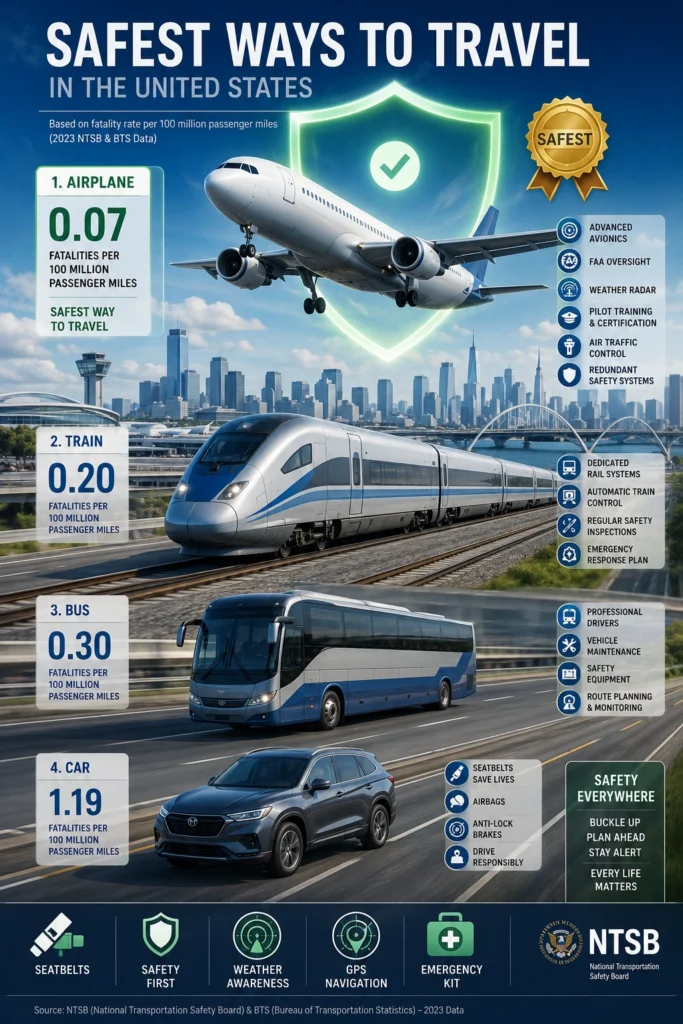
Our guide compares different travel options based on safety and reliability. By looking at the numbers, you can feel more secure. We aim to give you the clarity you need to travel with confidence.
Key Takeaways
- Transportation safety relies on verified statistical data.
- Domestic transit options vary significantly in risk profiles.
- Moving past common anxieties leads to better trip planning.
- Informed decisions create a more secure experience for passengers.
- Our analysis helps you compare transit modes effectively.
Understanding Statistical Safety in Transportation
Transportation safety statistics help us make better travel choices. Many worry about flying but don’t think about the dangers of driving every day. By looking at the numbers, we can find the safest travel modes and clear up common myths.
Defining Risk per Mile Traveled
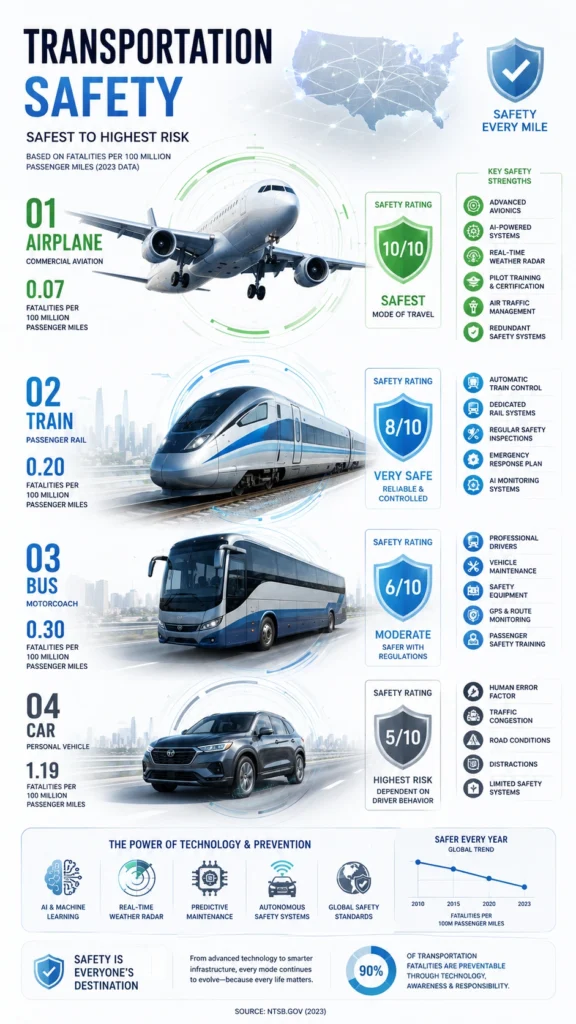
Experts use a special metric called risk per mile traveled to compare travel modes. This metric helps compare different ways of getting around, like flying and driving. It shows the chance of an accident happening over a certain distance, not just the number of accidents.
This method often surprises people. A big accident might get a lot of attention, but the real numbers show some travel ways are much safer. This method is key for all safety studies today.
The Importance of Data-Driven Decision Making
Using transportation safety statistics helps us make choices based on facts, not feelings. When we look at real data, we see the true risks. This lets us pick the safest travel modes for our needs, whether it’s a long trip or a short drive.
The table below shows how different ways to travel compare when we look at safety numbers. It shows how important good infrastructure and rules are for safety.
| Mode of Transport | Relative Risk Level | Primary Safety Factor |
|---|---|---|
| Commercial Aviation | Very Low | Rigorous Regulation |
| Passenger Rail | Low | Dedicated Infrastructure |
| Personal Vehicle | Moderate | Human Error |
| Intercity Bus | Low | Professional Training |
Which Method of Travel is Safest for Long-Distance Trips
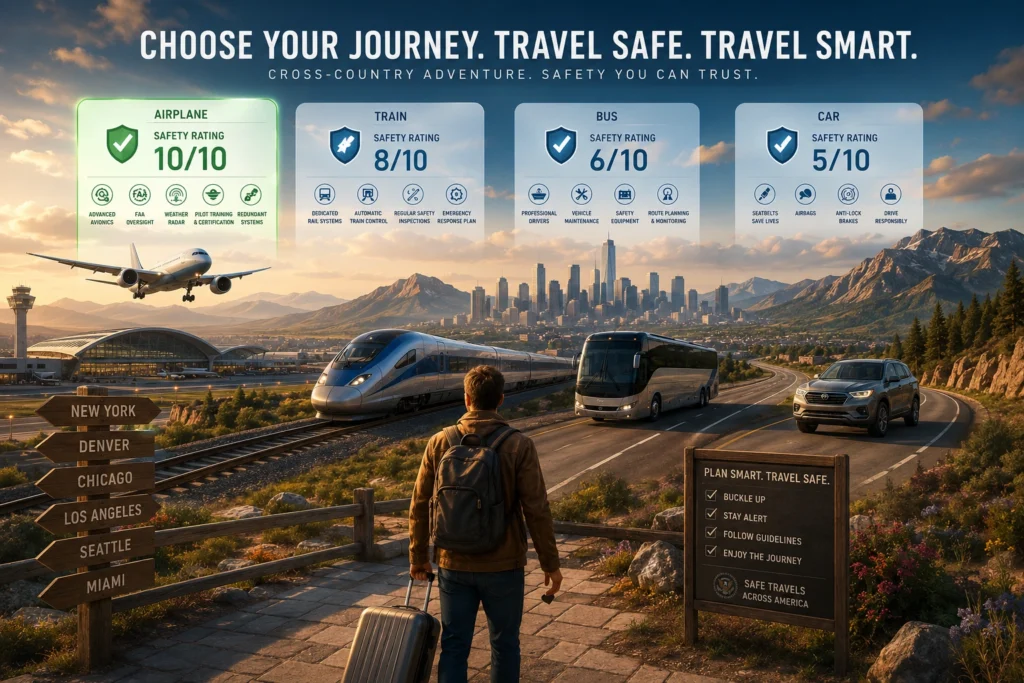
Choosing how to travel long distances is key to your safety. Long trips mean higher speeds and longer times, unlike your daily drive. Knowing the safest travel modes helps you plan better for your next big trip.
Comparing Domestic Flight Safety to Ground Transport
Commercial flights are very safe for traveling across the U.S. They follow strict rules for maintenance and training. Driving yourself gives you freedom, but it’s riskier per mile than flying.
Buses are also safe, with professional drivers who work within limits. Air travel is often the safest travel mode for long distances. Your choice depends on your route and what you prefer.
The Psychological Comfort of Different Travel Modes
Feeling safe is as important as the actual safety of your trip. Some like the controlled space of a plane, while others prefer driving. Your comfort level affects how you see the safest travel modes on long trips.
Think about both the facts and your feelings before you book. The table below shows key points about safety and comfort in different travel options.
| Travel Mode | Statistical Safety | Control Level | Comfort Factor |
|---|---|---|---|
| Commercial Flight | Very High | Low | High |
| Personal Vehicle | Moderate | High | Variable |
| Intercity Bus | High | Low | Moderate |
The safest travel modes are those that keep you alert and calm. Mix the facts with your needs for a safe and enjoyable trip.
Evaluating the Safety Records of Commercial Airlines
Commercial aviation is a top example of how strict standards make travel safe. Looking at transportation safety statistics, flying is very safe. These airline safety records come from years of hard work.
Regulatory Oversight by the Federal Aviation Administration
The Federal Aviation Administration (FAA) is key in keeping these high standards. It checks airlines closely through aviation regulatory oversight. This helps spot risks before they affect passengers.
The FAA makes sure airlines follow strict rules. This creates a unified safety culture in the industry. Thanks to this, air travel is very reliable today.
Advancements in Avionics and Pilot Training
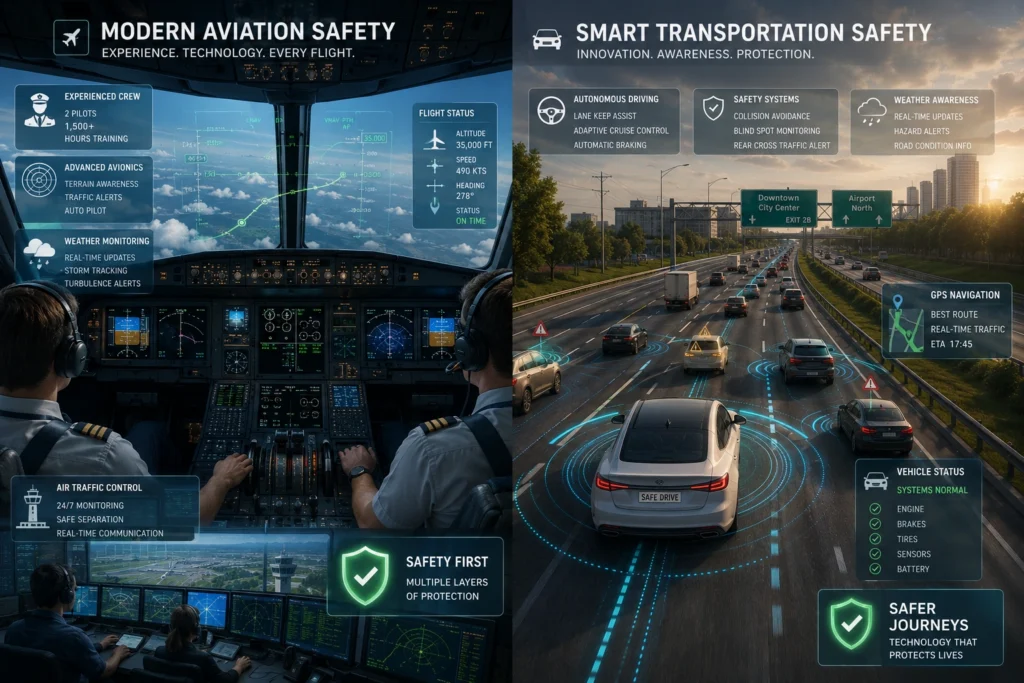
New technology has made cockpits very advanced. Modern avionics give pilots important data in real-time. This helps them make better decisions during flight.
Also, pilot training standards are now very strict. Pilots practice for emergencies often. This keeps the skies safe for everyone.
The Impact of Modern Aircraft Maintenance
Behind every flight is a team of skilled technicians. Modern maintenance checks every part of the plane. This keeps planes in top shape for a long time.
Advanced diagnostic tools help find problems early. This meticulous attention to detail means every flight is safe. Passengers can trust that their plane is ready for the journey.
Analyzing the Risks and Benefits of Passenger Trains
Passenger rail systems offer many benefits that focus on passenger safety and comfort. They provide a consistent and predictable travel experience. This is why many people prefer trains for their daily commutes.
Safety Features of Amtrak and Regional Rail
Modern rail networks use advanced technology for safety. Amtrak and other providers use Positive Train Control (PTC) to control speed and prevent accidents. These systems are a key safety feature for all passengers.
Trains are also built to be strong. They can handle big impacts, keeping passengers safe. Regular checks and maintenance keep everything running smoothly.
Comparing Rail Infrastructure to Highway Systems
Rail travel has a big advantage: its own dedicated path. Unlike highways, where cars and trucks mix with unpredictable drivers, trains have their own tracks. This makes them much safer.
The table below shows how rail and highways differ:
| Feature | Passenger Rail | Highway System |
|---|---|---|
| Traffic Control | Centralized Dispatch | Individual Driver |
| Right of Way | Dedicated Tracks | Shared Roadways |
| Collision Risk | Extremely Low | Higher Variability |
Rail travel offers a controlled environment. This makes it a great choice for those who want to avoid the stress of driving. It’s a smart pick for those who value efficiency and safety.
Assessing Safety Standards for Intercity Bus Travel
Choosing the right bus carrier means knowing the safety steps they take. Many pick buses for their cost, but bus travel safety is key for everyone. Looking at how companies manage their buses helps you choose wisely for your next trip.

Safety Protocols for Major Carriers like Greyhound
Big names like Greyhound use new tech to keep passengers safe. They have advanced vehicle monitoring systems that watch speed, braking, and engine health live. This lets maintenance teams fix problems before they’re a danger on the road.
Carriers also have strict rules for keeping passengers safe. They use cameras on the bus and have clear rules for luggage. These bus travel safety steps make sure the bus is safe from start to finish.
Driver Fatigue Management and Regulatory Compliance
The driver’s role is just as important as the bus itself. Rules limit how long drivers can drive without resting. These Hours of Service (HOS) rules help stop drivers from getting too tired.
Following these rules is not optional; it’s the law. Companies must keep logs and pass audits to show they follow these rules. Choosing a good carrier means you’re getting a service that values rigorous training and constant checks.
| Safety Feature | Implementation Level | Primary Benefit |
|---|---|---|
| Electronic Logging | High | Prevents driver fatigue |
| Onboard Cameras | Moderate | Enhances passenger security |
| Preventative Maintenance | High | Reduces mechanical failure |
| Driver Training | High | Improves accident prevention |
Putting bus travel safety first means looking for companies that do more than the minimum. Knowing these steps helps you travel safely across the country.
Navigating the Realities of Personal Vehicle Safety
Personal vehicles give us freedom, but they also come with safety challenges. Most Americans use their cars for daily trips. Yet, the dangers of driving are often ignored. It’s key for drivers to know these risks to stay safe.
The Statistical Reality of Driving Your Own Car
Car accident statistics show driving is riskier than using trains or buses. Many accidents happen because of driver mistakes. This shows how important defensive driving is.
Distracted driving risks are a big part of these numbers. Using phones or car systems can cause serious problems. Always being aware of your surroundings is the best way to avoid dangers.
Modern Vehicle Safety Features and Their Effectiveness
Car makers have improved safety a lot. Today’s cars are designed to protect you better. Even in small crashes, the car’s structure helps keep you safe.
Features like electronic stability control and better brakes also help. These systems help you stay in control when you need to. Choosing a car with good safety ratings is a smart choice for your safety.
The Role of Advanced Driver Assistance Systems
Advanced Driver Assistance Systems, or ADAS, are key in preventing crashes. They include things like automatic emergency braking and lane-keeping assist. These systems help prevent accidents before they start.
But, these tools are not a replacement for your own judgment. Staying engaged while driving is the best way to use these features. When technology and caution work together, the roads are safer for all.
Comparing Urban Transit Systems and Safety Protocols
Urban transit systems are the lifeblood of American cities. They include subways in New York and light rail in Los Angeles. These systems are vital for millions of people. Keeping them safe is a major focus for city planners and operators.
Safety in Subway and Light Rail Networks
Today’s rail systems use advanced tech to protect passengers. They have comprehensive surveillance systems and monitoring centers. This setup helps staff respond fast to any issues, making travel safer.
The design of these systems also helps prevent accidents. Platforms have tactile strips, bright lights, and emergency kiosks. These features guide and help commuters, making their journeys better.
Best Practices for Staying Secure on Public Transit
To stay safe, be aware of your surroundings. Avoid distractions like loud music or staring at your phone. This helps you stay alert and secure.
Knowing your exit routes and keeping your belongings close is key. If you feel uneasy, move to a bus with more people or near the driver. These habits make your transit experience safer and more enjoyable.
| Feature | Subway Systems | Light Rail | Bus Networks |
|---|---|---|---|
| Surveillance | High Coverage | Moderate | On-board Only |
| Emergency Access | Direct Intercom | Platform Kiosks | Driver Alert |
| Safety Focus | High train travel safety | High transit hub safety | Public transit security |
The Role of Infrastructure in Transportation Security
The physical environment is a silent guardian of our daily travels. We often focus on the vehicles we drive or ride. But, the foundation beneath us is just as vital. A well-planned network is key for infrastructure and safety across the United States.
How Road Design Influences Accident Prevention
Modern road design safety aims to reduce human error through smart engineering. Features like wider shoulders, clear signs, and good lighting lower collision risks. These elements help drivers stay in control, even in tough conditions.
Good road layouts also improve traffic flow by avoiding bottlenecks and confusing spots. Predictable roads let drivers make quicker, more accurate choices. This focus on road design safety is a key part of modern transportation planning.
The Impact of Bridge and Tunnel Maintenance
Bridges and tunnels are critical in our transit networks. Regular checks and quick fixes keep them strong against weather and heavy use. Without regular care, these structures could fail, posing big security risks.
Investing in these assets’ long life is vital for infrastructure and safety. Maintenance teams work hard to spot weak spots and strengthen materials. Their work keeps our transit paths safe for millions daily.
| Infrastructure Type | Primary Safety Benefit | Maintenance Priority |
|---|---|---|
| Highway Systems | Reduced Collision Risk | High |
| Bridge Networks | Structural Stability | Critical |
| Tunnel Passages | Ventilation and Lighting | High |
| Urban Transit Rails | Efficient Traffic Flow | Moderate |
How Weather Conditions Impact Travel Safety
Unpredictable weather is a big challenge for travelers in the United States. Knowing the weather impact on travel helps keep your journey safe and stress-free. Whether driving or flying, weather can change quickly.
Adapting Travel Plans for Severe Weather Events
Good travel planning safety means being flexible with your plans. If severe weather is forecasted, it’s better to wait than to risk traveling. Always check local forecasts and government alerts before you leave.
Here are key steps to stay safe in extreme weather:
- Monitor the National Weather Service for updates in your destination.
- Keep an emergency kit in your car with blankets, water, and a flashlight.
- Plan a flexible schedule for unexpected delays or route changes.
- Tell family your travel plans so they know when to expect you.
Technological Aids for Navigating Adverse Conditions
Modern tech offers great tools for safe travel in bad weather. Drivers and travelers can use systems that show real-time road conditions and visibility. These tools are key for infrastructure and safety during storms or fog.
Many now use advanced navigation apps for real-time traffic alerts and road closures. Modern cars also have safety features like electronic stability control and advanced brakes. These help drivers stay safe on slippery roads. Using these digital tools helps you make safer choices on your trip.
Human Factors and Their Influence on Accident Rates
Every driver or pilot makes choices that affect their journey. Even with advanced safety tech, the person in charge is key. Individual behavior often decides if a trip is safe or ends in an accident.
The Dangers of Distracted Driving and Travel Fatigue
Looking at car accident statistics, we see human error is the main cause. Many accidents happen because of distracted driving risks, like using phones or losing focus. Fatigue also causes slow reactions, similar to being drunk.
Even pros face these issues. Truckers and bus drivers deal with long hours and tough schedules. The weather impact on travel makes things worse, adding pressure to make quick decisions while tired.
- Maintain focus: Avoid all electronic devices while operating a vehicle.
- Recognize signs of fatigue: Pull over if you feel your eyelids getting heavy.
- Plan for conditions: Adjust your speed based on current visibility and road surface.
Training and Preparedness for Transportation Operators
To lower risks, industries focus on pilot training standards and certification. These programs prepare operators for regular trips and emergencies. Continuous education keeps safety high across all transit areas.
Being ready isn’t just about skills; it’s also about being mentally sharp and aware. A safety-focused culture helps staff stay alert and make smart choices. Investing in people is the best way to protect everyone and cut down on accidents.
Essential Safety Tips for Every Type of Traveler
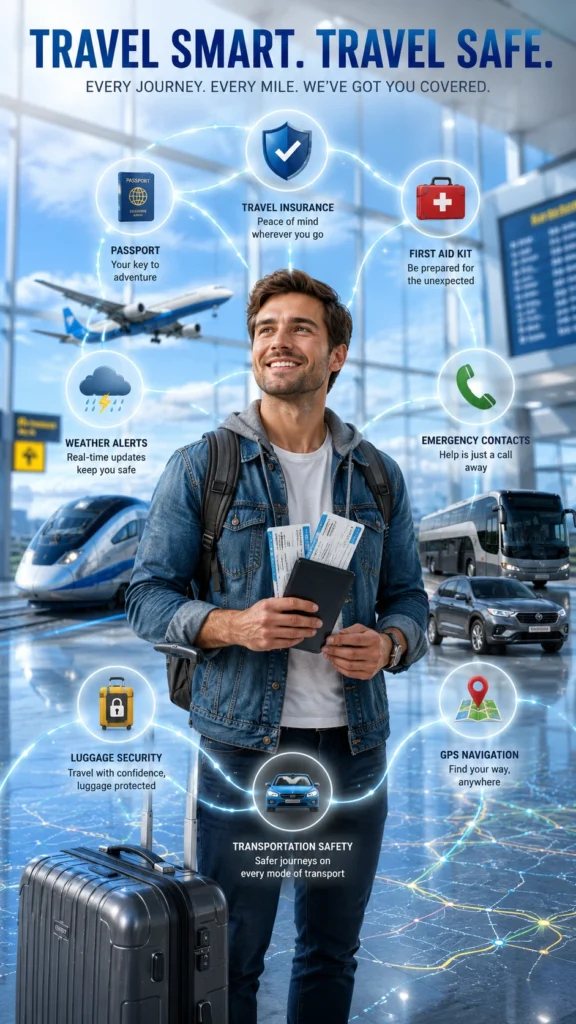
Whether you’re flying or taking the bus, your safety starts at home. A few simple travel safety tips can make your trip safer. Stay organized and alert to enjoy your journey without worry.
Pre-Trip Planning and Safety Checklists
Good travel planning safety means knowing your route and surroundings. Research your destination and find the safest ways to get there. Having a backup plan for delays is key for seasoned travelers.
Make a checklist to ensure you have everything. Include these in your safety kit:
- A portable power bank to keep your phone charged.
- Copies of important documents, like your ID and travel insurance.
- A small first-aid kit with basic items.
- A list of emergency contacts in your wallet.
Situational Awareness in Transit Hubs
Being aware in crowded places is essential. In busy airports or train stations, transit hub safety is about observing your surroundings. Keep your belongings close and avoid distractions like too much phone use.
Public transit security is everyone’s responsibility. If you see something suspicious, report it. When using bus travel safety, always watch your luggage and know your exit points.
| Safety Habit | Benefit | Ease of Use |
|---|---|---|
| Stay Alert | Prevents theft | High |
| Keep ID Secure | Prevents identity loss | High |
| Plan Routes | Reduces confusion | Medium |
Consistency is key for personal security. Make these habits part of your routine. Stay vigilant, stay prepared, and enjoy the peace of mind that comes with being a smart traveler.
Future Innovations in Transportation Safety
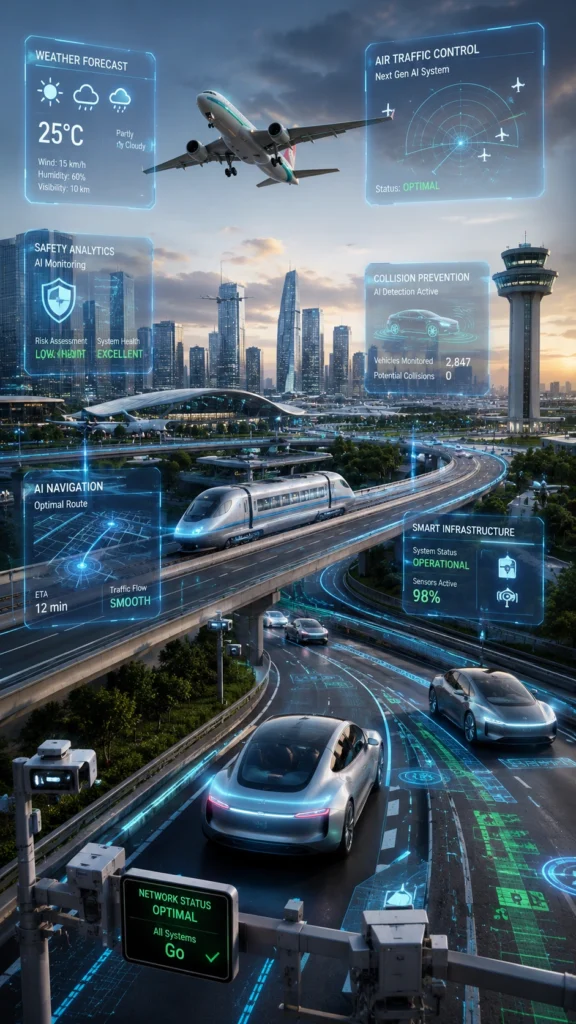
We are on the edge of a new era in transportation safety. The future of transportation is changing fast, with new tech making travel safer. These new tools aim to reduce risks in both road and air travel.
The Potential of Autonomous Vehicles
Self-driving cars are a big change. They aim to cut down on accidents by removing human error. Distraction, fatigue, and impaired judgment will no longer be issues.
These cars use advanced sensors and data to move safely. As they get better, they’ll make our roads safer. This is a big step forward in how we move around.
Next-Generation Air Traffic Control Systems
In the skies, we’re working on better air traffic control. New systems will make flying safer and more efficient. They’ll track planes better and talk to them more clearly.
Strong aviation regulatory oversight makes sure these systems are safe. They’ll help planes fly better routes and avoid traffic. This will make flying safer for everyone. Here’s how these changes will impact safety:
| Technology Type | Primary Benefit | Safety Impact |
|---|---|---|
| Autonomous Sensors | Human Error Reduction | High |
| Digital ATC | Flight Path Precision | Very High |
| Predictive Analytics | Maintenance Forecasting | Moderate |
Innovation will keep making travel safer. As these techs become part of our lives, we’ll get closer to zero-accident travel. We’re moving towards a world where tech protects us all.
Conclusion
Choosing the right way to travel is about finding a balance. It’s about comfort and what the stats say. Every trip is different, but knowing what to do keeps you safe.
Using smart travel tips can make busy places like airports or train stations easier. These tips help you handle stressful situations better. They keep you safe, no matter where you’re going.
New tech and smarter roads are making travel safer for the future. Companies like Tesla and Boeing are leading the way in safety. By staying up-to-date on these advancements, you help make travel safer for everyone.
Plan your next trip carefully and stay calm. Use what you’ve learned to make smart choices. This way, you can travel the world with confidence and safety.
FAQ
Which mode of transportation is statistically the safest for long-distance travel in the United States?
Commercial aviation is the safest way to travel long distances. Flying with major carriers like Delta Air Lines or Southwest Airlines is much safer than driving. This is because of strict FAA rules and advanced aircraft technology.
Why is driving a personal vehicle often considered more “risky” than taking a train or a bus?
Personal vehicles are more prone to human mistakes like distracted driving. Unlike trains or buses, they lack strict safety rules. Also, trains run on dedicated tracks, reducing the risk of accidents.
How do commercial airlines ensure their planes are safe for every flight?
Airlines use modern maintenance, intense pilot training, and advanced air traffic control. They follow strict FAA rules and use technology to keep planes safe even if something fails.
Is intercity bus travel safe, and what should I look for in a carrier?
Yes, bus travel is safe with companies like Greyhound or Megabus. They follow strict safety rules and use GPS and electronic logging for drivers. Look for buses with modern features and safety equipment.
What safety features should I look for in a new car to reduce my risk on the road?
Look for cars with Advanced Driver Assistance Systems (ADAS). Features like automatic emergency braking and lane-departure warnings can prevent accidents. The NHTSA updates its ratings to help you choose the safest cars.
How does the design of roads and bridges impact my daily travel safety?
Good road design and maintenance are key to safety. Clear signs and guardrails prevent accidents. Regular maintenance of bridges and tunnels keeps them safe for traffic.
What are the best ways to stay safe when using urban transit systems like the subway?
Stay safe in the subway by following safety rules and being aware of your surroundings. Use surveillance and transit police to feel secure. Always stay behind the platform edge markings.
How can I prepare for travel safety when severe weather is in the forecast?
Check the weather before traveling and use apps to stay updated. If driving, make sure your car is ready for the weather. If flying or taking a train, stay in touch with your carrier for updates.
What future innovations are expected to make transportation even safer?
Autonomous vehicles and Next-Generation Air Traffic Control Systems will make travel safer. These innovations aim to reduce accidents caused by human error and improve flight safety.
